Spiny Oak-slug Caterpillar Identification Guide
Spot this flattened, slug-shaped caterpillar by its paired rows of colorful spiny tubercles and gliding, legless-looking movement.
Read the full Spiny Oak-slug Caterpillar encyclopedia entry →Key Visual Features
The spiny oak-slug caterpillar belongs to the slug caterpillar family (Limacodidae), a group known for compact, flattened bodies that glide across leaves rather than crawl like typical caterpillars.
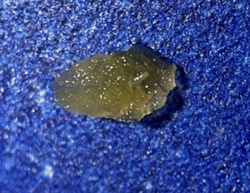
- Body shape: Oval, flattened, and slug-like, with the head tucked underneath and not usually visible from above.
- Color: Highly variable — green, yellow, orange, or brown, often with a paler saddle-like patch across the back.
- Spiny tubercles: Paired clusters of short, branching spines (scoli) project from the edges of the body in rows, usually tipped in a darker color such as black or red.
- Size: Small, generally under an inch (about 1.5-2 cm) at maturity.
- Movement: Prolegs are reduced and hidden, so the caterpillar appears to glide smoothly along the leaf surface.
Where and When You'll See It
Despite the name, spiny oak-slug caterpillars feed on a wide range of hardwood trees and shrubs in addition to oak, including maple, hickory, chestnut, and cherry. They are most commonly found on the undersides of leaves in late summer through early fall across much of the eastern United States.
Similar-Looking Caterpillars
- Saddleback caterpillar: Also a slug caterpillar, but has a distinctive solid green "saddle" patch outlined in brown/purple on a dark body, making it easier to distinguish.
- Stinging rose caterpillar: Has longitudinal stripes of orange and purple rather than the mottled saddle pattern of the spiny oak-slug.
- Hag moth caterpillar (monkey slug): Has long, curling, hair-fringed lobes rather than short branching spines, giving it a completely different silhouette.
- Other Euclea species: Very similar in general shape; fine differences in spine color and body pattern can be hard to distinguish without close inspection.
Quick ID Checklist
- Flattened, oval, slug-like body under 2 cm long
- Paired rows of short, branching spiny tubercles along the body edge
- Head hidden beneath the body, not visible from above
- Variable color (green, yellow, orange, or brown) often with a paler saddle patch
- Found gliding on the undersides of hardwood leaves in late summer/fall
Frequently asked questions
How do I tell a spiny oak-slug caterpillar from a saddleback caterpillar?
The saddleback has one bold, solid green saddle-shaped patch outlined in brown, while the spiny oak-slug has a more mottled, variable pattern without that distinct saddle shape.
Why does this caterpillar look like it has no legs?
Slug caterpillars have greatly reduced prolegs tucked under a flattened body, so they move with a smooth, gliding motion rather than the typical crawling gait of other caterpillars.
What tree is most likely to have spiny oak-slug caterpillars?
Oak is the namesake host, but they are regularly found on many other hardwoods including maple, cherry, and hickory.
What does the adult moth look like?
It becomes a small, mottled brown moth with subtle wing patterning, quite different in appearance from the colorful larval stage.
Spiny Oak-slug Caterpillar identified by the community
Recent Spiny Oak-slug Caterpillar finds identified with Bug Identifier.