
Spiny Oak-slug Caterpillar
Euclea delphinii
A tiny, flattened slug-shaped caterpillar in shades of green, orange, or purple, bristling with clusters of branched spines that can deliver a sting if handled.
- Size
- About 0.6-0.8 in (1.5-2 cm) long
- Habitat
- Deciduous forests and woodland edges with oak and other hardwoods
- Danger
- Stings
Spotted a bug like this?
Identify any bug or insect from a photo, free.
Overview
The spiny oak-slug caterpillar is a small but visually striking member of the slug caterpillar family, known for its flattened, sluglike body shape and dense clusters of stinging spines. Its coloration is highly variable, and populations can show green, orange, purple, or two-toned individuals, sometimes even on the same host tree.
Despite its small size, this caterpillar is a memorable find because of its unusual shape, moving with a smooth gliding motion rather than the typical crawling gait of most caterpillars, a trait shared by other members of the slug caterpillar family.
How to Identify
- Small, oval, and flattened body shape that looks more like a slug than a typical caterpillar
- Color is highly variable, including green, orange, yellow-green, or purple-brown forms
- Bears several pairs of branched, spiny projections called scoli along the body edges, each armed with fine stinging hairs
- Often has a darker saddle-like patch or stripe across the back in some color forms
- Head and true legs are hidden beneath the body and not visible from above
- Similar to other slug caterpillars such as the saddleback or stinging rose caterpillar, but generally smaller and lacking a distinct saddle marking
Habitat & Range
This species is found across much of the eastern United States, in deciduous forests, woodland edges, and shade trees, particularly oak but also many other hardwoods. Caterpillars are present from mid to late summer into early fall, typically found on the undersides of leaves.
Behavior & Diet
The caterpillar feeds on the leaves of oak and a variety of other deciduous trees, moving with a smooth, gliding crawl characteristic of slug caterpillars due to its reduced, hidden prolegs. Its clusters of branched spines carry hairs that can sting in defense if the caterpillar is touched. It plays a role in the food web as prey for birds and predatory insects that are adapted to handle its spiny defenses.
Life Cycle
Females lay flat, translucent eggs in small groups on the undersides of host leaves. Larvae hatch and develop through several instars over the summer, growing from tiny green nymphs into their full color variation. The mature caterpillar spins a small, hard, brown oval cocoon, often attached to bark or leaf litter, in which it overwinters. It emerges as an adult moth the following spring or summer, typically producing one generation per year in most of its range.
Frequently asked questions
Why is the spiny oak-slug caterpillar shaped like a slug?
It has greatly reduced prolegs hidden beneath a flattened body, which lets it glide smoothly across leaves rather than crawl like typical caterpillars.
What colors can this caterpillar be?
It varies widely, appearing in green, orange, yellow-green, or purple-brown forms, sometimes with a darker saddle pattern.
Can this caterpillar sting?
Yes, its branched spines carry fine hairs that can sting in defense if the caterpillar is touched.
What does it eat?
It feeds on the leaves of oak and many other deciduous trees.
Spiny Oak-slug Caterpillar guides
In-depth guides for identifying, understanding, and living alongside Spiny Oak-slug Caterpillar.
Spiny Oak-slug Caterpillar identified by the community
Real finds identified with Bug Identifier.
Other bugs you may enjoy
Bagworm
Trees and shrubs, especially conifers and ornamental landscaping
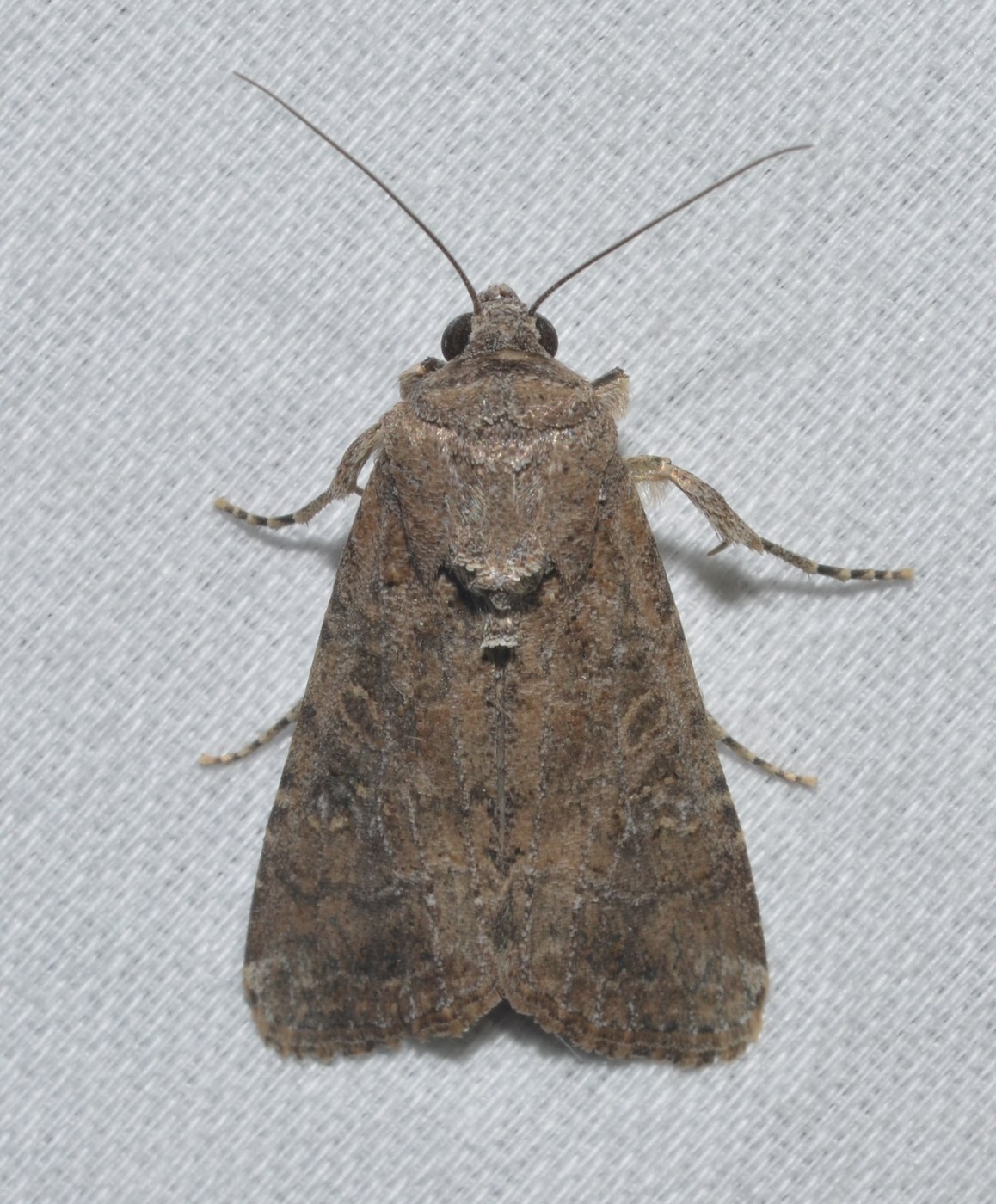
Armyworm
grasslands, pastures, and cereal crop fields
Zebra Longwing Caterpillar
Tropical and subtropical hammocks with passionflower vines
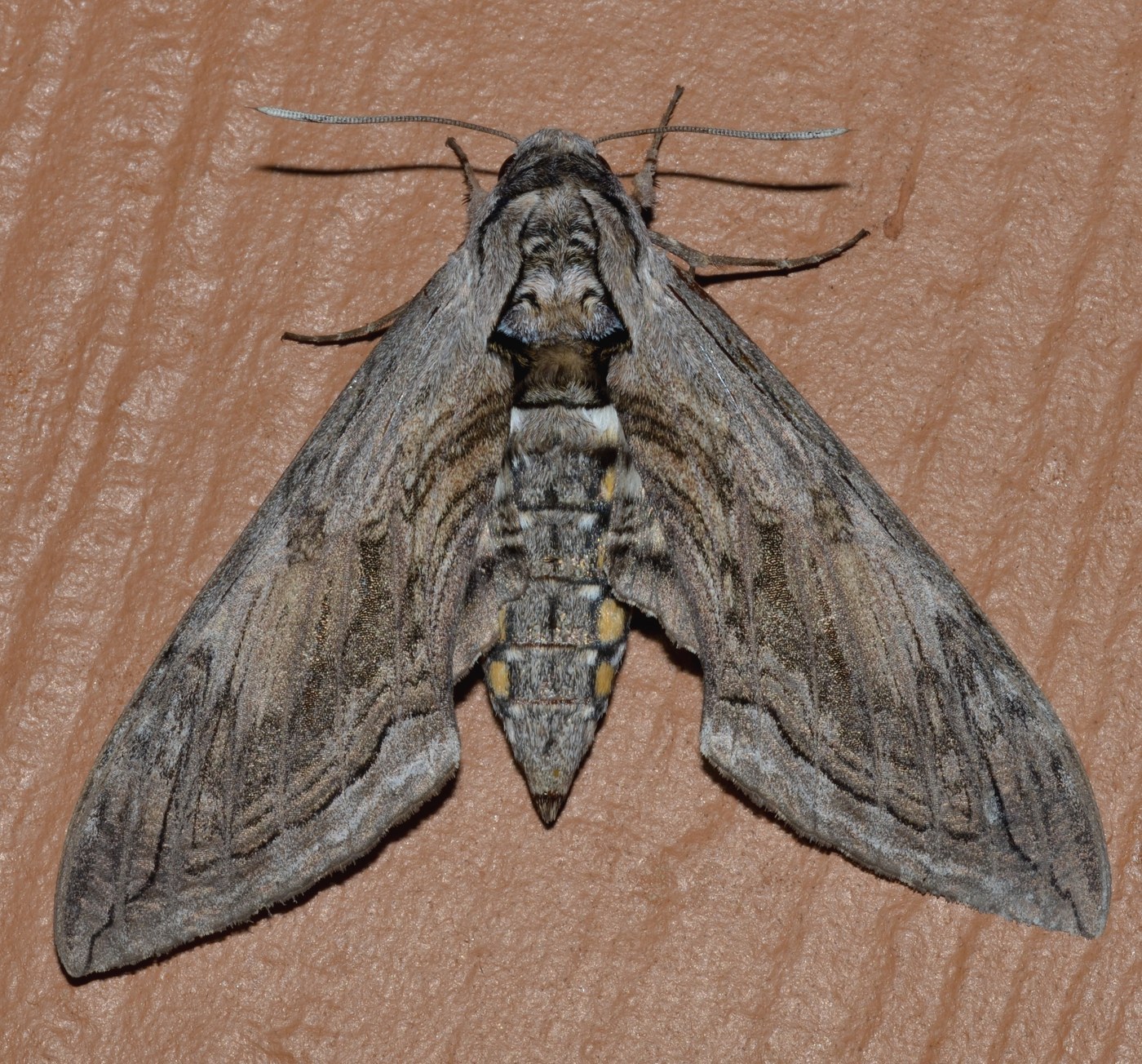
Tomato Hornworm
Gardens and fields with tomato, pepper, and other nightshade plants
Tent Caterpillar
Deciduous trees such as cherry, apple, and other rosaceous species
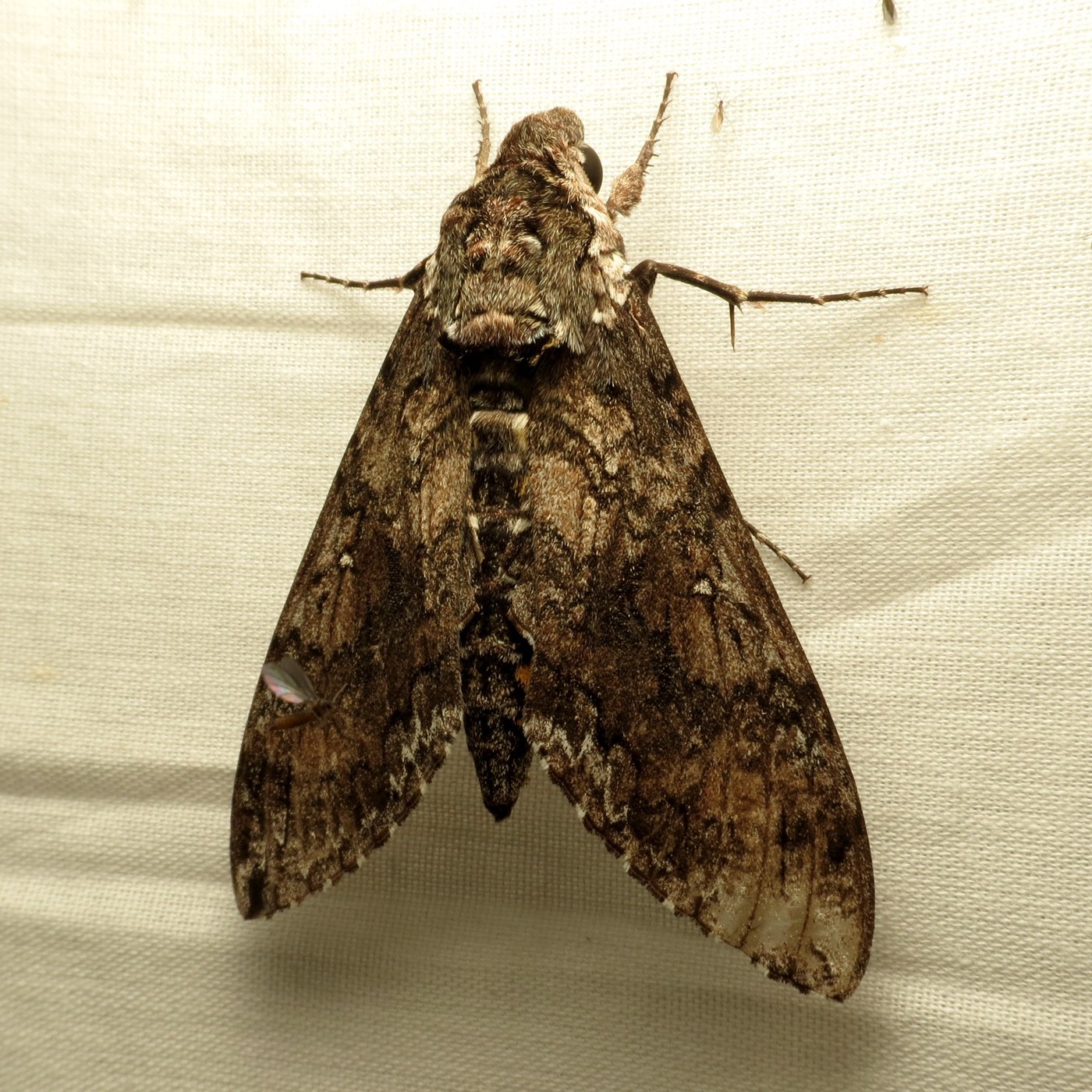
Tobacco Hornworm
tobacco, tomato, and pepper plants in gardens and fields
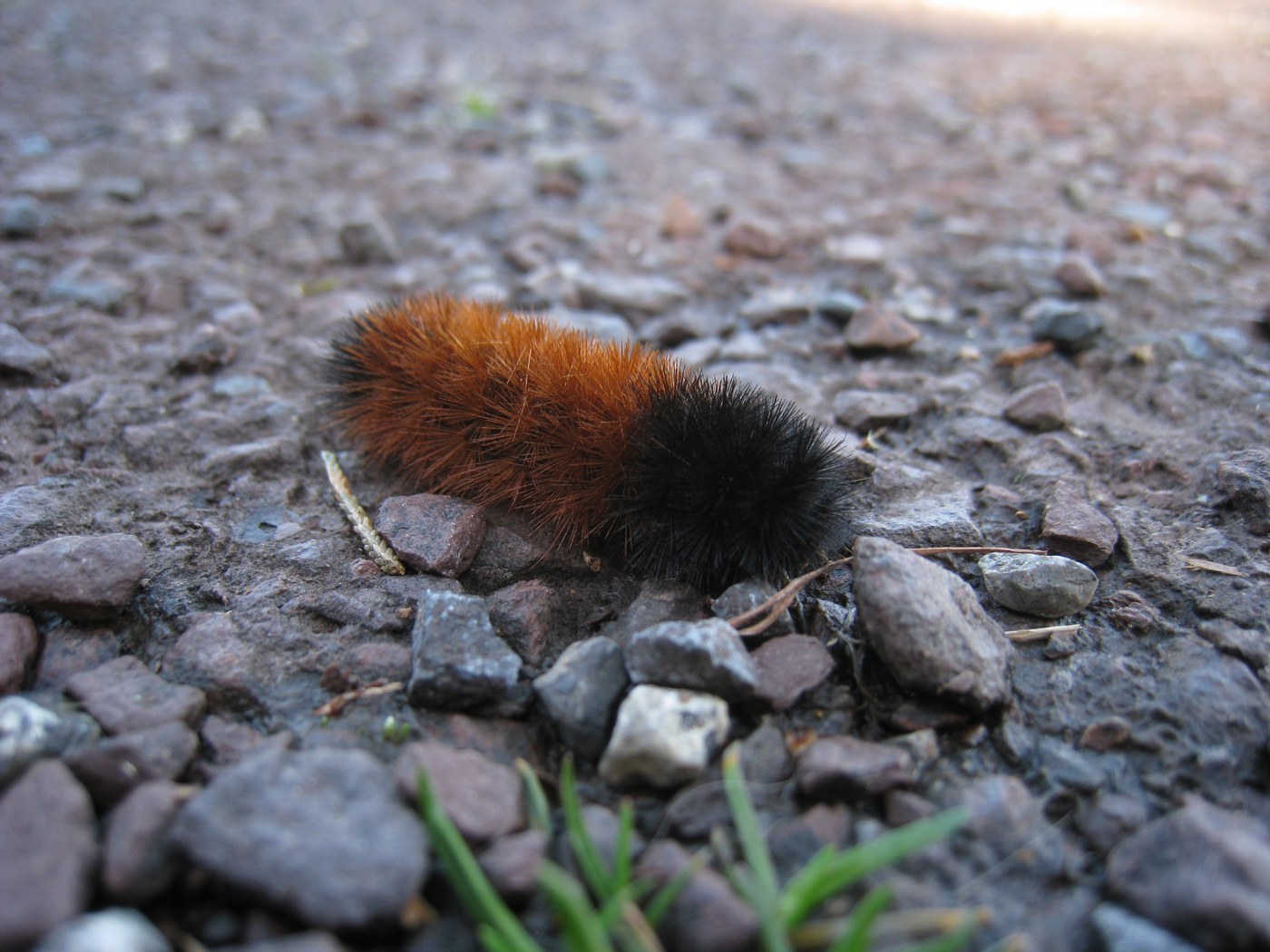
Woolly Bear Caterpillar
Gardens, meadows, roadsides, and woodland edges across North America
Sod Webworm
Turfgrass lawns, golf courses, pastures
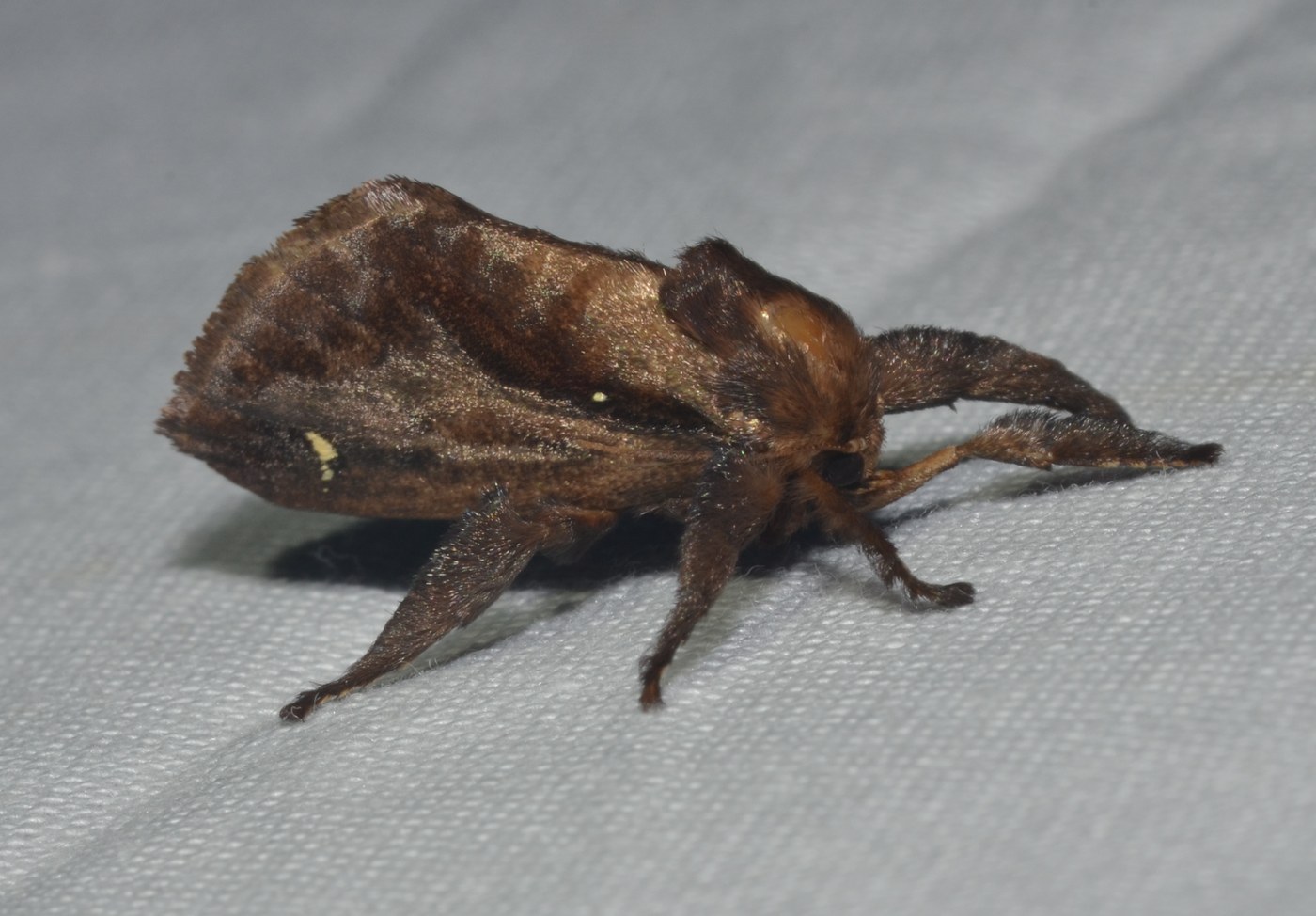
Saddleback Caterpillar
Deciduous trees and shrubs in eastern and southern North America
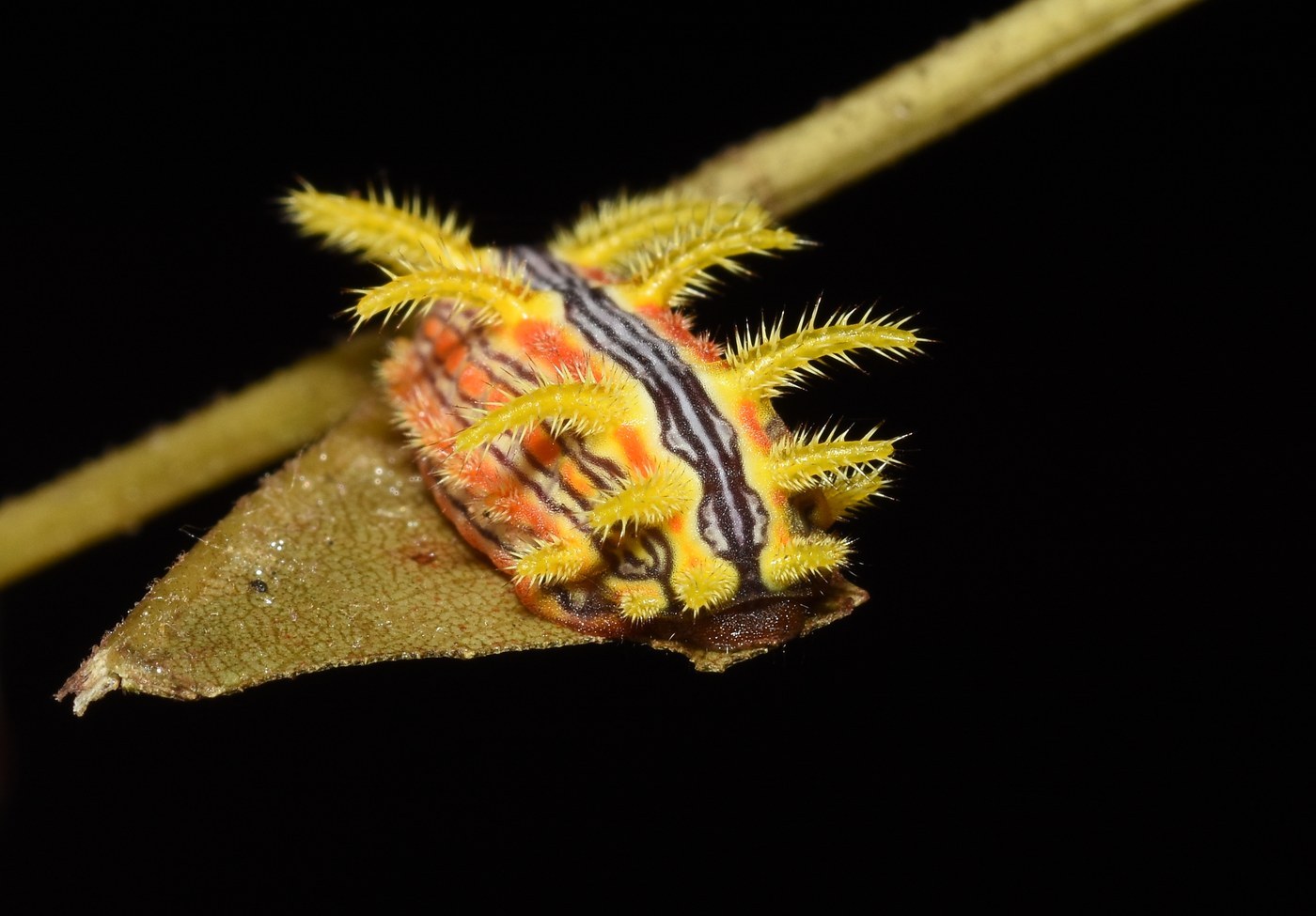
Stinging Rose Caterpillar
Gardens and woodlands with rose, dogwood, or oak
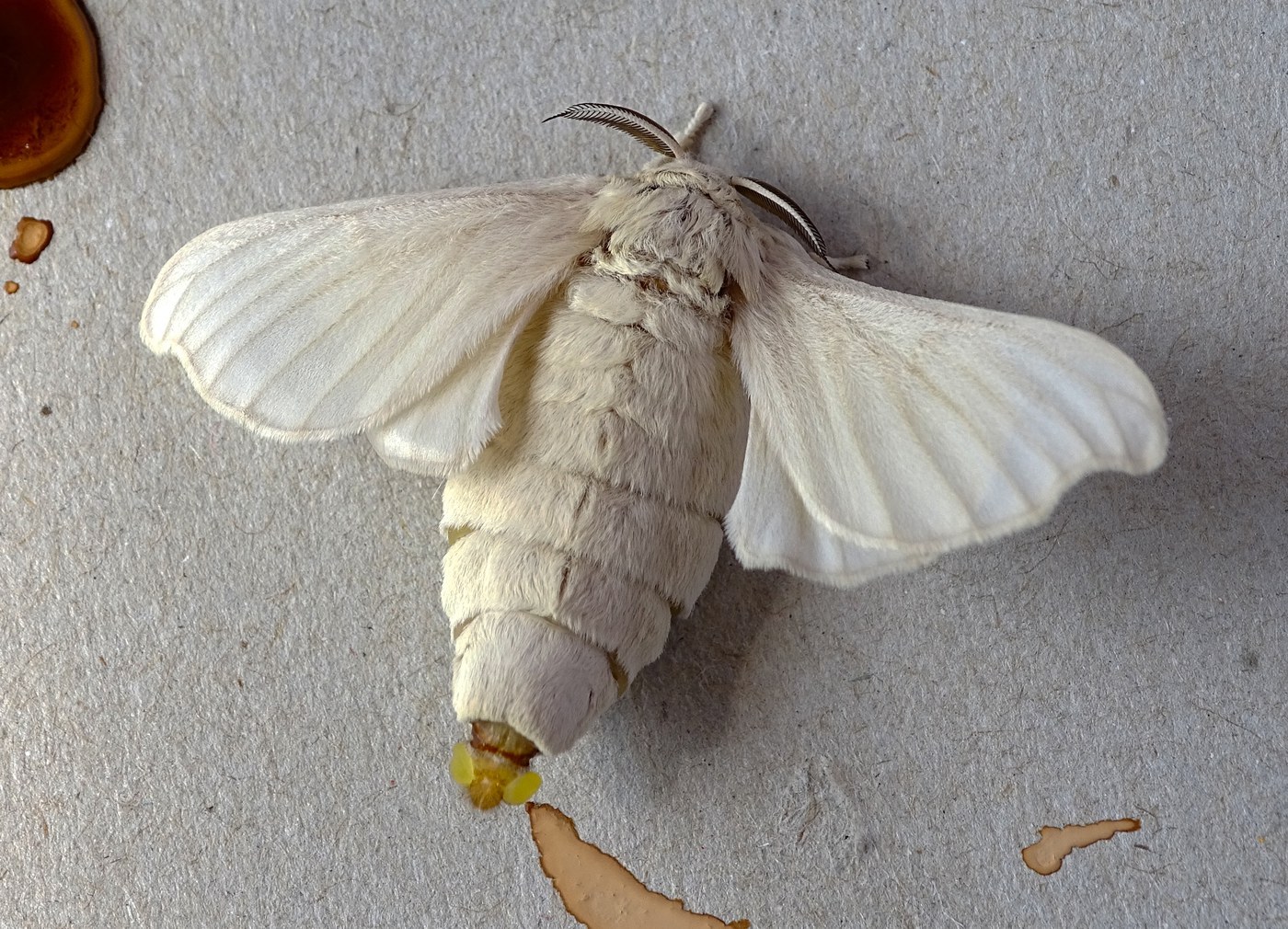
Silkworm
Reared exclusively in captivity on mulberry leaves; no independent wild population
Spicebush Swallowtail Caterpillar
Woodlands and thickets with spicebush or sassafras