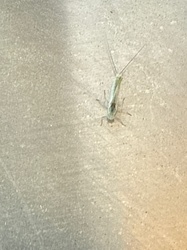
Stonefly Nymph Identification Guide
Identify a stonefly nymph by its flattened body, two tail filaments, and double-clawed legs adapted for clinging in fast water.
Read the full Stonefly Nymph encyclopedia entry →Key Visual Features
Stonefly nymphs are aquatic insects closely tied to clean, well-oxygenated streams, with a body built to resist current.
- Size: Ranges from about 0.3 to 1.5 inches (8-38 mm) depending on species and age.
- Body shape: Flattened, somewhat broad body, an adaptation for clinging to the underside of rocks in fast-flowing water without being swept away.
- Coloring: Brown, tan, or mottled gray, blending well with streambed rocks.
- Tail filaments: Two long, thin tail filaments extend from the abdomen tip — a key distinguishing feature from the three tails typical of most mayfly nymphs.
- Legs: Six legs, each ending in two claws (versus a single claw on mayfly nymph legs), providing a strong grip on rock surfaces.
- Wing pads: Older nymphs show developing wing pads on the back, lying flat and often visibly separate/parallel rather than overlapping.
- Gills: When present, gills are usually tufted and located near the base of the legs or under the thorax rather than in rows along the abdomen sides, unlike mayfly nymphs.
Where and When You'll See It
Stonefly nymphs are found clinging to the underside of rocks and cobbles in cold, fast-flowing, highly oxygenated streams and rivers, and are considered a strong indicator of good water quality since they are sensitive to pollution and low oxygen. They can be found year-round in permanent streams, with many species requiring a year or more to fully develop before emerging as winged adults, often in late winter or early spring for some species. Nymphs are typically discovered by carefully turning over submerged rocks in riffles and fast-current areas.
Similar-Looking Bugs
- Mayfly nymph: Usually has three thin tail filaments and a single claw per leg, plus rows of gills along the abdomen sides, versus a stonefly's two tails and double claws.
- Dragonfly nymph: Stockier body with no tail filaments at all and an extendable hinged jaw not present in stoneflies.
- Damselfly nymph: Has three flattened, leaf-shaped tail gills rather than the two simple thread-like tails of a stonefly nymph.
Quick ID Checklist
- Flattened body suited for clinging under rocks in current
- Two tail filaments (versus three in most mayfly nymphs)
- Two claws on each leg tip
- Tufted gills near the legs or thorax rather than along the abdomen
- Found under rocks in cold, fast-flowing, well-oxygenated streams
Frequently asked questions
How many tail filaments does a stonefly nymph have?
Stonefly nymphs have two tail filaments, which helps distinguish them from most mayfly nymphs that have three.
What is a reliable way to tell a stonefly nymph from a mayfly nymph up close?
Check the leg tips: stonefly nymphs have two claws per leg, while mayfly nymphs typically have only one claw per leg.
Why are stonefly nymphs considered an indicator of water quality?
They are sensitive to pollution and require high oxygen levels, so their presence often signals a clean, well-oxygenated stream.
Where should I look to find a stonefly nymph?
Turn over submerged rocks in fast-flowing riffle areas of cold streams and rivers, where their flattened body helps them cling in the current.
Stonefly Nymph identified by the community
Recent Stonefly Nymph finds identified with Bug Identifier.