
Stonefly Nymph
Plecoptera spp.
A flattened, armored aquatic nymph that clings tightly to rocks in swift, cold streams, serving as one of the most reliable signs of pristine water quality.
- Size
- 10-35 mm
- Habitat
- Cold, fast-flowing, well-oxygenated streams
- Danger
- Harmless
Spotted a bug like this?
Identify any bug or insect from a photo, free.
Overview
Stonefly nymphs are the aquatic immature stage of insects in the order Plecoptera, a group closely tied to cold, clean, fast-flowing freshwater habitats. Alongside mayflies and caddisflies, stoneflies are among the most pollution-sensitive aquatic insects, and biologists routinely use the presence and diversity of stonefly nymphs as a key indicator of excellent water quality in streams and rivers.
Nymphs have a flattened body shape well suited to clinging to the undersides of rocks in swift currents, where they resist being swept away by the flow. Most species have two long, thin tail filaments at the rear of the abdomen, and many have tufted gills located near the base of the legs or on the thorax rather than along the abdomen, a key feature separating them from mayfly nymphs.
Stonefly nymphal development is typically slow, often taking one to three years to complete depending on species and water temperature, making the nymphal stage by far the longest part of the life cycle, while the winged adult stage lasts only a few weeks.
How to Identify
- Nymphs are 10-35 mm long, with a flattened, elongated body adapted for clinging to rocks in fast current.
- Two long, thin tail filaments (cerci) extend from the rear of the abdomen, distinguishing them from most mayfly nymphs, which usually have three.
- Gills, when present, are typically tufted and located near the legs or on the thorax rather than along the abdomen.
- Coloring is generally dark brown, gray, or mottled to match stream substrate.
- Wing pads become increasingly visible on the thorax as the nymph approaches its final instars.
- Lookalikes include mayfly nymphs, but stonefly nymphs lack abdominal gill plates and have only two tail filaments in most species.
Habitat & Range
Stonefly nymphs are found worldwide in cold, well-oxygenated, fast-flowing streams and rivers, typically clinging to the undersides of rocks and cobble in riffle areas. They are far less tolerant of pollution, warm temperatures, or low oxygen than many other aquatic insects, making them scarce or absent in degraded waterways. Diversity is highest in mountainous or forested headwater streams with clean, cold water year-round.
Behavior & Diet
Feeding habits vary by species: many stonefly nymphs graze on algae and decaying leaf material, while others are active predators of smaller aquatic invertebrates such as mayfly and midge larvae. Their flattened bodies and strong legs allow them to hold position against strong currents while feeding among rocks and gravel. As both predator and prey, stonefly nymphs are an important part of stream food webs, providing a food source for fish such as trout as well as for other invertebrate predators, while adults emerging from the water are eaten by birds and other terrestrial predators.
Life Cycle
Eggs are laid directly into flowing water, often released by the female in a mass while flying low over the stream surface. Nymphs hatch and undergo gradual metamorphosis, molting many times over a period that can range from about one to three years depending on species and water temperature, making them slower to develop than most mayflies and caddisflies. When ready to emerge, mature nymphs crawl out of the water onto rocks, logs, or streamside vegetation, where the skin splits and the winged adult emerges. Adults are short-lived, typically surviving only a few weeks to mate and lay eggs, with emergence often concentrated in specific seasons depending on species and region.
Frequently asked questions
Why are stonefly nymphs considered a sign of clean water?
They are highly sensitive to pollution and low oxygen levels, so their presence, especially in diverse numbers, typically indicates cold, well-oxygenated, unpolluted streams.
How can you tell a stonefly nymph from a mayfly nymph?
Stonefly nymphs usually have two tail filaments and gills near the legs, while mayfly nymphs typically have three tails and gills along the sides of the abdomen.
What do stonefly nymphs eat?
Depending on species, they graze on algae and decaying plant material or actively prey on smaller aquatic invertebrates.
How long does the nymph stage last?
Development is relatively slow, often taking one to three years underwater before the nymph emerges as a short-lived winged adult.
Stonefly Nymph guides
In-depth guides for identifying, understanding, and living alongside Stonefly Nymph.
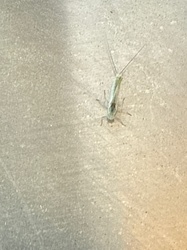
Stonefly Nymph identified by the community
Real finds identified with Bug Identifier.
Other bugs you may enjoy
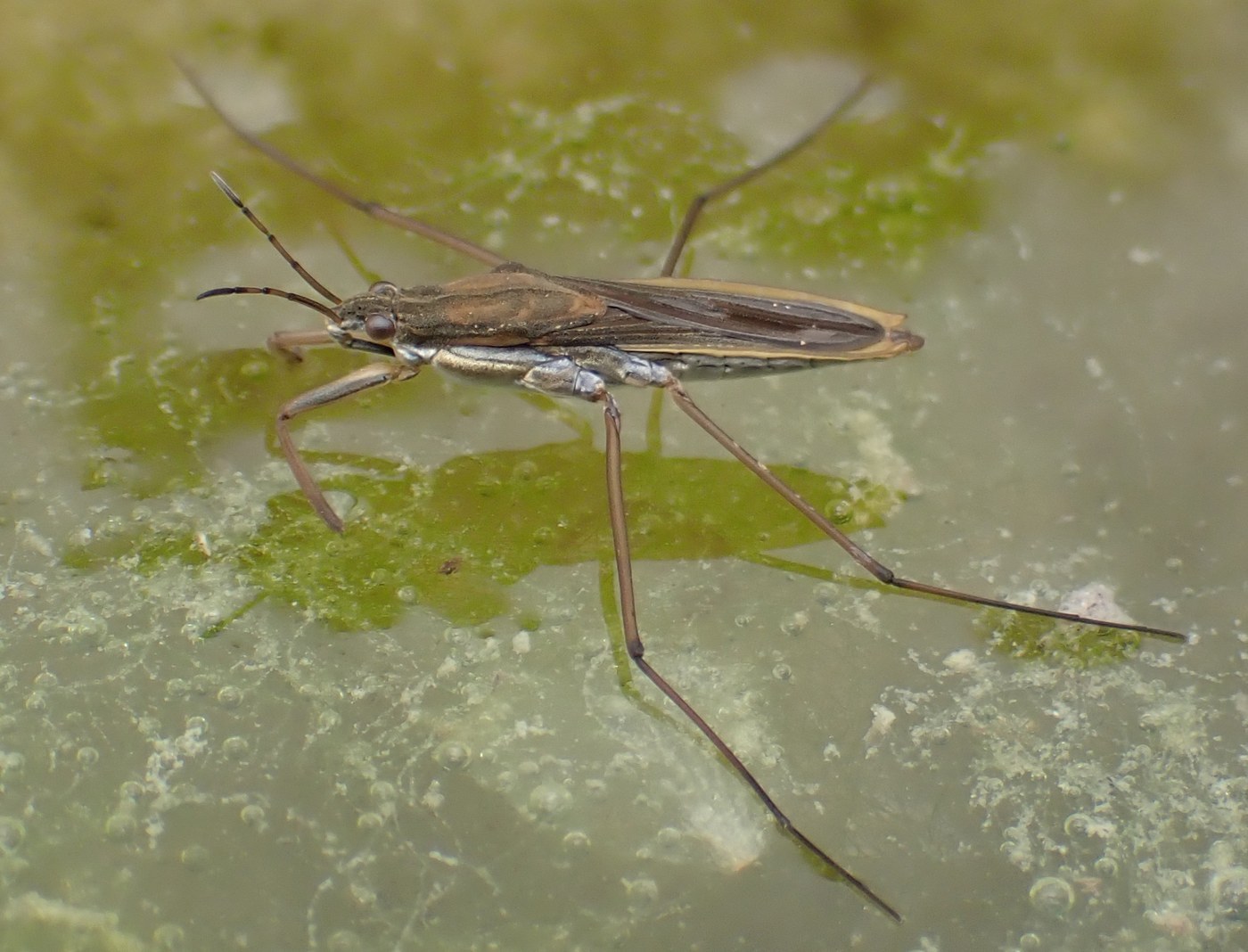
Water Strider
Still or slow-moving fresh water: ponds, lake edges, slow streams, puddles
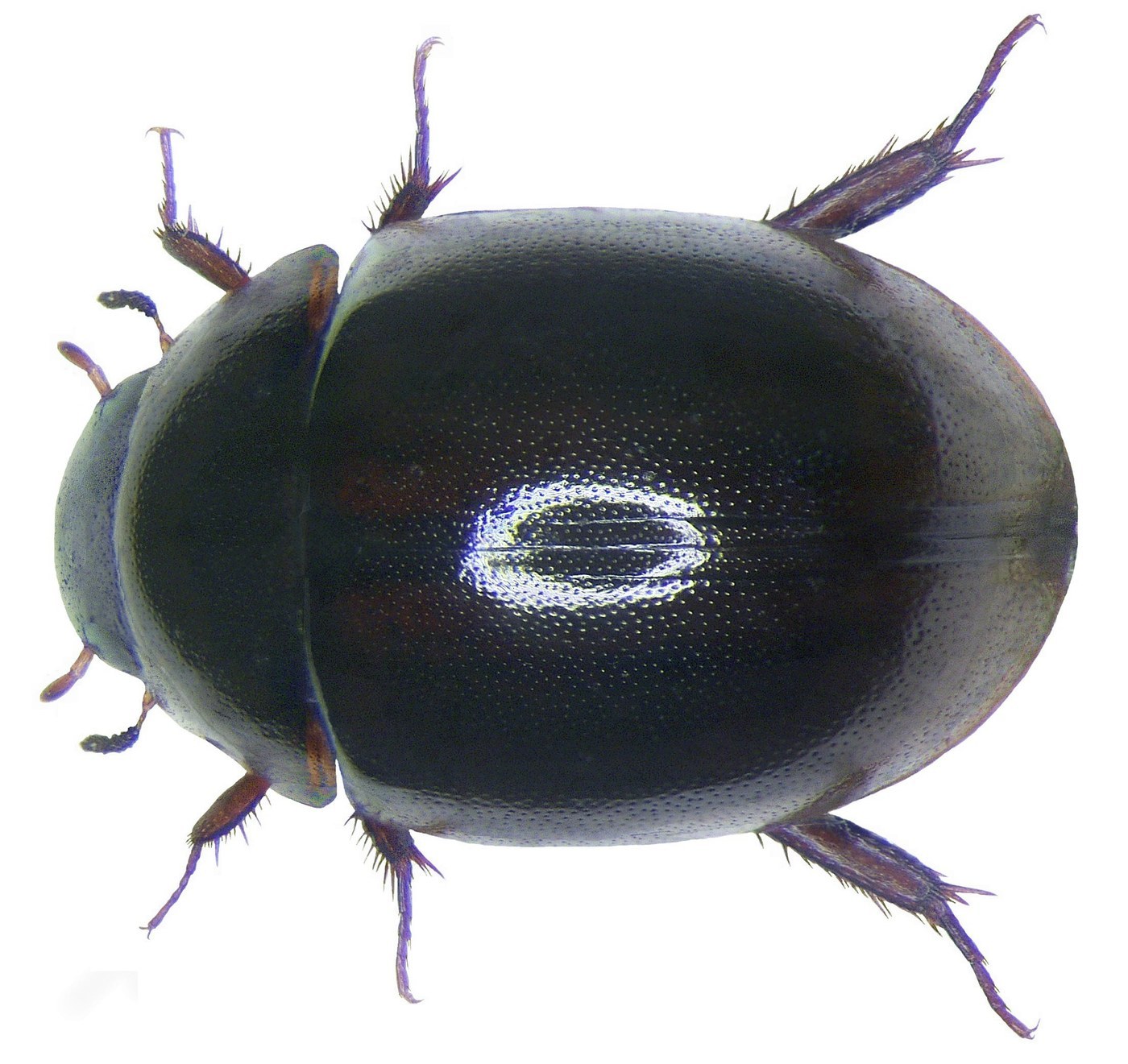
Water Beetle
Ponds, slow streams, marshes, still fresh water
Water Penny Beetle
Fast, rocky, well-oxygenated streams
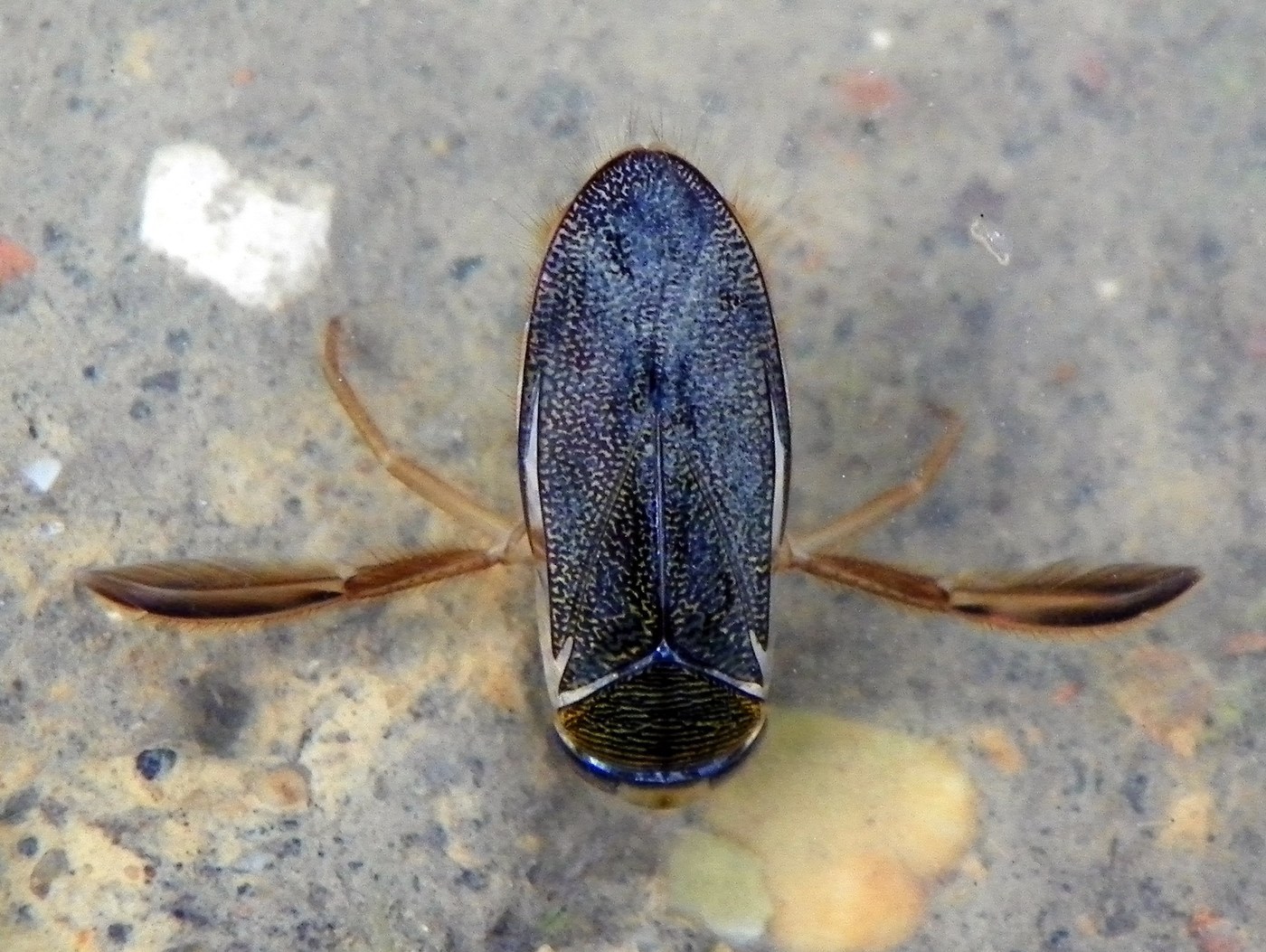
Water Boatman
Ponds, lakes, slow streams, freshwater with vegetation
Water Scorpion
Still or slow-moving water with submerged vegetation
Stonefly
Cold, clean, well-oxygenated streams and rivers
Toad Bug
Muddy or sandy shorelines of ponds, streams, and rivers
Soldier Fly Larva
Ponds, marshes, and slow streams with organic sediment
Mosquito Larva
Standing water in ponds, ditches, containers, and puddles
Whirligig Beetle
Surface of ponds, lakes, and slow streams
Rat-Tailed Maggot
Stagnant, oxygen-poor water such as manure pools, drains, and compost
Predaceous Diving Beetle
Ponds, lakes, and slow-moving freshwater