Tick Identification Guide
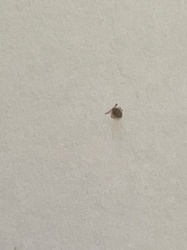
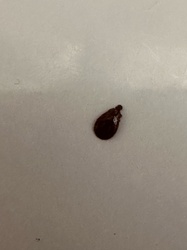
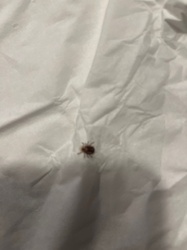
Learn to recognize a tick by its flat, oval body, visible mouthparts, and lack of a distinct head segment.
Read the full Tick encyclopedia entry →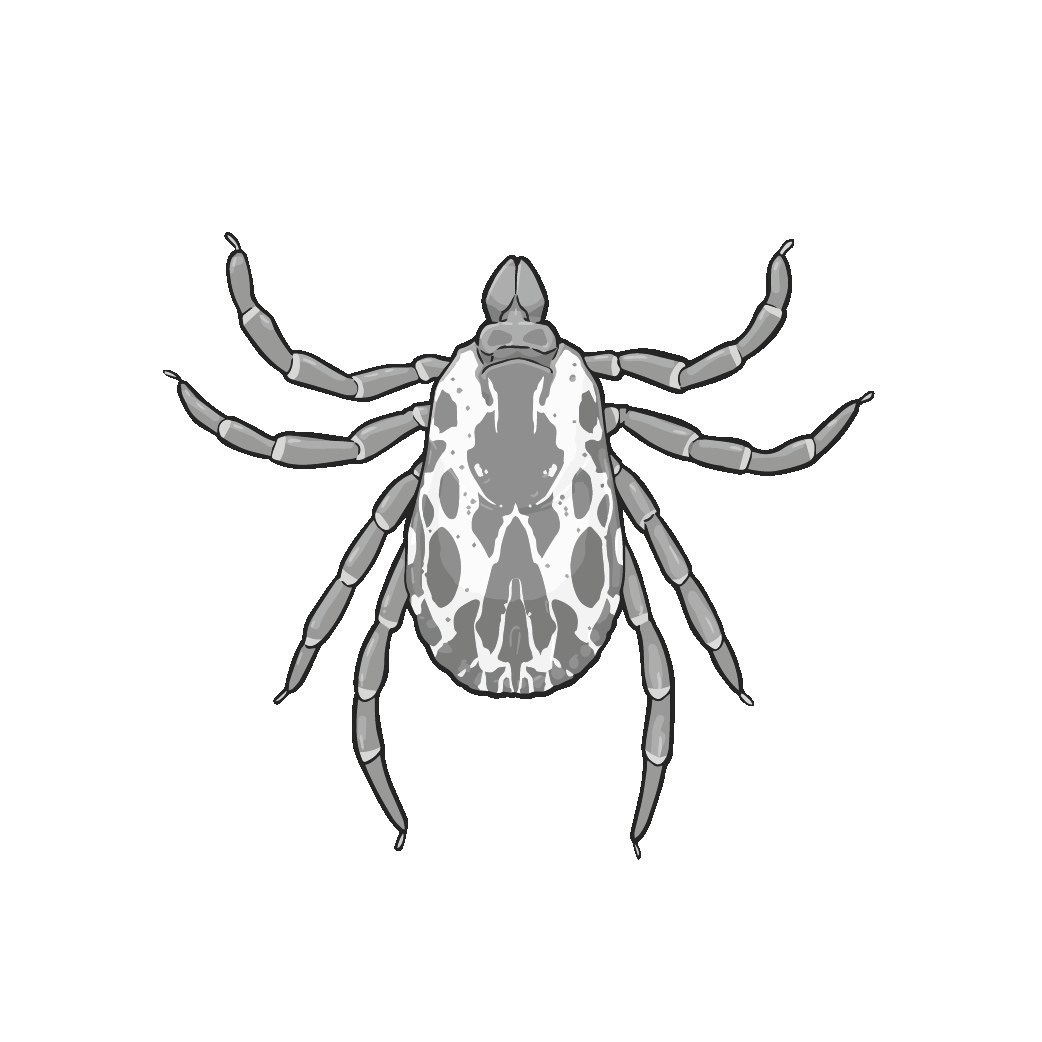
Key Visual Features
Ticks are small arachnids with a body plan that's quite distinct once you know what to look for.
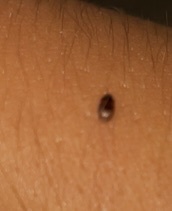
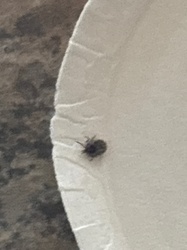
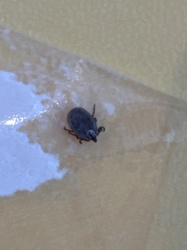
- Body shape: Flat and oval before feeding, becoming rounded and swollen after a blood meal; the body appears as one solid piece with no visible waist or separate head.
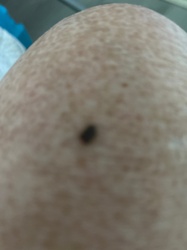
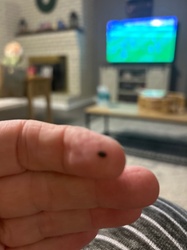
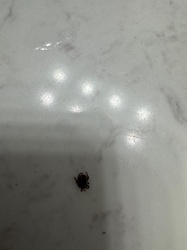
- Size: Unfed ticks range from about the size of a poppy seed (larvae) to a sesame seed or small apple seed (nymphs and adults), growing much larger once engorged.
- Legs: Eight legs in nymph and adult stages (six in the larval stage), positioned toward the front of the body.
- Mouthparts: A visible, projecting mouthpart structure (capitulum) at the front, used to grip and attach to a host—this is a key feature separating ticks from similarly shaped insects.
- Color: Shades of brown, reddish-brown, or grayish, sometimes with lighter markings on the back depending on species.
Where and When You'll See Them
Ticks wait for hosts by "questing"—climbing to the tip of grass blades, low shrubs, or leaf litter and holding their front legs outstretched. Look for them in tall grass, brushy field edges, wooded trails, and areas with abundant leaf litter. Activity generally peaks from spring through fall, though some species remain active in cooler weather. They don't jump or fly; they simply grab on when brushed against.
Similar-Looking Bugs
- Deer ticks: A specific, smaller, darker-legged tick species—see the separate deer tick entry for details on telling them apart from other tick species.
- Mites: Related arachnids but typically far smaller and often not visible without magnification.
- Small beetles: Some rounded beetles can resemble an engorged tick at a glance, but beetles have wing covers, distinct head and thorax segments, and antennae, which ticks lack.
Quick ID Checklist
- Flat, oval, one-piece body with no visible waist
- Eight legs clustered toward the front (adults/nymphs)
- Visible mouthpart projecting from the front of the body
- Found clinging to grass tips, leaf litter, or low brush
- Body swells and rounds out after feeding
Frequently asked questions
How do I know if what I'm looking at is a tick and not a small beetle?
Check for a one-piece, waistless body with eight legs and a visible mouthpart at the front; beetles have a distinct head, hardened wing covers, and antennae, none of which ticks have.
Do ticks jump onto hosts?
No, ticks don't jump or fly—they climb onto vegetation and simply reach out with their front legs to grab onto a passing host.
Why does a tick's body change shape?
An unfed tick is flat and disc-like, but as it feeds it swells and rounds out, sometimes growing many times its original size.
Are all ticks the same size?
No, size varies by life stage and species, from larvae barely visible to the naked eye up to larger adult ticks the size of a small seed before feeding.
Tick identified by the community
Recent Tick finds identified with Bug Identifier.