
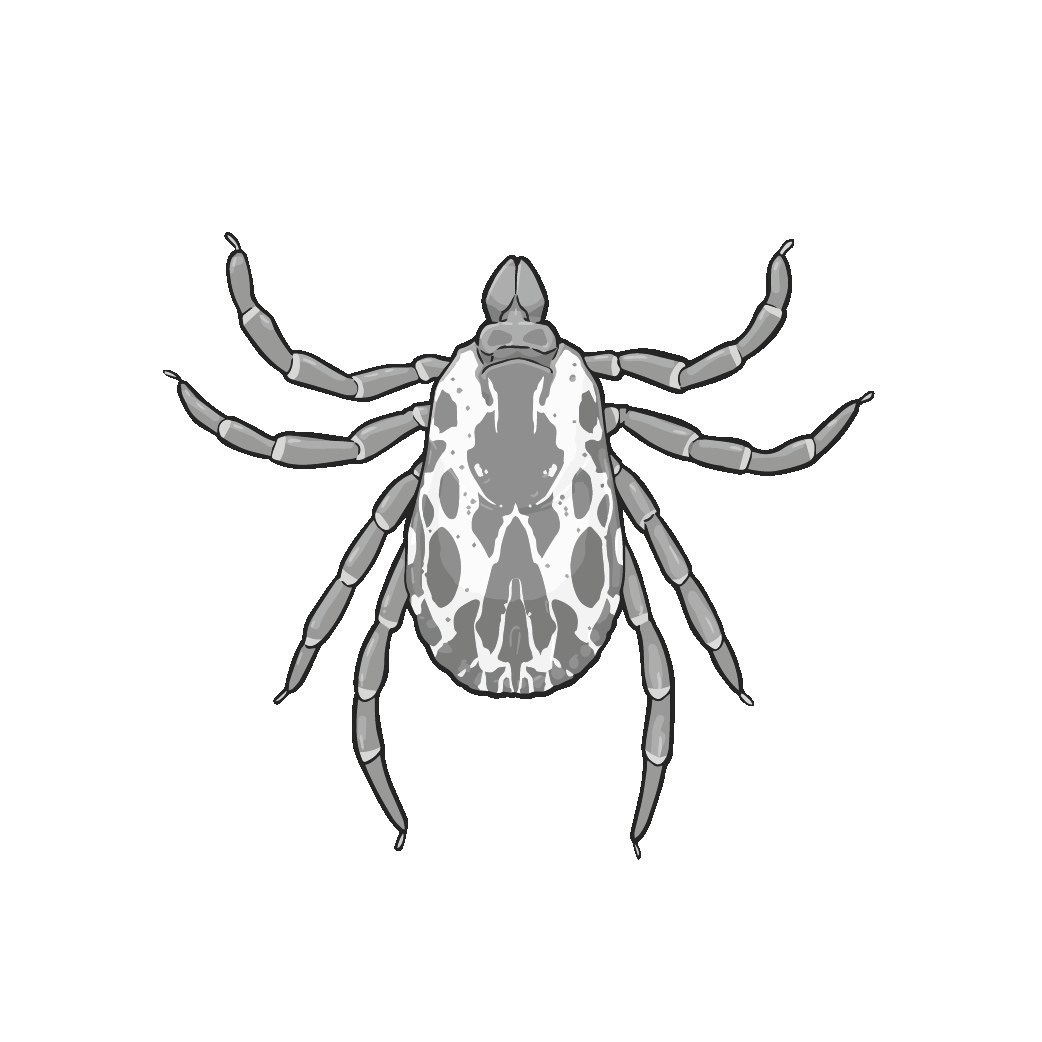
Tick
Dermacentor variabilis
A small, flattened, oval arachnid with a hard shield-like plate on its back that waits on vegetation and attaches to passing hosts to feed on blood, swelling considerably once fed.
- Size
- 3–5 mm unfed; up to 12 mm when engorged with a blood meal
- Habitat
- Tall grass, brush, woodland edges, and animal trails
- Danger
- Bites
Spotted a bug like this?
Identify any bug or insect from a photo, free.
Overview
Ticks are arachnids in the order Ixodida, related to spiders and mites, and are external parasites that feed on the blood of vertebrate hosts. The American dog tick, a widely encountered hard tick species, exemplifies the general body plan and biology shared across many common tick species: a flattened, oval, unsegmented body armored with a tough dorsal plate (scutum).
Ticks lack wings and cannot jump or fly; instead, they use a behavior called "questing," climbing to the tips of grass or low vegetation and extending their front legs to grasp onto a passing host. Their biology is entirely centered around periodic blood meals, which fuel each life stage's molt to the next.
As obligate blood-feeding parasites, ticks are a notable component of many terrestrial ecosystems, interacting with a wide range of mammal, bird, and reptile hosts throughout their multi-stage life cycle.
How to Identify
- Flattened, oval, unsegmented body, brownish to reddish-brown, with a hard dorsal shield (scutum) that may bear pale markings in some species.
- Eight legs in adults and nymphs (only six in the larval stage), lacking antennae or wings.
- Body dramatically expands and turns gray or bluish in color once engorged with a blood meal, sometimes many times its unfed size.
- Mouthparts are visible at the front of the body when viewed from above, adapted for piercing skin and attaching for extended feeding.
- Lookalikes: deer tick/black-legged tick (notably smaller and darker, with a uniformly dark, unmarked scutum) and other hard tick species; overall size, shield markings, and host association help narrow identification.
Habitat & Range
Ticks are found in a wide range of temperate and warmer climates worldwide, favoring tall grass, brushy vegetation, woodland edges, and trails frequented by potential hosts such as deer, rodents, and other mammals. Many species are most active from spring through fall, with activity peaks varying by region and species.
They typically remain low in vegetation, climbing blades of grass or shrubs to a height suited for contacting passing hosts, and seek humid microhabitats such as leaf litter to avoid drying out between active questing periods.
Behavior & Diet
Ticks are obligate blood feeders, relying on this diet at each active life stage to fuel growth and molting or, in adults, reproduction. They locate hosts primarily through questing behavior, sensing carbon dioxide, heat, and vibrations from a perched position on vegetation rather than actively pursuing prey.
Once attached, a tick can remain feeding on a host for an extended period, several days in many species, before detaching. They are generally slow-moving and do not jump or fly, relying entirely on host contact for movement between locations, and they play a role in many ecosystems as parasites of a broad range of vertebrate hosts.
Life Cycle
Female ticks lay large batches of eggs, often numbering in the thousands, in a sheltered location such as leaf litter. Eggs hatch into six-legged larvae, which seek a first blood meal, then molt into eight-legged nymphs that seek a second host and blood meal before molting into adults.
Adults seek a final host for a blood meal and mating before females lay eggs, completing the cycle. Depending on species and climate, the full life cycle from egg to adult can take from several months up to a few years, with development often occurring across multiple host encounters and seasons, and some species overwintering in an unfed stage between hosts.
Frequently asked questions
Are ticks insects?
No, ticks are arachnids, related to spiders and mites, and have eight legs as nymphs and adults rather than the six legs typical of insects.
How do ticks find a host if they can't jump or fly?
They use a behavior called questing, climbing to the tip of grass or vegetation and extending their front legs to latch onto a host brushing past.
Why do ticks look so different before and after feeding?
An unfed tick is small and flat, but after taking a blood meal its body expands considerably and changes color, becoming rounded and often grayish.
How is a general 'tick' different from a deer tick?
Deer ticks (black-legged ticks) are generally smaller with a uniformly dark, unmarked shield, while species like the American dog tick are larger with a patterned scutum.
Tick guides
In-depth guides for identifying, understanding, and living alongside Tick.
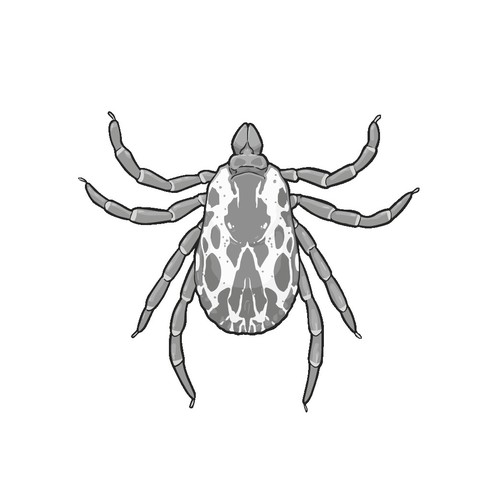
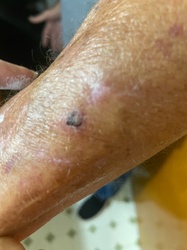
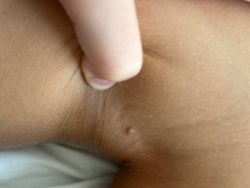
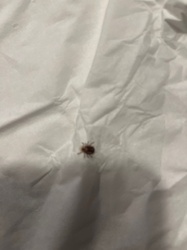
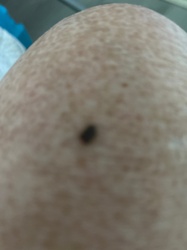
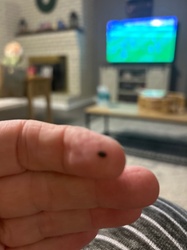
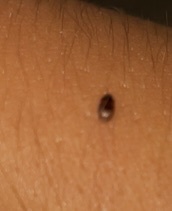
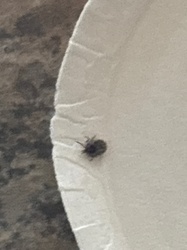
Tick identified by the community
Real finds identified with Bug Identifier.
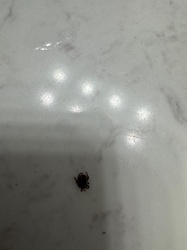
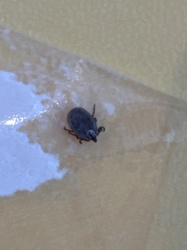
Other bugs you may enjoy
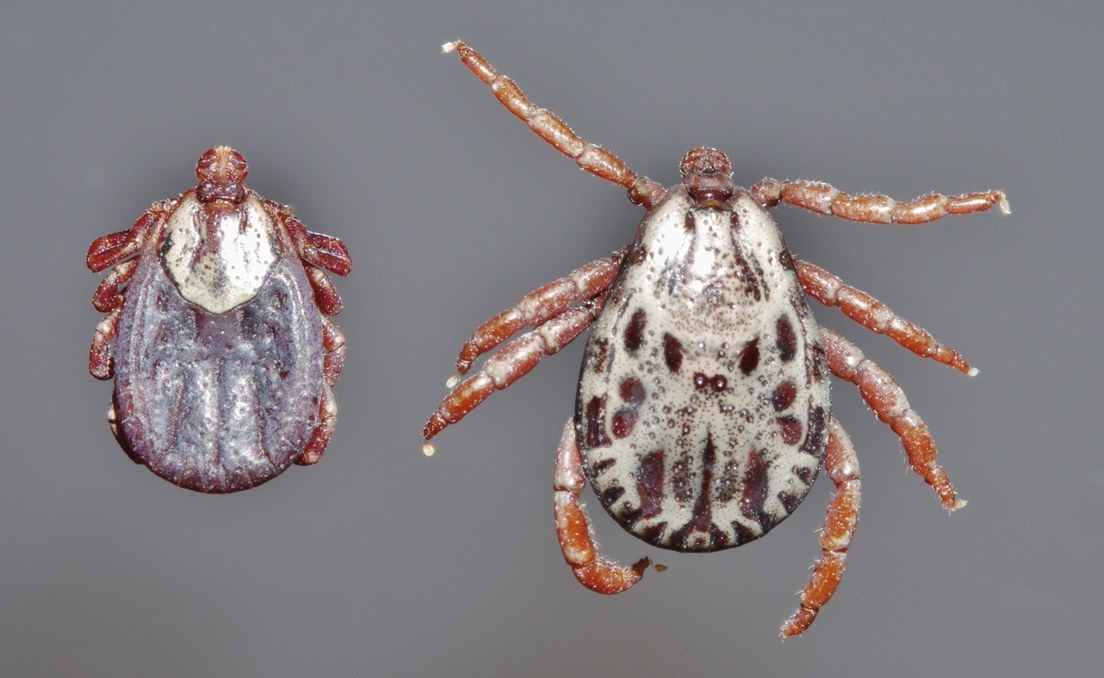
Wood Tick
Grassland, shrub-steppe, and open woodland of western North America
Yellow Scorpion
Arid scrubland, rocky slopes, and desert margins
Whip Spider
Tropical caves, rainforest leaf litter, and under bark
Water Mite
Ponds, lakes, streams, and other freshwater bodies
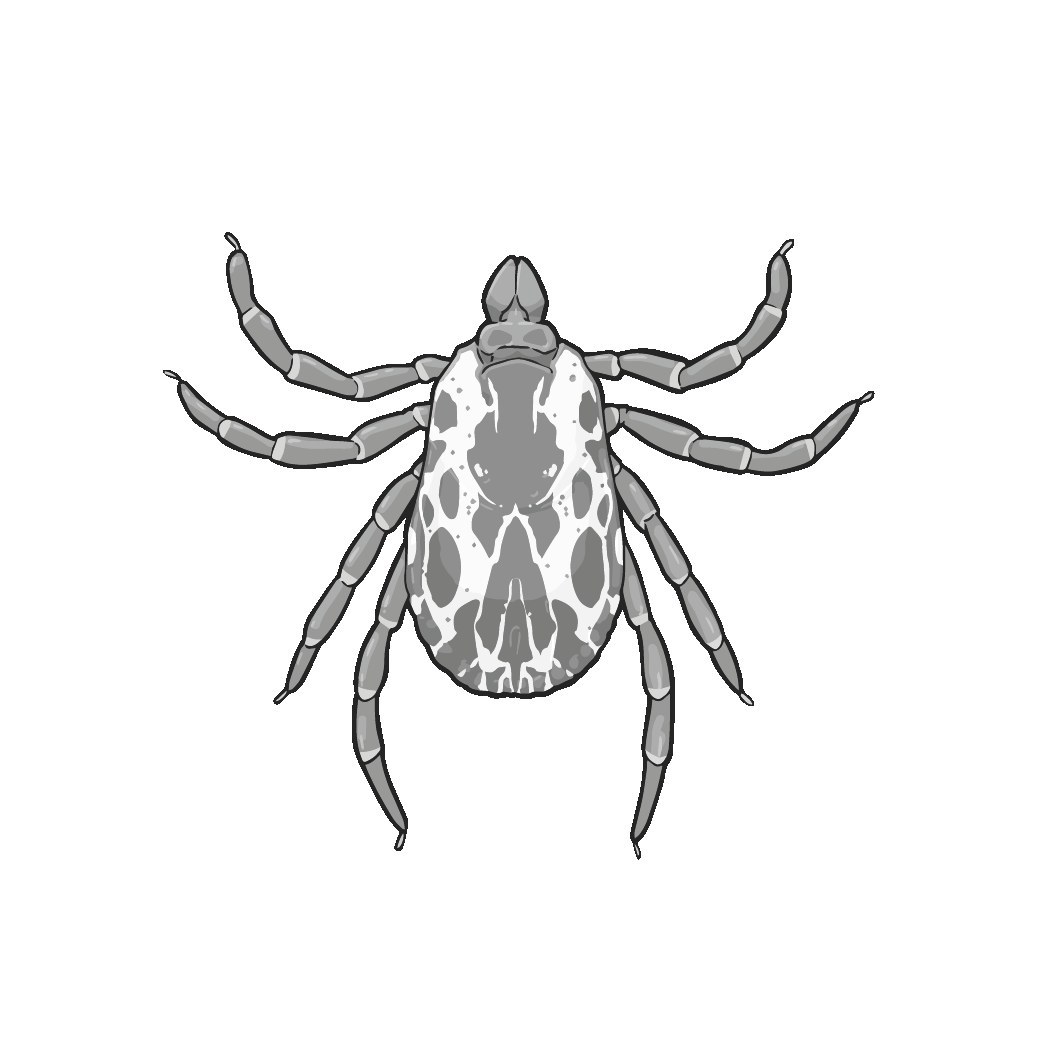
American Dog Tick
Grassy fields, trails, and low vegetation near woodlands
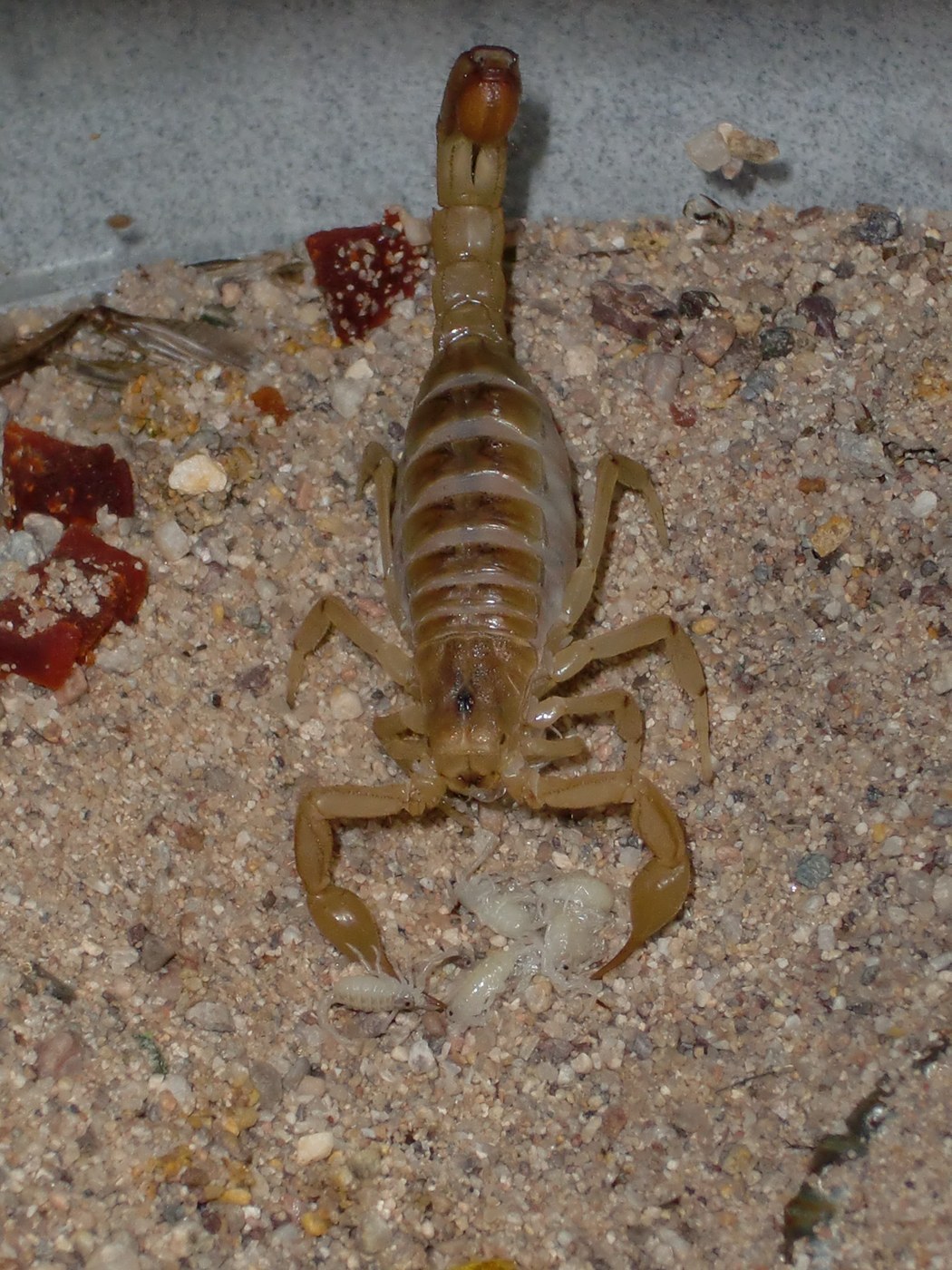
Arizona Bark Scorpion
Rocky desert terrain, tree bark, and structures in the Southwest
Soil Mite
Soil, leaf litter, moss, and decaying organic matter worldwide
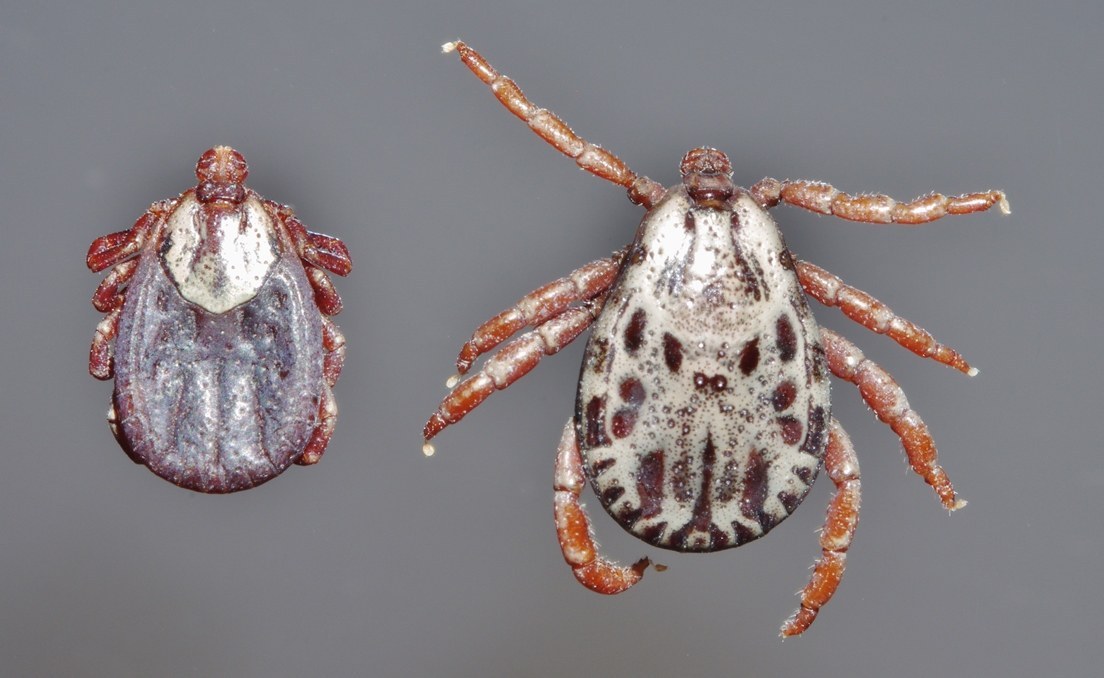
Rocky Mountain Wood Tick
Sagebrush shrublands, grasslands, and montane forest edges
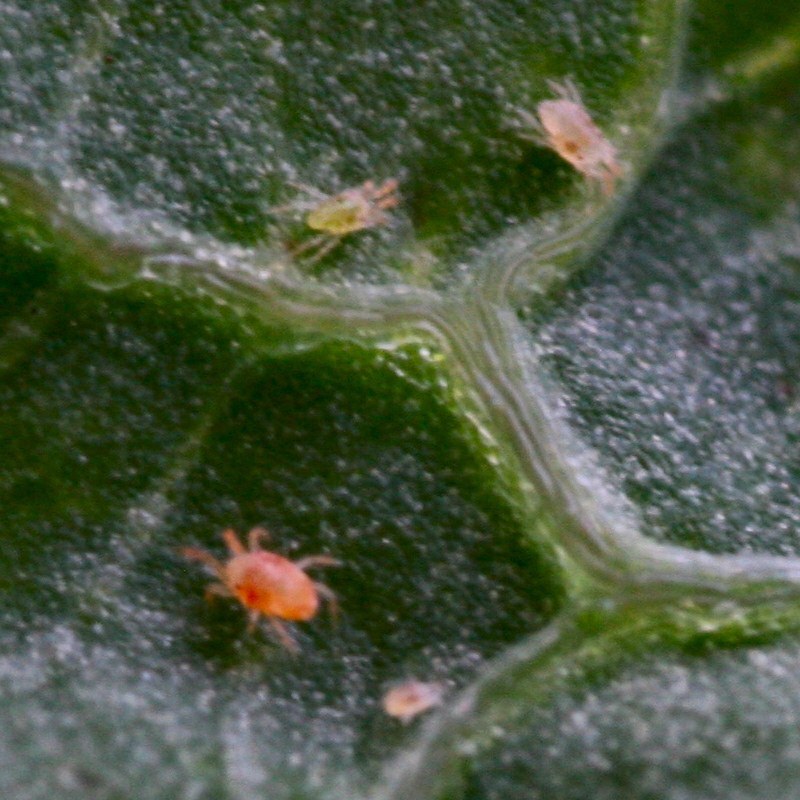
Two-Spotted Spider Mite
Undersides of leaves on garden plants, crops, and houseplants
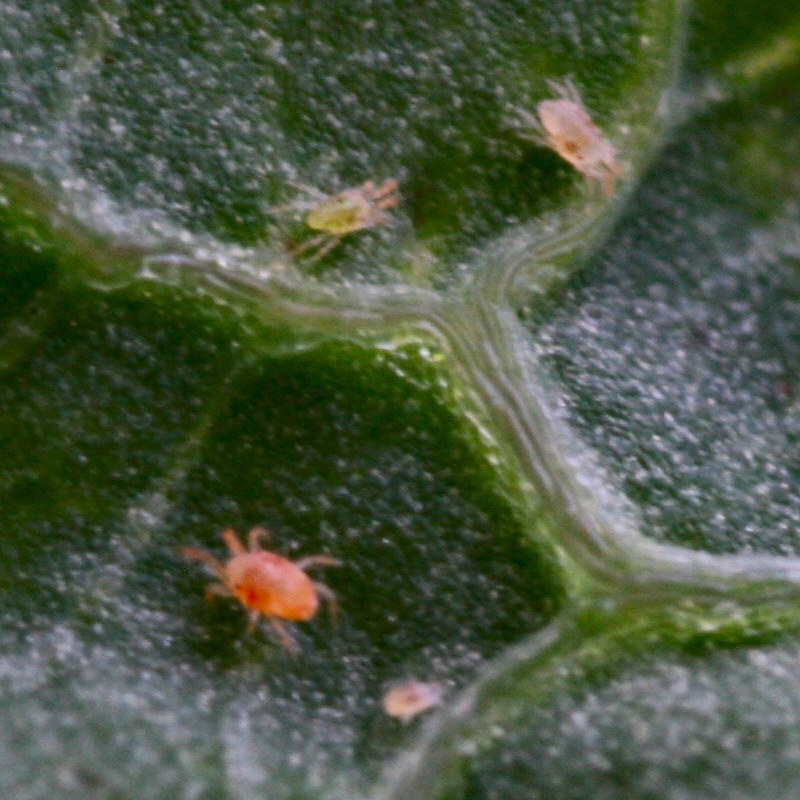
Spider Mite
Undersides of leaves on garden plants, houseplants, and field and orchard crops worldwide
Whip Scorpion
Tropical and subtropical caves, tree bark, and rock crevices worldwide
Scabies Mite
Within the outer skin layer of mammal hosts; no independent outdoor habitat