Underwing Moth Identification Guide
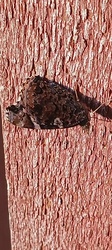
A large, bark-camouflaged moth that hides a flash of brightly colored hindwing beneath dull, mottled forewings.
Read the full Underwing Moth encyclopedia entry →Key Visual Features
Underwing moths (genus Catocala) are prized by moth-watchers for their dramatic hidden color:
- Size: Large moths, with wingspans commonly ranging from 6-9 cm (2.4-3.5 in) depending on species.
- Forewings: Mottled gray, brown, or lichen-patterned, closely matching tree bark for camouflage when the moth is at rest.
- Hindwings: Concealed beneath the forewings at rest but boldly colored in orange, red, pink, or yellow with black bands when exposed — this contrast is the group's hallmark.
- Body: Stout and moderately furry, matching the dull forewing tones.
- Antennae: Thin, thread-like antennae typical of owlet moths.
- Resting posture: Wings held flat against tree bark or rock, forewings completely covering the bright hindwings, making the moth nearly invisible until disturbed.
Where and When You're Likely to See It
Underwing moths are found in deciduous and mixed woodlands, orchards, and wooded parks, especially near oak, hickory, and willow trees that their caterpillars feed on. Adults are nocturnal, flying from mid to late summer into early fall, and are attracted to lights, sugar bait, and fermenting fruit set out by moth enthusiasts. During the day they rest flush against tree trunks, fence posts, or rock faces, where their bark-like forewing pattern provides near-perfect camouflage. If disturbed, they may suddenly flash open their bright hindwings and take flight before settling again a short distance away.
Similar-Looking Moths
- Other Catocala species: Many underwing species look nearly identical in forewing pattern; the exact hindwing color and band pattern is usually needed to separate them precisely.
- Tussock moths: Smaller and furrier overall, without the sudden flash of brightly colored hindwings when disturbed.
- Other large owlet moths: May share a mottled bark-like forewing but lack the vividly colored, banded hindwings hidden underneath.
Quick ID Checklist
- Large size with mottled, bark-like forewings
- Brightly colored, banded hindwings hidden at rest
- Flash of color revealed only in flight or when startled
- Nocturnal, drawn to lights and sugar bait
- Rests flat against tree trunks by day
Frequently asked questions
Why are underwing moths hard to spot at rest?
Their forewings are patterned to closely mimic tree bark or lichen, completely covering the colorful hindwings and camouflaging the moth against the surface it rests on.
How can I see the colorful hindwings?
The bright hindwing color is usually only visible when the moth is in flight or briefly flashes its wings open if startled while resting.
Are all underwing moth species colored the same?
No, hindwing colors and band patterns vary by species, ranging from orange and red to pink or yellow, which is one way experts distinguish between closely related species.
What is the best way to find resting underwing moths during the day?
Check tree trunks, fence posts, and rock surfaces near woodlands, scanning for a mottled gray-brown shape that blends with the bark texture.
Underwing Moth identified by the community
Recent Underwing Moth finds identified with Bug Identifier.