
Underwing Moth
Catocala spp.
A master of camouflage whose bark-patterned forewings hide brightly colored, banded hindwings that flash into view only when the moth is disturbed in flight.
- Size
- 2–3.5 in wingspan
- Habitat
- Deciduous forests, woodland edges
- Danger
- Harmless
Spotted a bug like this?
Identify any bug or insect from a photo, free.
Overview
Underwing moths belong to the large genus Catocala within the family Erebidae, comprising hundreds of species found across North America, Europe, and Asia. They are celebrated among moth enthusiasts for their striking combination of cryptic forewings and vividly patterned hindwings, a contrast that gives the group its common name.
At rest, the forewings lie flat over the body, displaying intricate mottled patterns of gray, brown, and black that blend seamlessly with tree bark, rendering the moth nearly invisible against a trunk. When startled, the moth flashes its hidden hindwings, typically banded in red, orange, yellow, or pink with black stripes, a sudden burst of color thought to startle predators before the moth flies away and disappears again upon landing.
The genus is a favorite subject of moth-watching and light-trapping, since many species are large, common, and readily distinguished once observers become familiar with subtle forewing pattern differences between species.
How to Identify
- Forewings are camouflaged in mottled gray, brown, and black bark-like patterns, providing excellent camouflage at rest.
- Hindwings, normally concealed, are boldly banded in red, orange, yellow, or pink with contrasting black bands, revealed only in flight or when disturbed.
- Wingspan generally 5–9 cm depending on species, among the larger moths in temperate woodlands.
- Stout, moderately furry body and thread-like antennae typical of noctuoid moths.
- Hundreds of species exist and are best told apart by subtle forewing pattern and hindwing band color and width; general identification to genus is usually straightforward from the flash-color behavior alone.
Habitat & Range
Found across temperate regions of North America, Europe, and Asia, primarily in deciduous forests and woodland edges where host trees such as oak, hickory, and willow grow. Adults are nocturnal, resting motionless against bark by day and becoming active at night, particularly in mid to late summer, when they are attracted to lights, fermenting bait, and sap flows.
Behavior & Diet
Adults rest with wings folded flat against bark, relying on camouflage to avoid detection, and take flight suddenly if disturbed, exposing the bright hindwing pattern in a startle display before landing again and vanishing into the bark pattern. They feed on tree sap, rotting fruit, and sugary baits set out by moth enthusiasts, rather than flowers. Caterpillars feed on the leaves of deciduous trees and are themselves camouflaged, often resembling twigs or bark to avoid predators during the day.
Life Cycle
Females lay eggs on or near host tree bark in late summer or fall, and the eggs overwinter before hatching in spring. Caterpillars feed on fresh foliage through spring and early summer, molting through several instars while remaining camouflaged against bark and twigs. Mature larvae pupate in leaf litter or loose bark crevices, and adults emerge in mid to late summer to mate and lay the next generation's eggs, typically completing one generation per year.
Frequently asked questions
Why are they called underwing moths?
Their hindwings, hidden beneath camouflaged forewings at rest, are boldly colored and are flashed into view only when the moth takes flight, giving the group its name.
How many species of underwing moth are there?
The genus Catocala includes hundreds of species across North America, Europe, and Asia, distinguished mainly by subtle forewing patterns and hindwing band colors.
What do adult underwing moths eat?
They feed on tree sap, rotting fruit, and other sugary substances rather than flower nectar.
Where is the best place to look for one?
Check tree trunks in deciduous woodland at night, especially near sap flows or sugary bait, where their camouflage makes them blend almost perfectly with bark.
Underwing Moth guides
In-depth guides for identifying, understanding, and living alongside Underwing Moth.
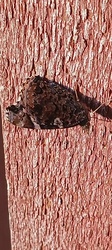
Underwing Moth identified by the community
Real finds identified with Bug Identifier.
Other bugs you may enjoy
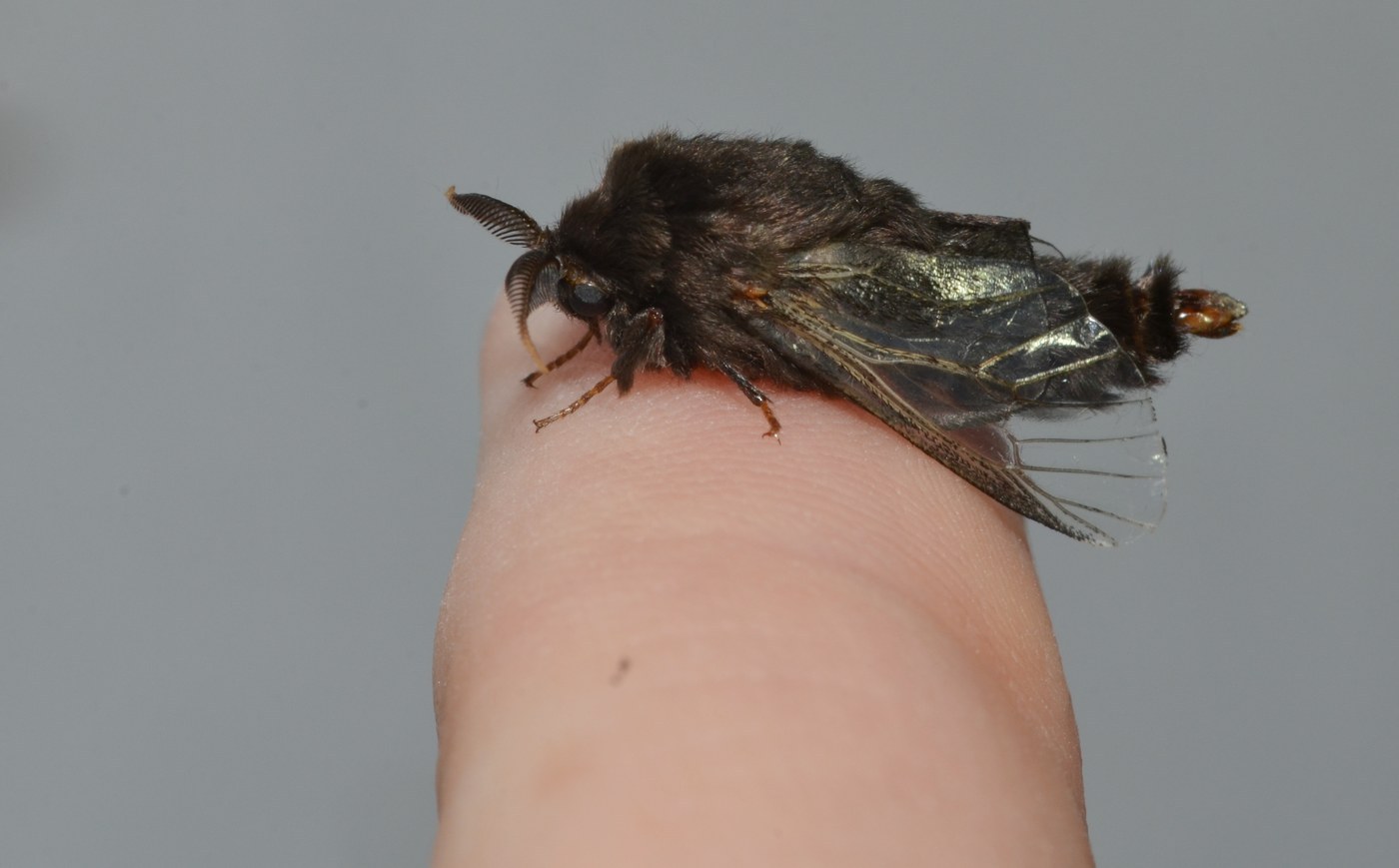
Bagworm Moth
Coniferous and deciduous trees, shrubs, hedges
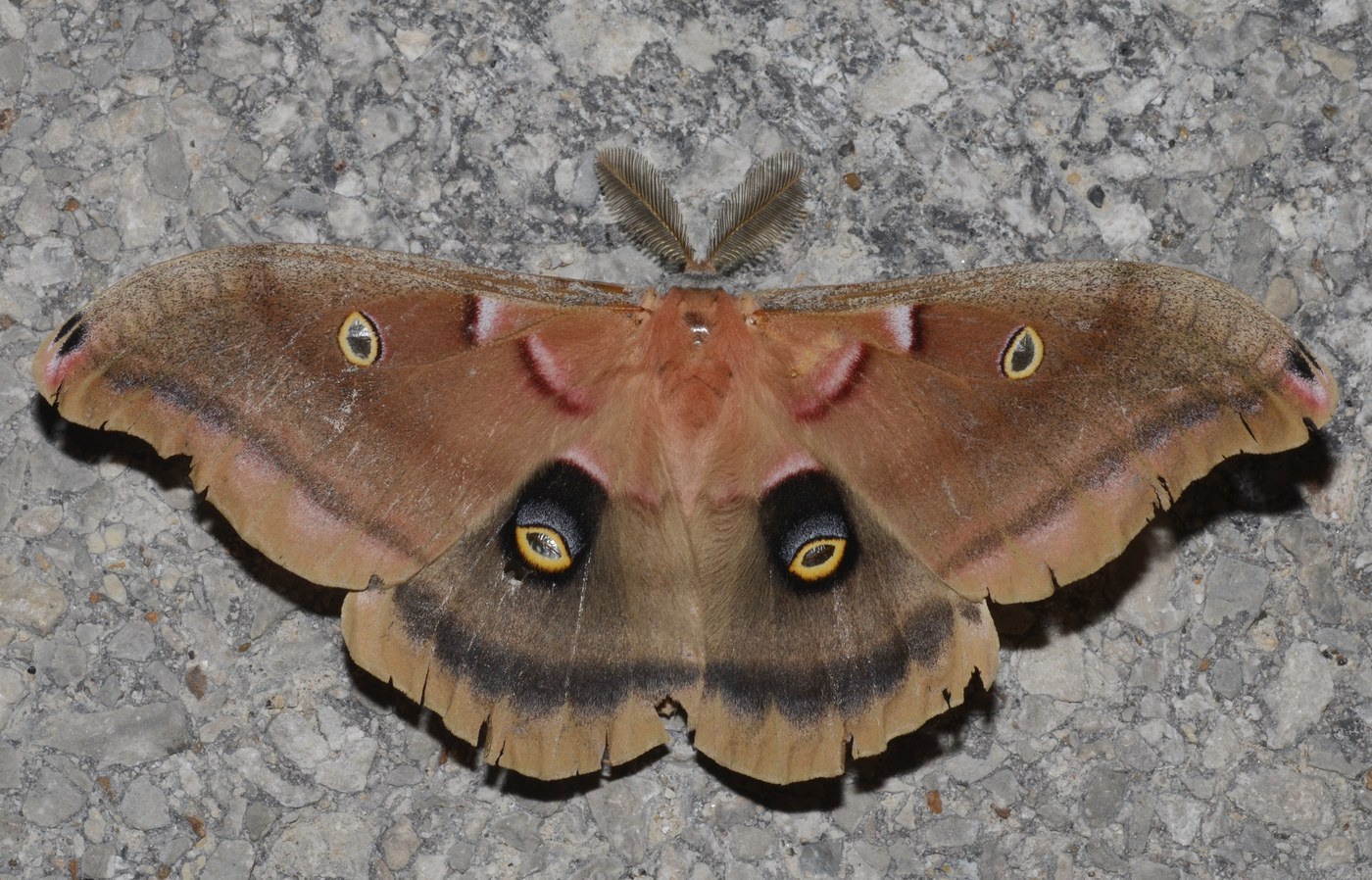
Antheraea Silkmoth
Deciduous forests, woodland edges, orchards
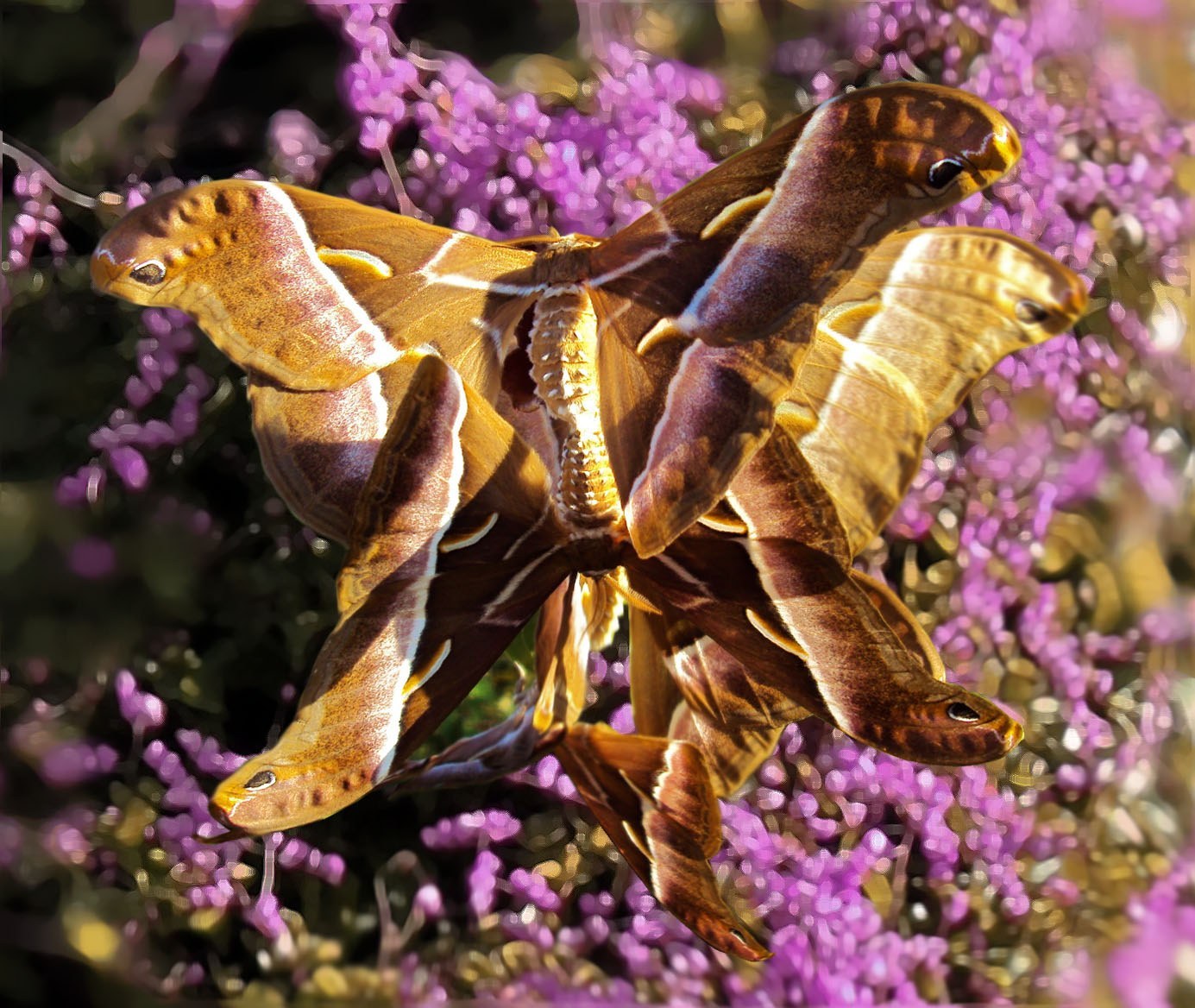
Ailanthus Silkmoth (Cynthia Moth)
Urban parks, wastelands, and woodland edges with tree-of-heaven; native to Asia, introduced in North America and Europe
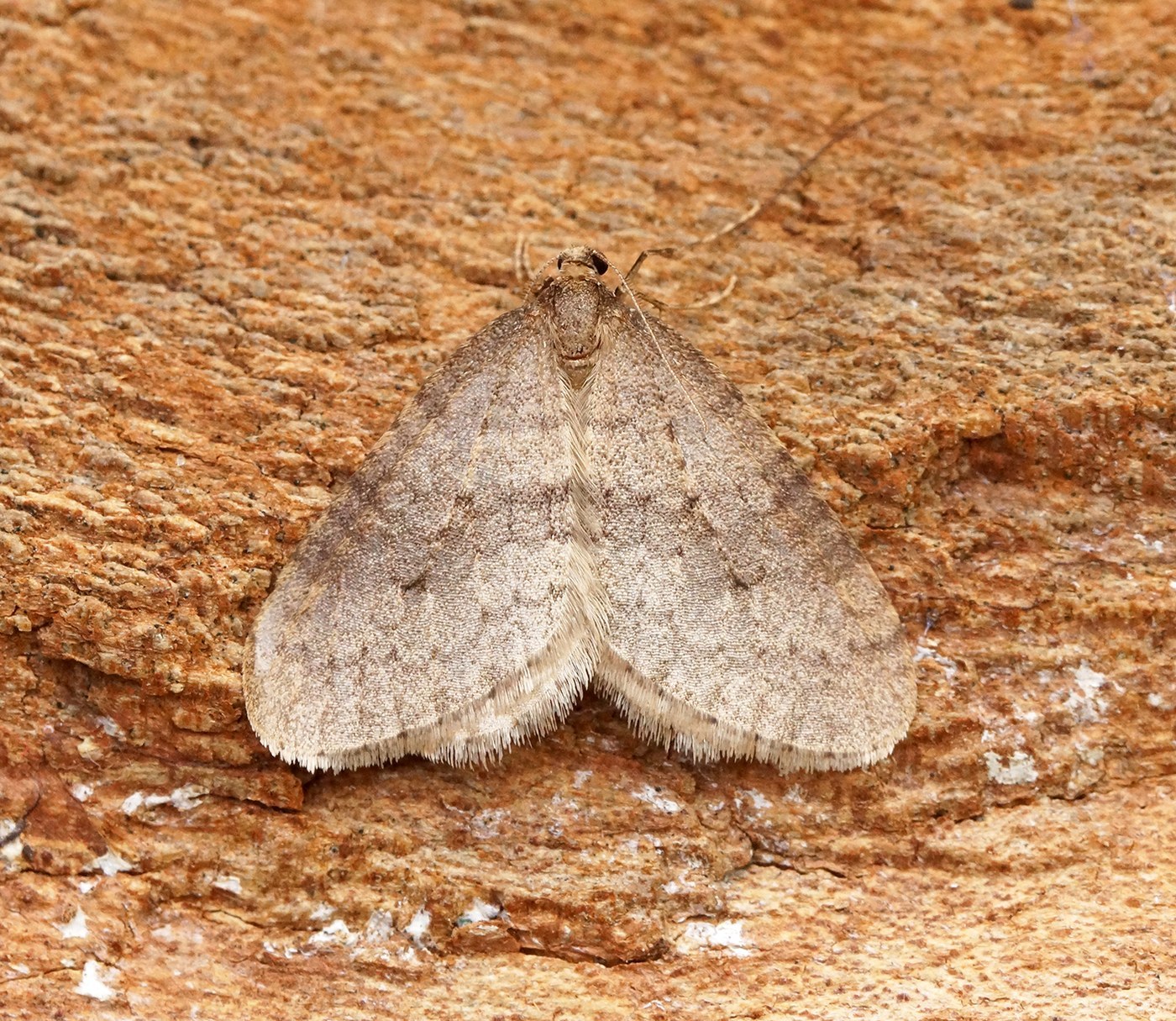
Winter Moth
Deciduous woodland, orchards, gardens, hedgerows
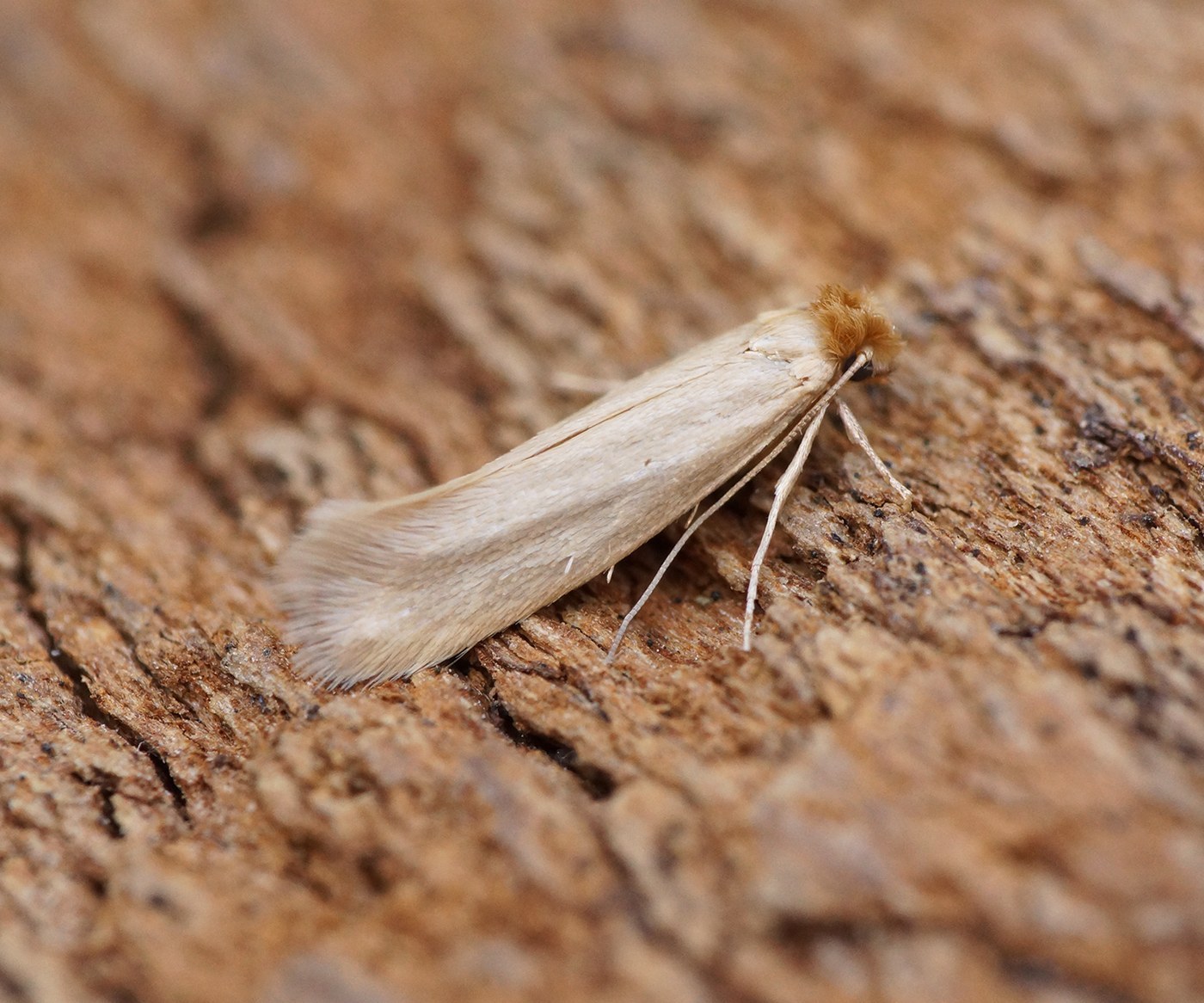
Webbing Clothes Moth
Dark closets, storage areas, and animal nests worldwide
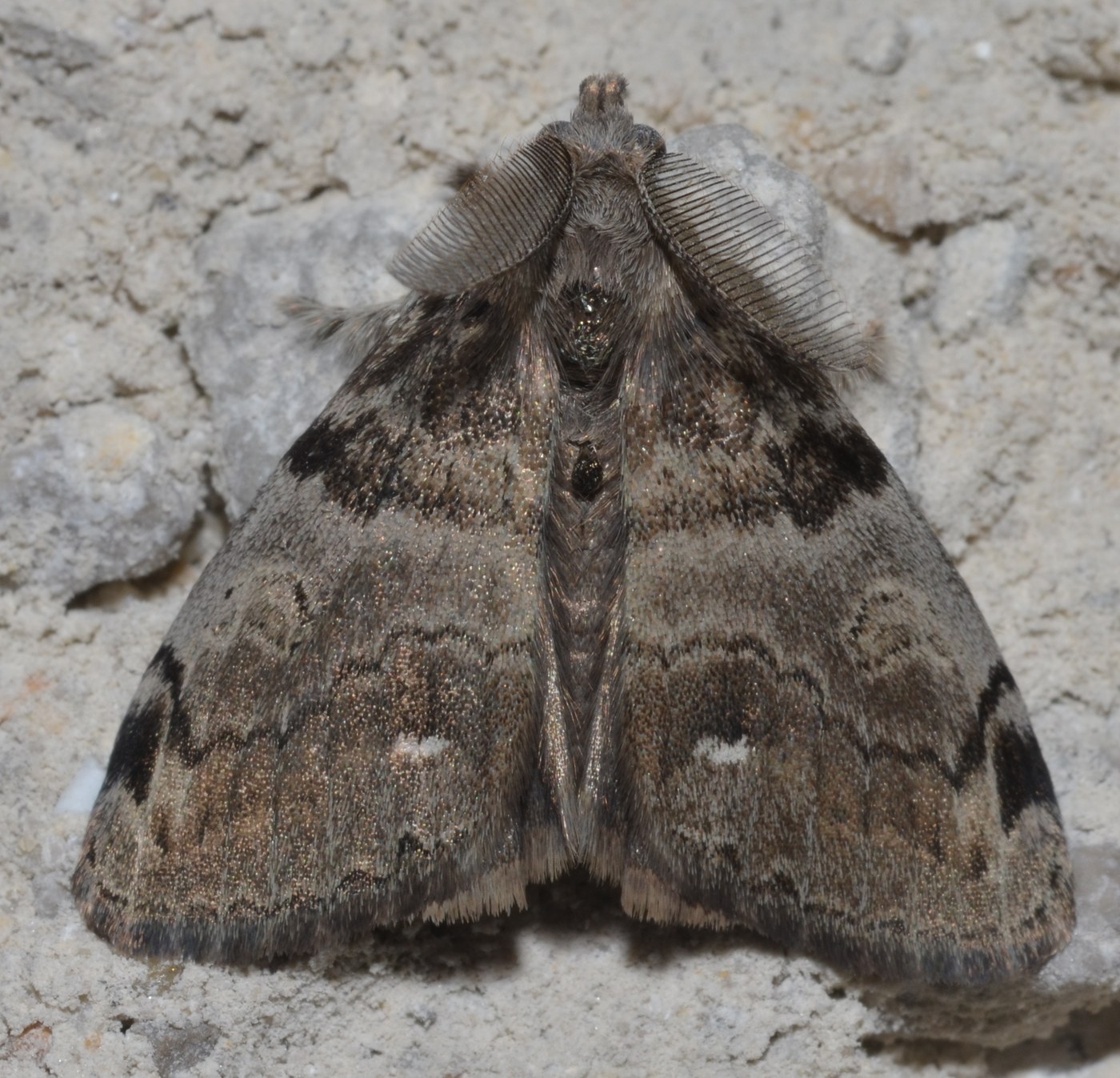
Tussock Moth
Deciduous forests, parks, gardens
Wax Moth
Beehives, apiaries, stored beeswax and comb
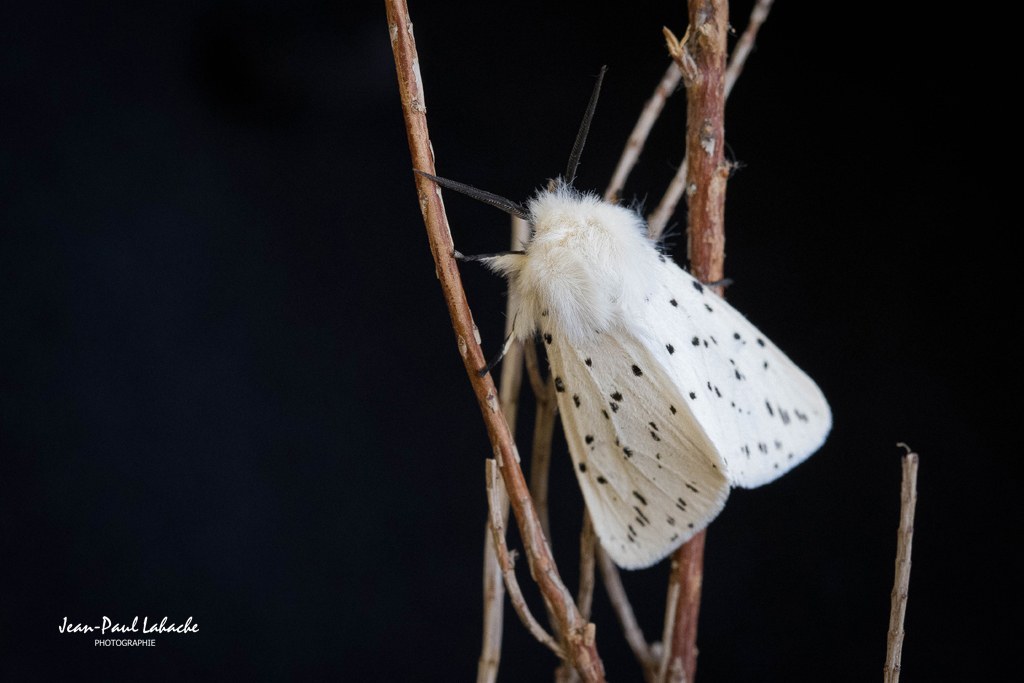
White Ermine Moth
Gardens, meadows, hedgerows
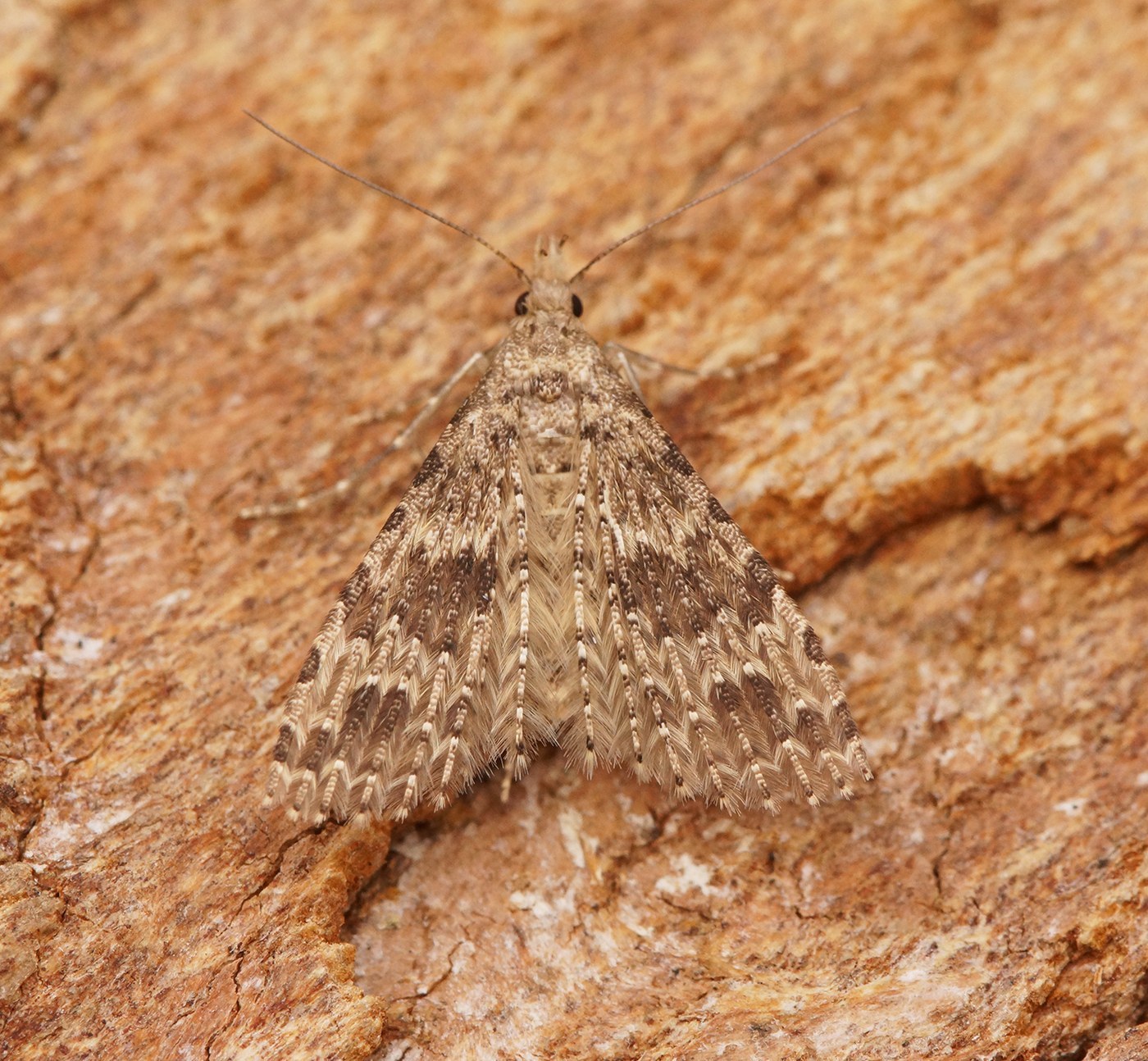
Twenty-plume Moth
Gardens, hedgerows, near honeysuckle
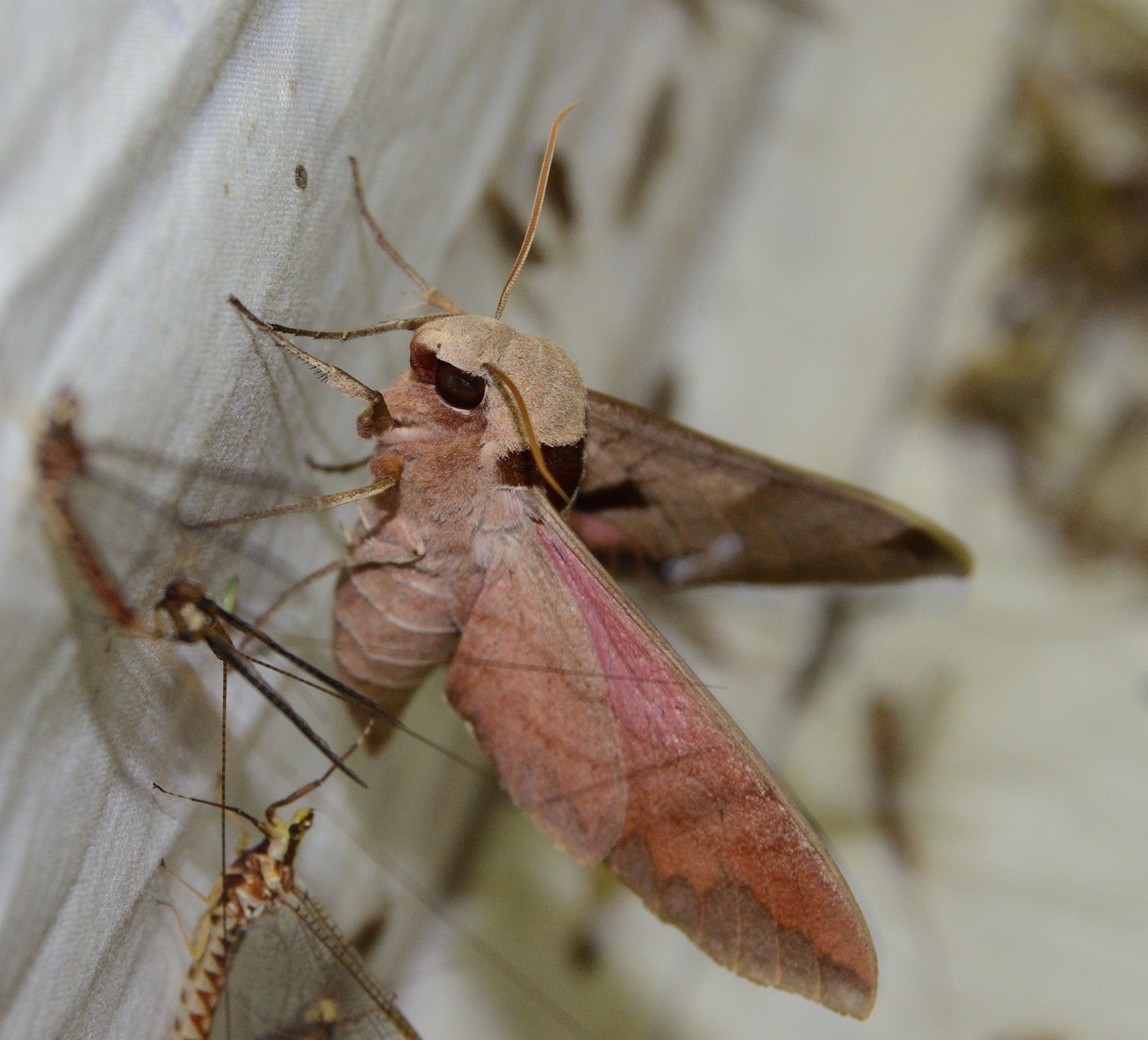
Achemon Sphinx Moth
Vineyards, woodland edges, gardens with wild grape
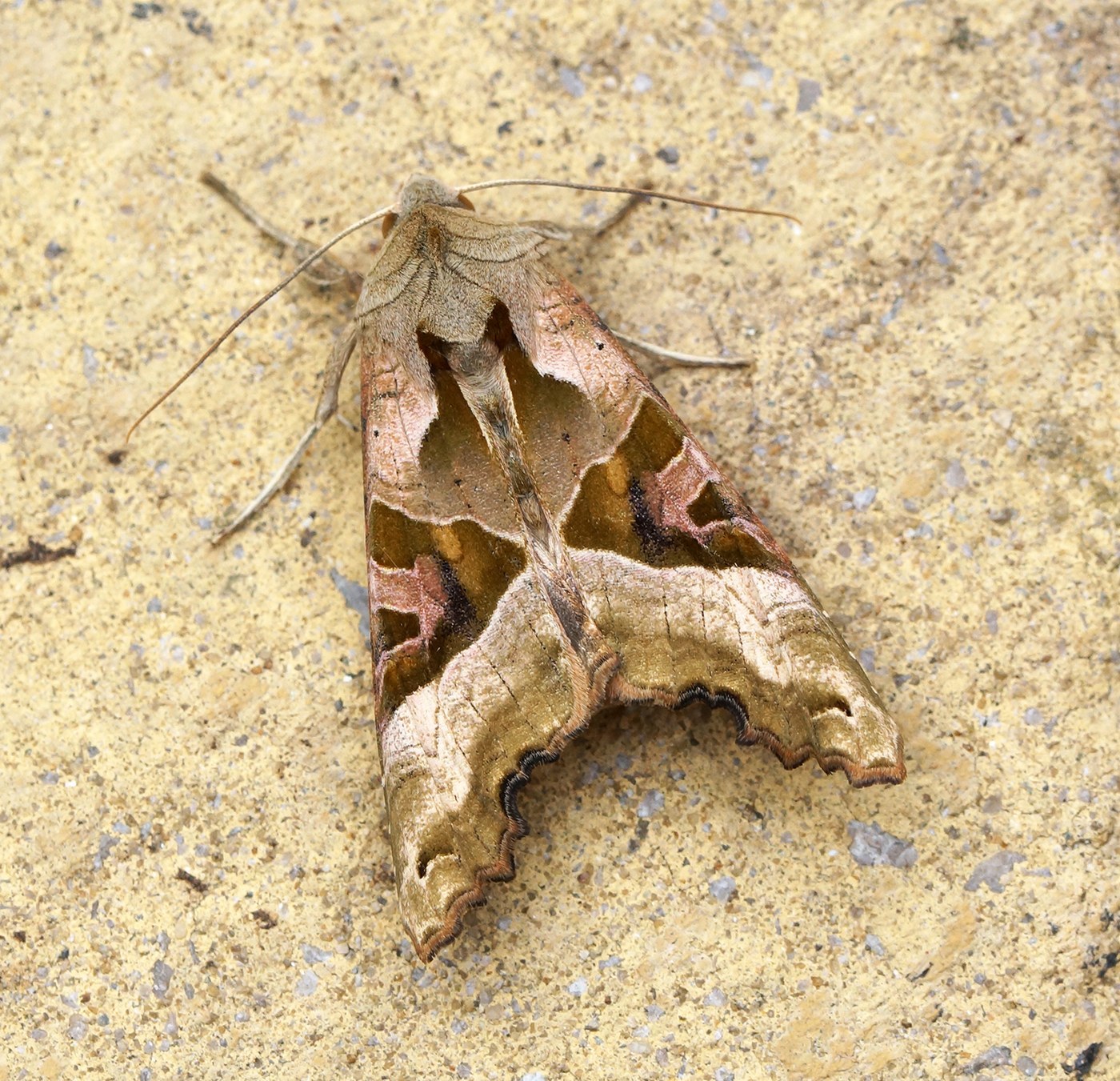
Angle Shades Moth
Gardens, hedgerows, woodland edges, urban parks
Atlas Moth
Tropical and subtropical lowland forests of Southeast Asia