Yellow Jacket Identification Guide
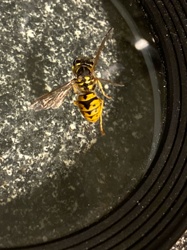
Identify a yellow jacket by its smooth, shiny black-and-yellow body, slender waist, and rapid, darting flight.
Read the full Yellow Jacket encyclopedia entry →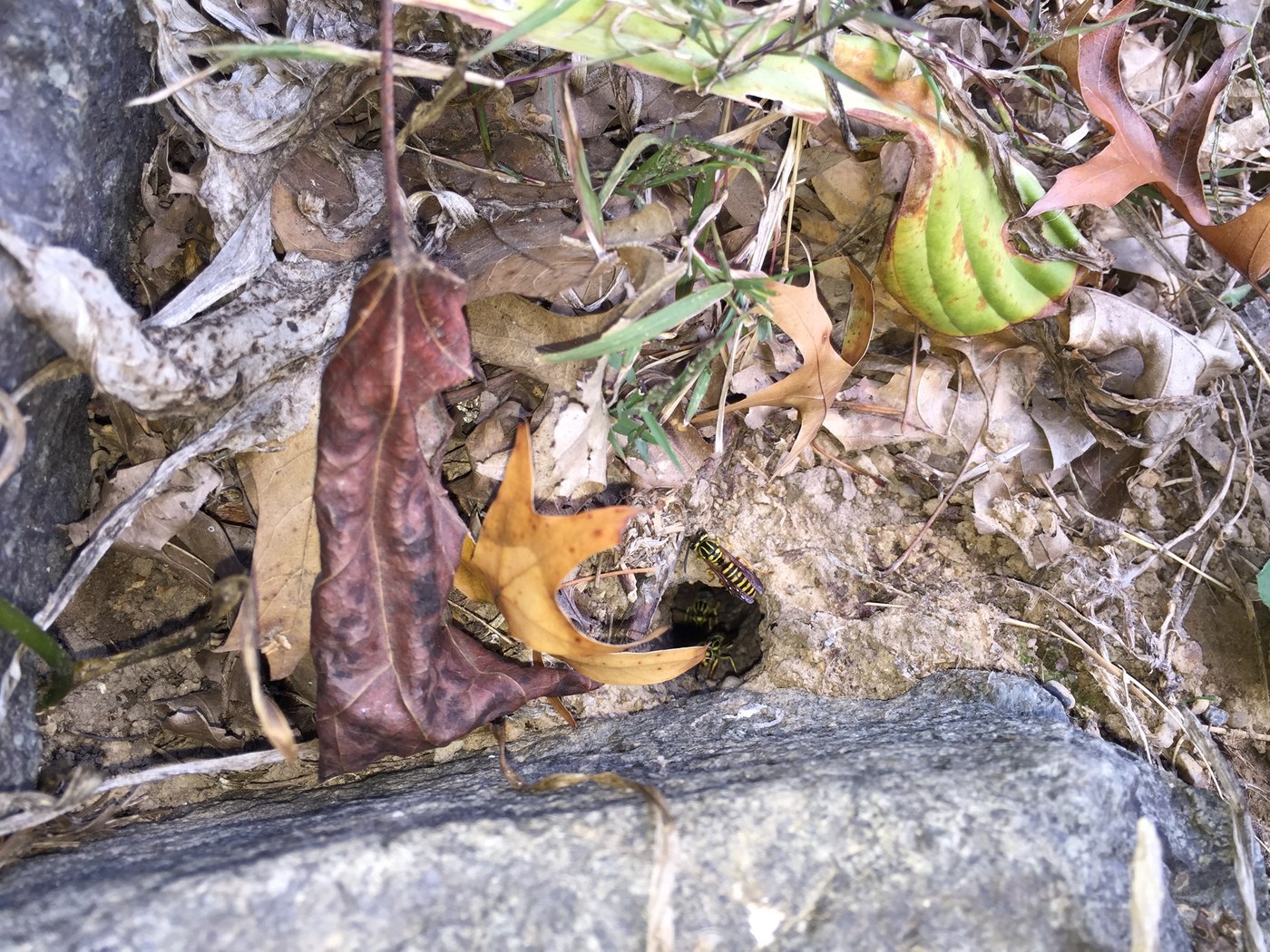
Key Visual Features
Yellow jackets are social wasps known for their bold coloring and sleek, largely hairless bodies, which set them apart from fuzzy bees.
- Size: About 3/8 to 5/8 inch (10–16 mm) long for workers; queens are larger.
- Color: Bright, contrasting bands of yellow and black, arranged in distinct patterns on the abdomen.
- Body shape: Smooth, shiny, and largely hairless, with a very narrow, pinched waist connecting the thorax and abdomen.
- Wings: Two pairs of clear wings, folded lengthwise along the back when at rest.
- Legs: Six legs, dark-colored and mostly hairless, without the pollen-carrying structures seen on bees.
- Antennae: Elbowed, dark antennae, relatively short compared to the body.
- Flight pattern: Fast, direct, and darting, often flying low and side to side near food sources or nest entrances.
Where and When You'll See Them
Yellow jackets commonly nest underground in abandoned rodent burrows, in wall voids, or in other sheltered cavities, building papery, layered nests hidden from view. They are frequently seen around outdoor gathering spaces, garbage areas, and ripening fruit, especially in late summer and early fall when colonies reach peak size and workers actively forage. Activity drops off with the first hard frosts, when the colony dies back except for newly mated queens that overwinter alone.
Similar-Looking Insects
- Honey bees: Fuzzy and golden-brown rather than smooth and bright yellow, with a stockier, less pinched waist.
- Paper wasps: Slimmer overall with longer legs that dangle noticeably in flight, and a more elongated abdomen; nests are open-comb umbrella shapes rather than fully enclosed.
- Hover flies: Mimic the yellow-and-black pattern but have only one pair of wings, large fly-like eyes, and short antennae, plus a hovering rather than darting flight style.
Quick ID Checklist
- Smooth, shiny black-and-yellow banded body
- Narrow, pinched waist
- Mostly hairless compared to bees
- Fast, darting, side-to-side flight near food or nest sites
- Nests underground or in enclosed cavities, papery construction
Frequently asked questions
How do I tell a yellow jacket from a honey bee?
Yellow jackets are smooth and shiny with bold, bright bands and a narrow waist, while honey bees are fuzzy, more muted golden-brown, and have a stockier body without the pronounced pinched waist.
How is a yellow jacket different from a paper wasp?
Paper wasps have a more slender, elongated body with legs that visibly dangle during flight, while yellow jackets have a more compact body and legs that stay tucked closer during their fast, darting flight.
Where do yellow jackets typically build nests?
They often build enclosed, papery nests underground in old rodent burrows or in hidden cavities like wall voids, unlike the open, umbrella-shaped combs built by paper wasps.
Why do I see more yellow jackets in late summer?
Colonies reach their largest size by late summer and early fall, so more workers are out foraging at once, which is why sightings tend to increase during that time of year.
Yellow Jacket identified by the community
Recent Yellow Jacket finds identified with Bug Identifier.