
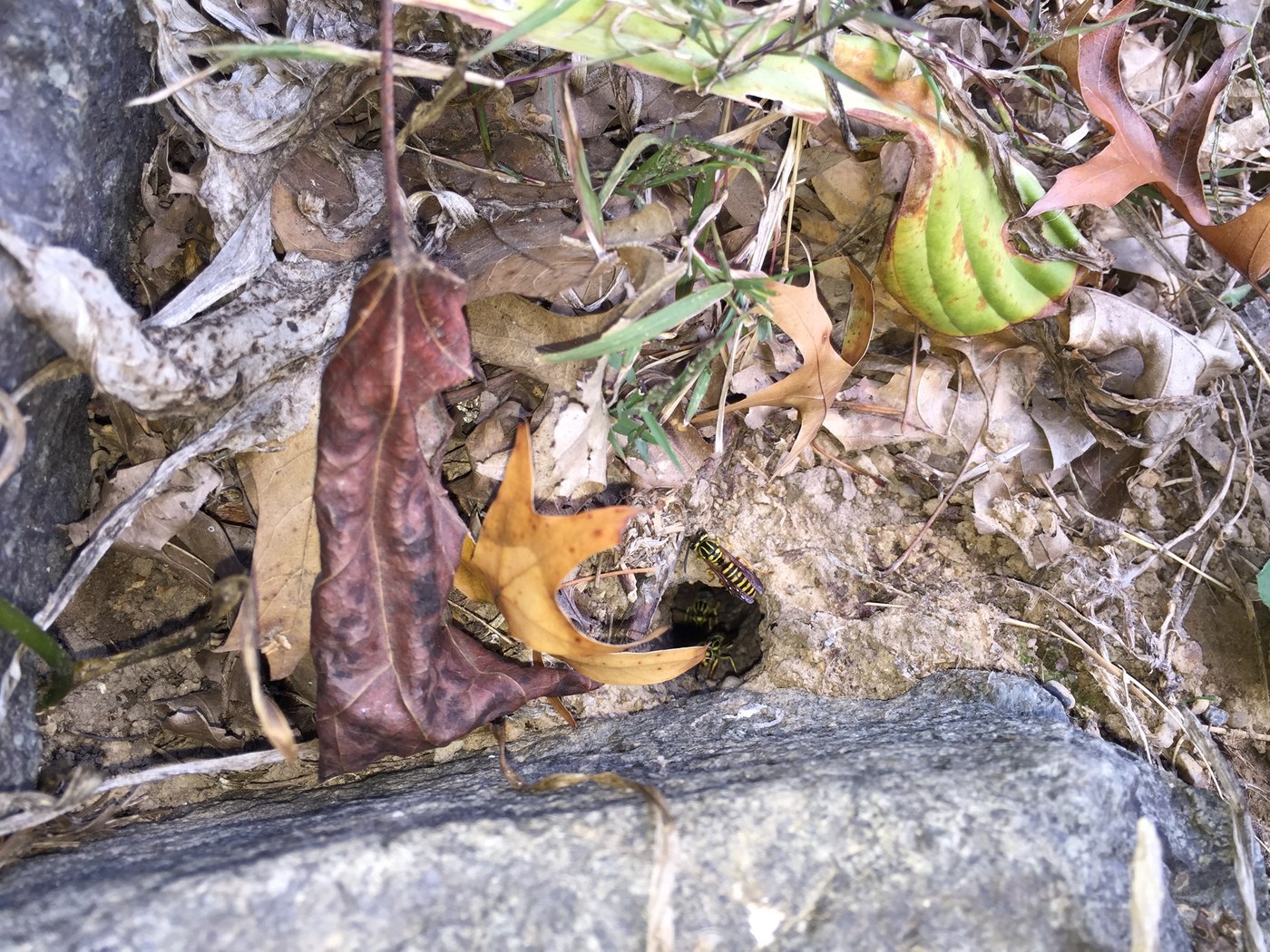
Yellow Jacket
Vespula maculifrons
A smooth-bodied, boldly banded black-and-yellow wasp with a narrow waist, often seen hovering aggressively around outdoor food and sugary drinks in late summer.
- Size
- 10–16 mm
- Habitat
- Ground nests, wall voids, parks, and areas near food sources
- Danger
- Stings
Spotted a bug like this?
Identify any bug or insect from a photo, free.
Overview
Yellow jackets are wasps in the genus Vespula (and the closely related genus Dolichovespula) within the family Vespidae, order Hymenoptera. Numerous species occur across North America, Europe, and Asia, with the eastern yellowjacket, Vespula maculifrons, being one of the most common in eastern North America.
These wasps are notable for their smooth, brightly banded exoskeleton and their tendency to build large paper nests in concealed locations, often underground or within building cavities, distinguishing them from the open, umbrella-shaped nests of paper wasps. Colonies can grow to several thousand individuals by late summer.
Ecologically, yellow jackets are effective predators of many pest insects during the spring and summer months, though their attraction to sugary foods and protein scraps in late summer often brings them into close contact with human outdoor activities.
How to Identify
- Smooth, shiny black body with bold, well-defined yellow bands and markings.
- Narrow, distinctly pinched waist connecting the thorax and abdomen.
- Two pairs of clear wings folded lengthwise along the body at rest.
- Legs and antennae mostly dark, without the dense hair seen on bees.
- Lookalikes: honey bees are fuzzier and more amber-toned, while paper wasps are more slender with longer legs that dangle noticeably during flight.
Habitat & Range
Yellow jackets are found across most of North America, Europe, and parts of Asia, commonly nesting in underground burrows, wall voids, or other enclosed cavities. Colonies are active from spring through the first hard frost, with populations and foraging activity peaking in late summer and early fall.
Behavior & Diet
In spring and early summer, yellow jackets primarily hunt other insects and arthropods to feed their developing larvae, making them beneficial predators. By late summer, as colonies reach peak size and larval protein demand drops, workers increasingly seek sugary foods, which often brings them into contact with outdoor picnics and garbage areas. Colonies can become defensive and may sting repeatedly if their nest is disturbed.
Life Cycle
Yellow jackets undergo complete metamorphosis: egg, larva, pupa, and adult. A single overwintered queen begins a nest in spring, laying eggs that hatch into legless larvae fed by the queen and later by workers; larvae pupate within paper cells before emerging as adult workers. The colony expands through summer, producing new queens and males in late summer, after which the colony declines and dies off with the onset of cold weather, leaving only newly mated queens to overwinter.
Frequently asked questions
How can I tell a yellow jacket from a honey bee?
Yellow jackets have a smooth, shiny body with sharp black-and-yellow bands, while honey bees are fuzzier and more amber-brown in tone.
Where do yellow jackets build their nests?
They commonly nest underground in old rodent burrows or inside enclosed voids such as wall cavities, rather than building exposed nests.
Why do yellow jackets seem more active in late summer?
As colonies peak in size and larval protein demand declines, workers shift toward foraging for sugary foods, increasing encounters with people outdoors.
Does the whole colony survive winter?
No, only newly mated queens survive winter in sheltered hibernation; the rest of the colony dies off with cold weather.
Yellow Jacket guides
In-depth guides for identifying, understanding, and living alongside Yellow Jacket.
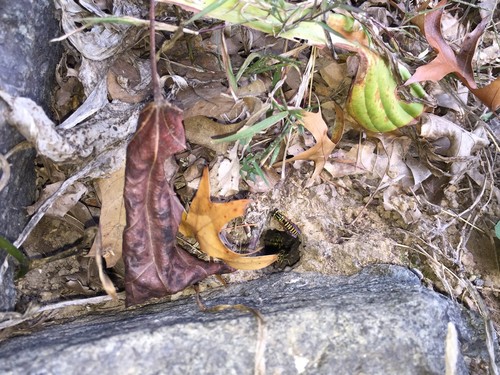
Yellow Jacket identified by the community
Real finds identified with Bug Identifier.
Other bugs you may enjoy
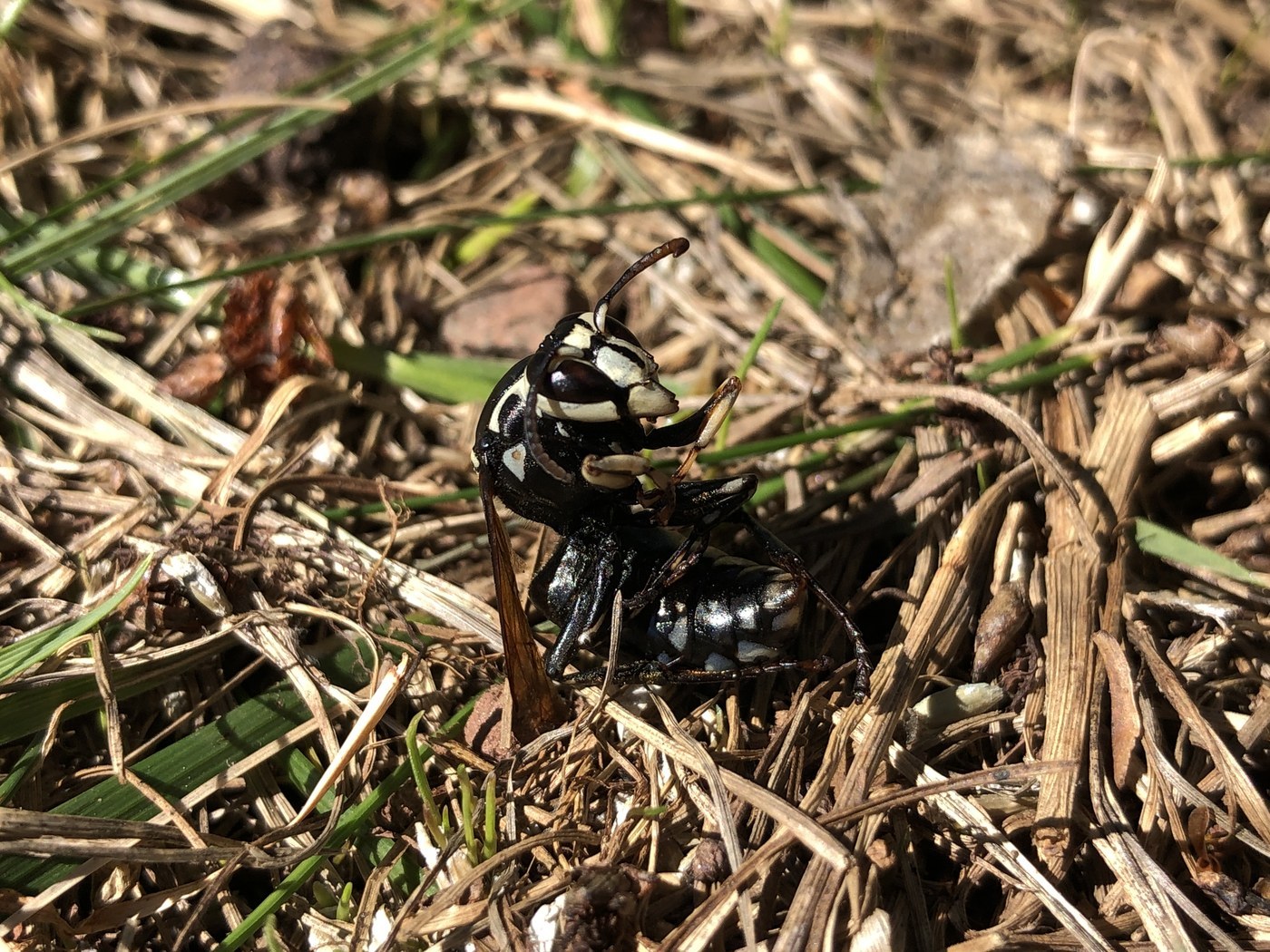
Bald-faced Hornet
Woodland edges, shrubs, and tree branches across North America
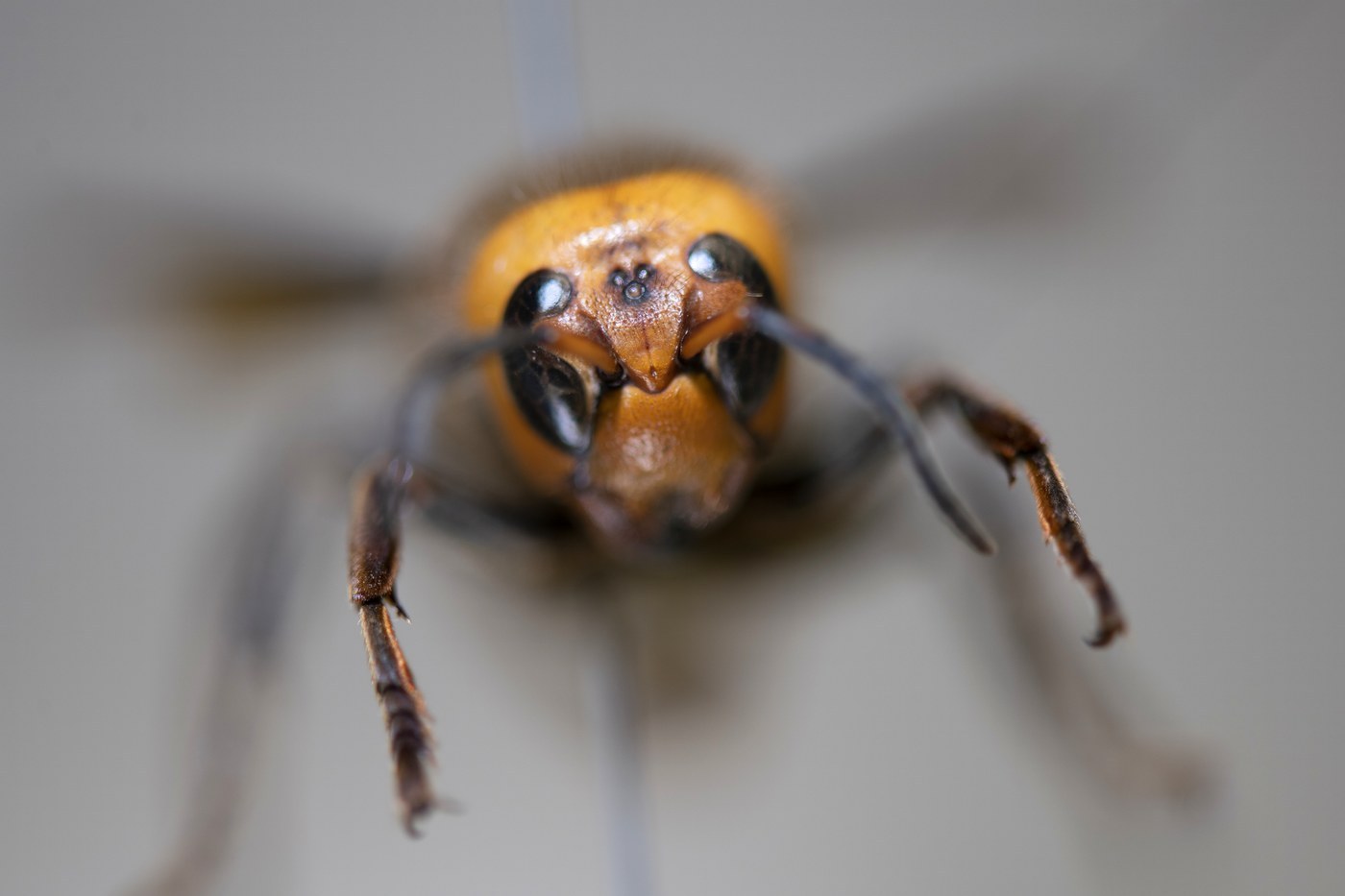
Asian Giant Hornet
Forested lowlands and mountains of East and South Asia; low tree hollows
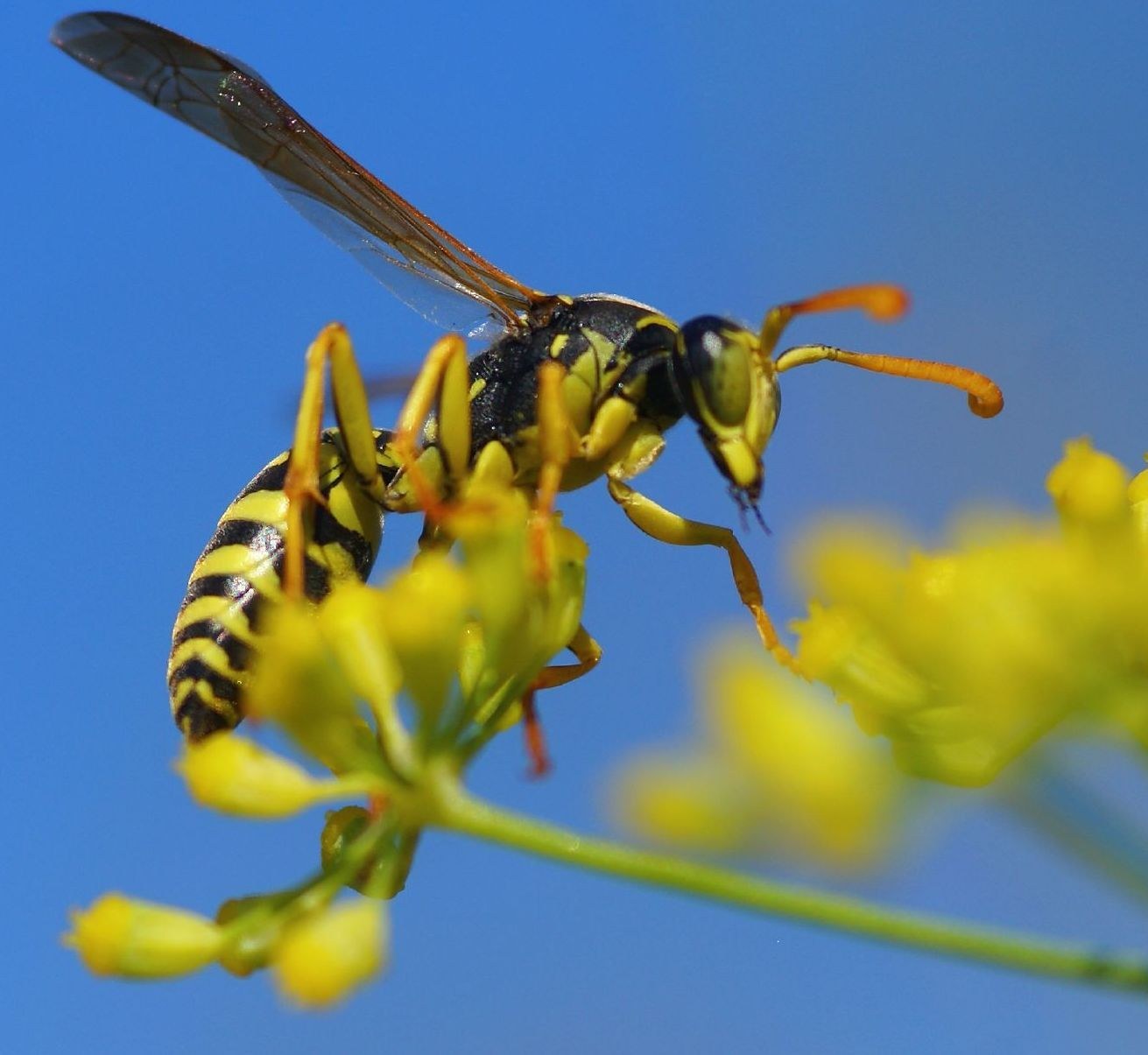
Yellowjacket
Underground nests, wall voids, gardens, picnic areas
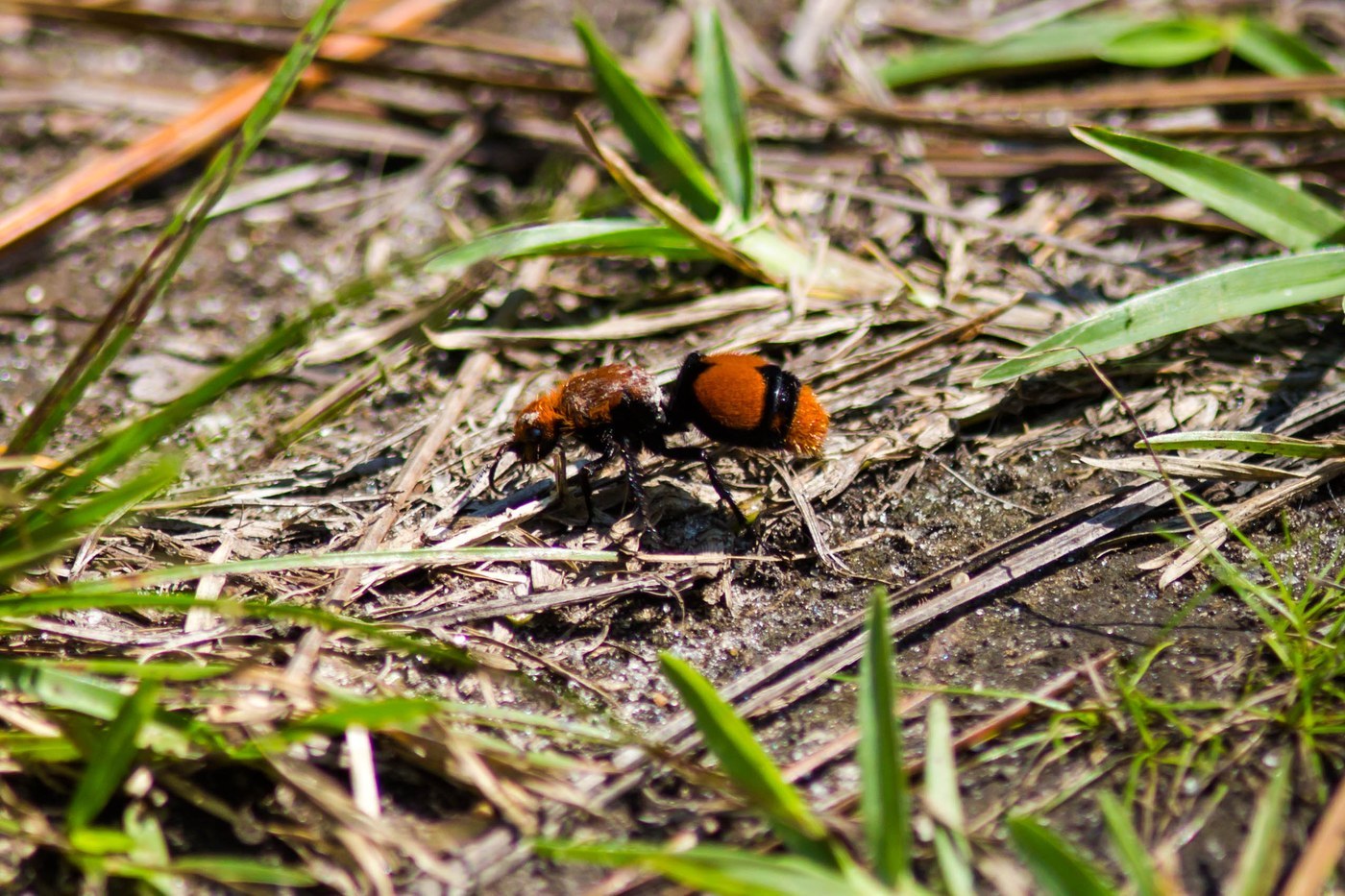
Velvet Ant
Sandy soils, open fields, dunes, roadsides in warm regions
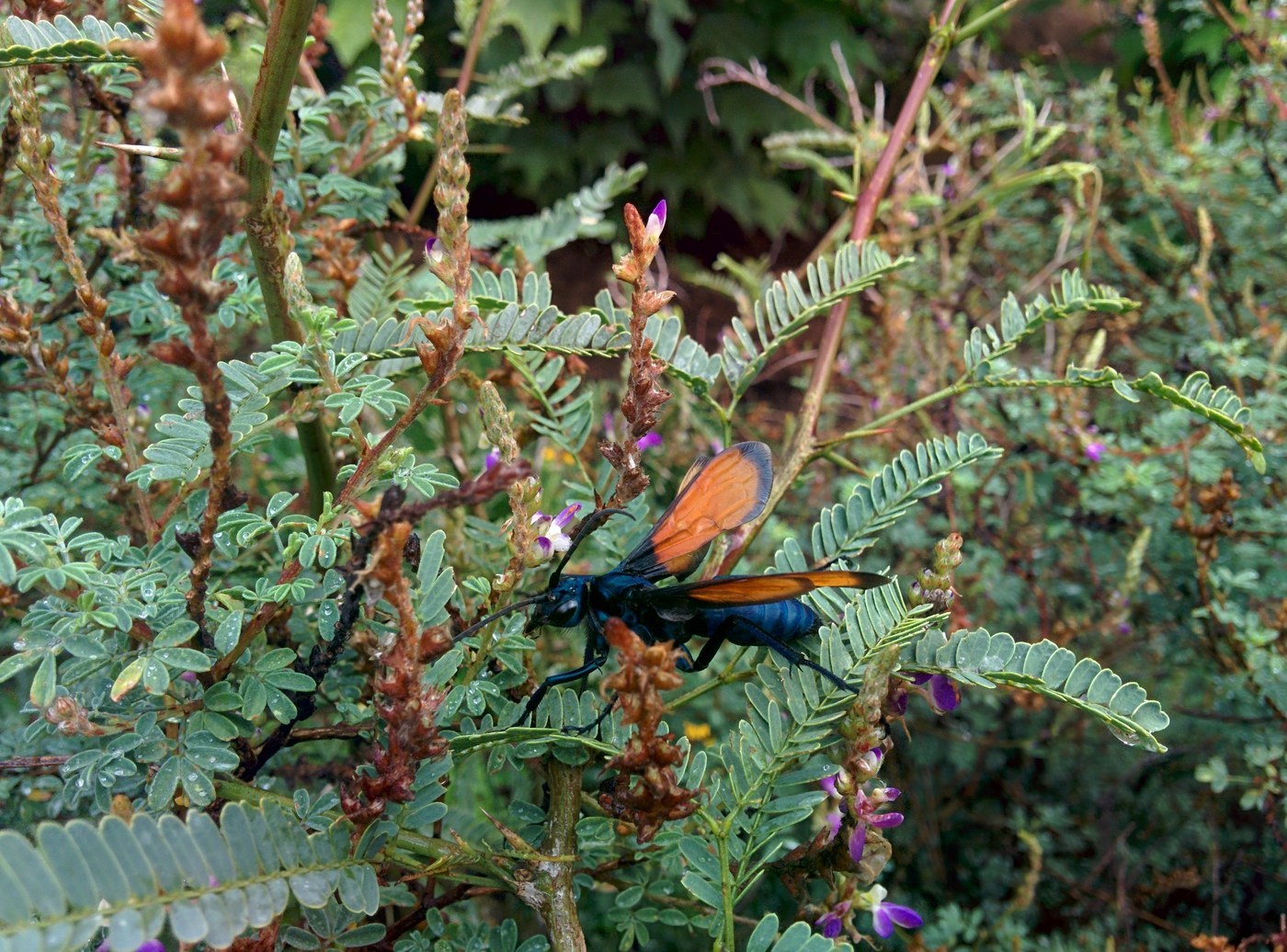
Tarantula Hawk
Deserts, arid scrublands, and dry grasslands
Tarantula Hawk Wasp
Deserts, grasslands, and scrub of the Americas
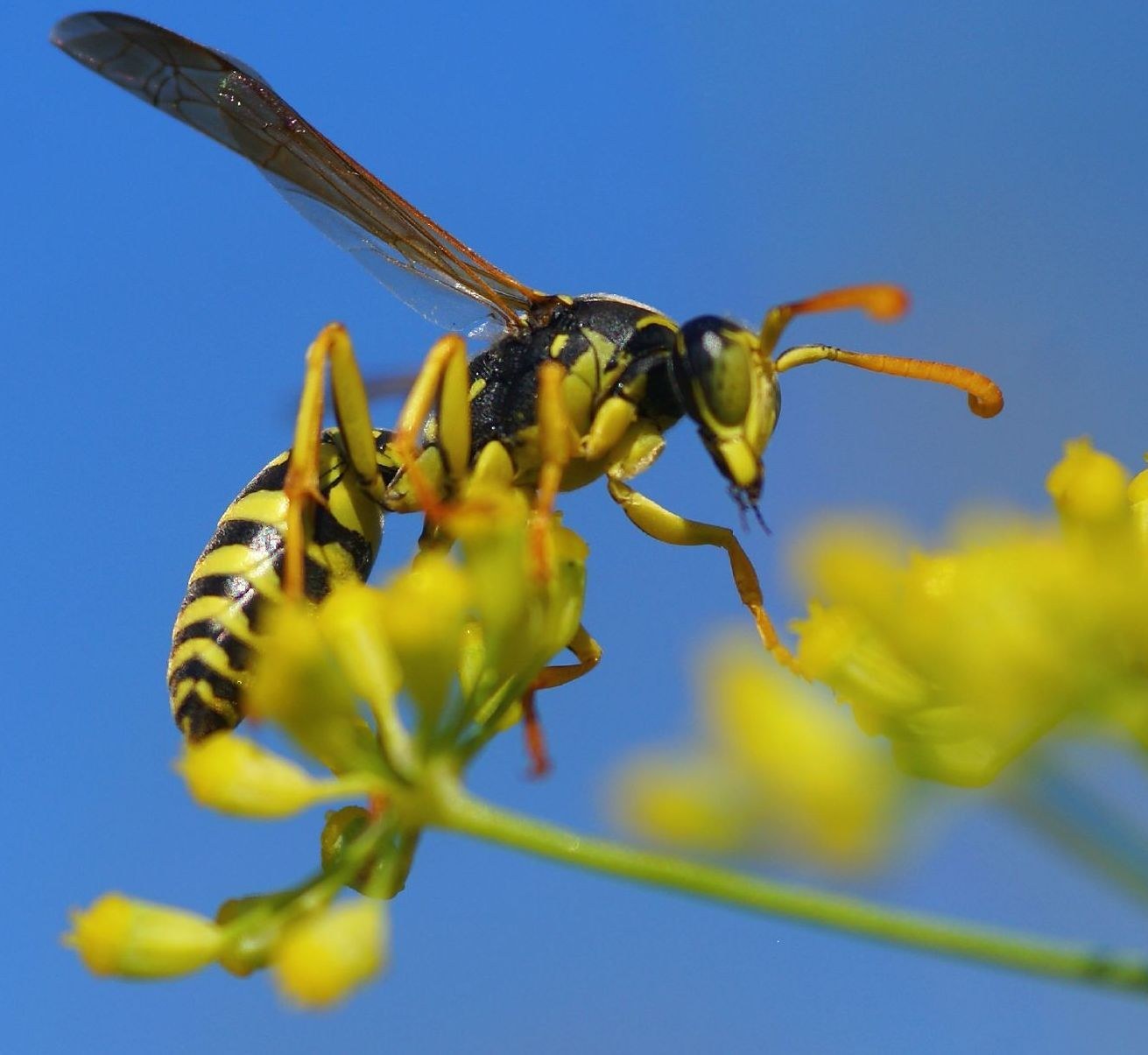
Wasp
Gardens, woodlands, eaves, and urban areas worldwide
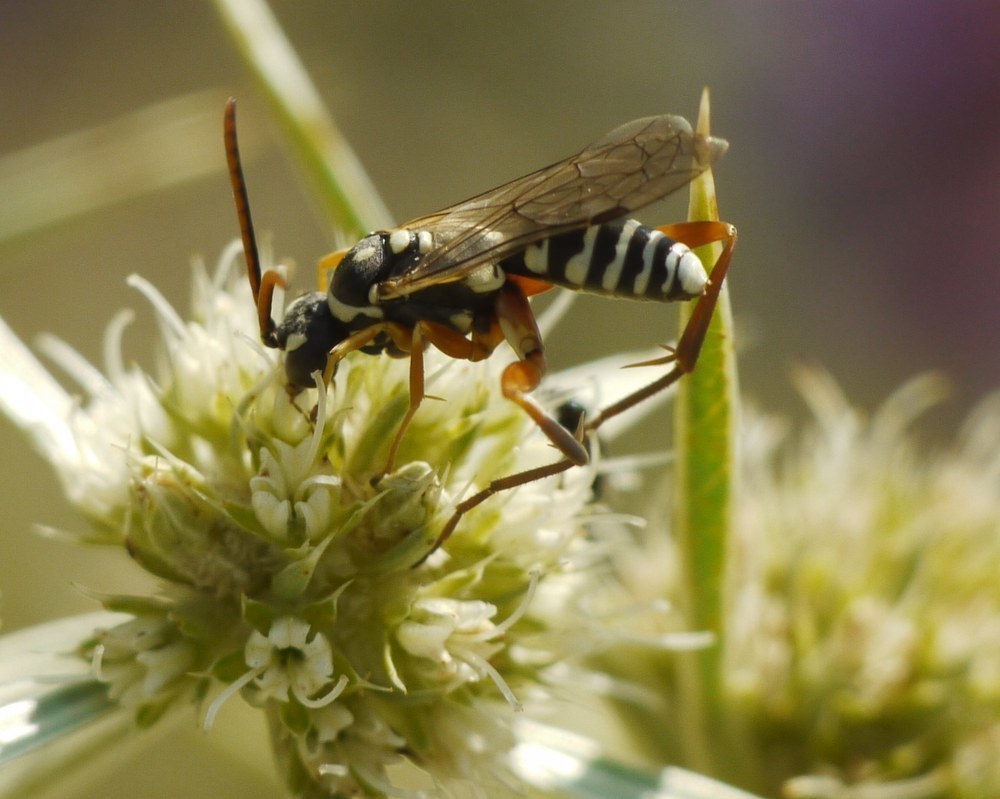
Spider Wasp
Gardens, grasslands, and sandy open areas worldwide
Sawfly
Gardens, woodlands, and orchards on host foliage
Red Paper Wasp
Eaves, porch ceilings, sheds, open woodland edges, gardens
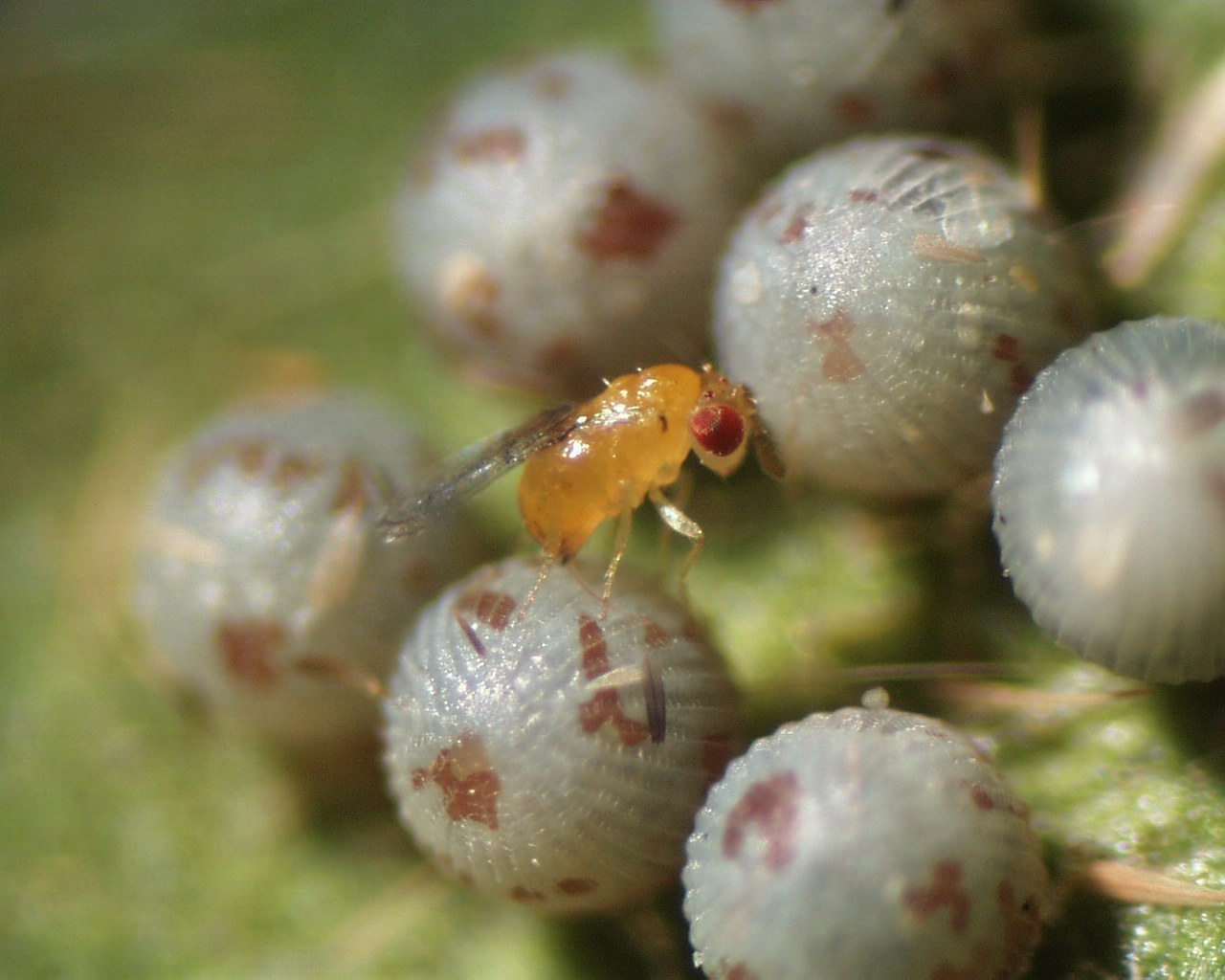
Trichogramma Wasp
Fields, gardens, and crops worldwide
Sand Wasp
Sandy soils, dunes, beaches, and bare open ground