
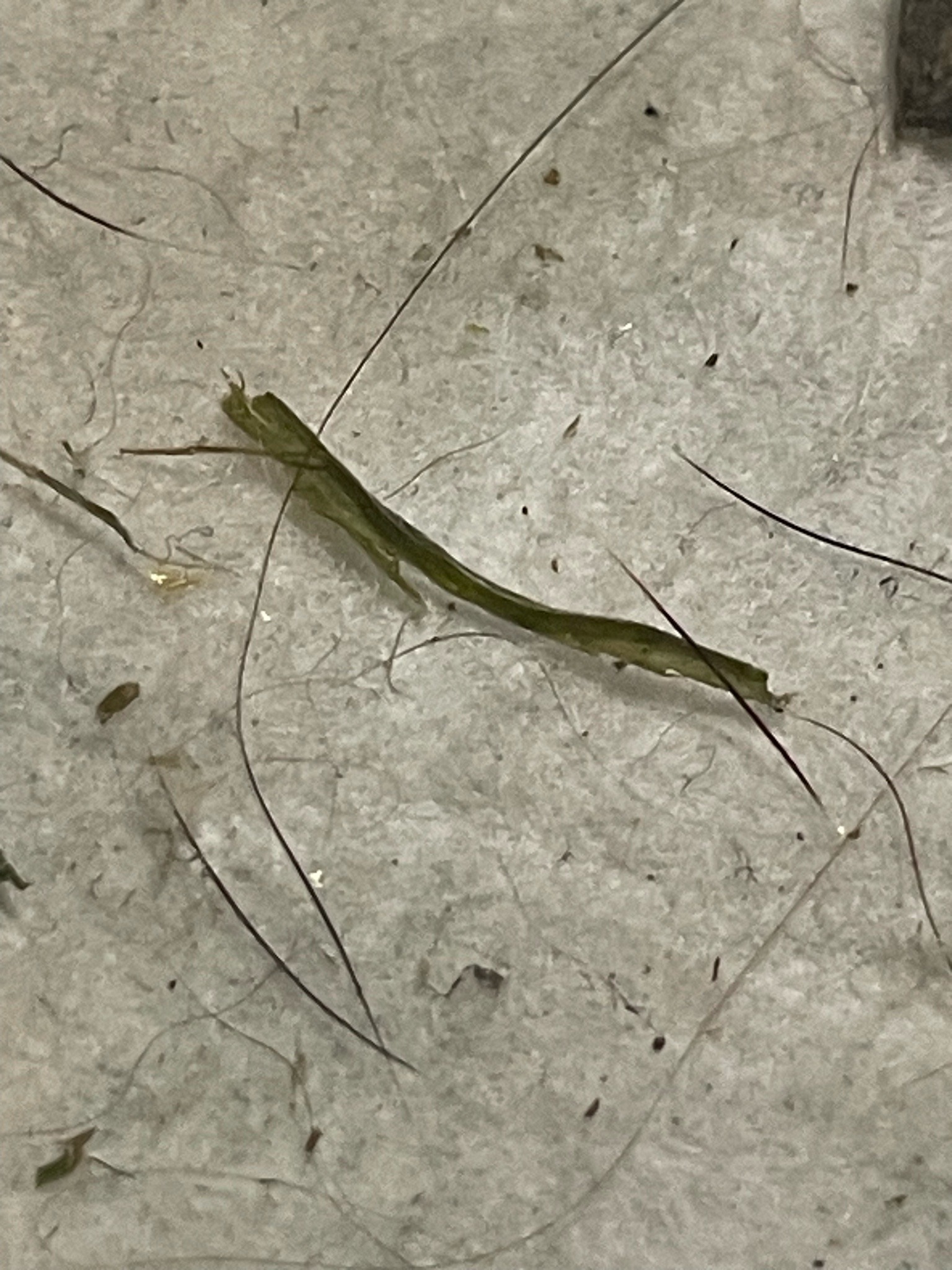
Community identification
Walking stick
Phasmatodea
- Order & Family
- Order: Phasmatodea (Phasmida)
- Size
- Varies widely by species, from around 1.5 inches up to over 12 inches for the largest species.
Natural Habitat
Forests, woodlands, and shrubs where they can easily camouflage among foliage and twigs.
Diet & Feeding
Herbivorous, feeding primarily on the leaves of various trees, shrubs, and vines.
Behavior Patterns
Nocturnal or crepuscular feeding habits, relying heavily on camouflage (mimicking twigs or leaves) and remaining motionless for extended periods to avoid predators.
Risks & Benefits
Completely harmless to humans and do not bite or sting. They can be beneficial as part of the ecosystem food web, though high populations in some forestry settings can occasionally cause minor defoliation.