
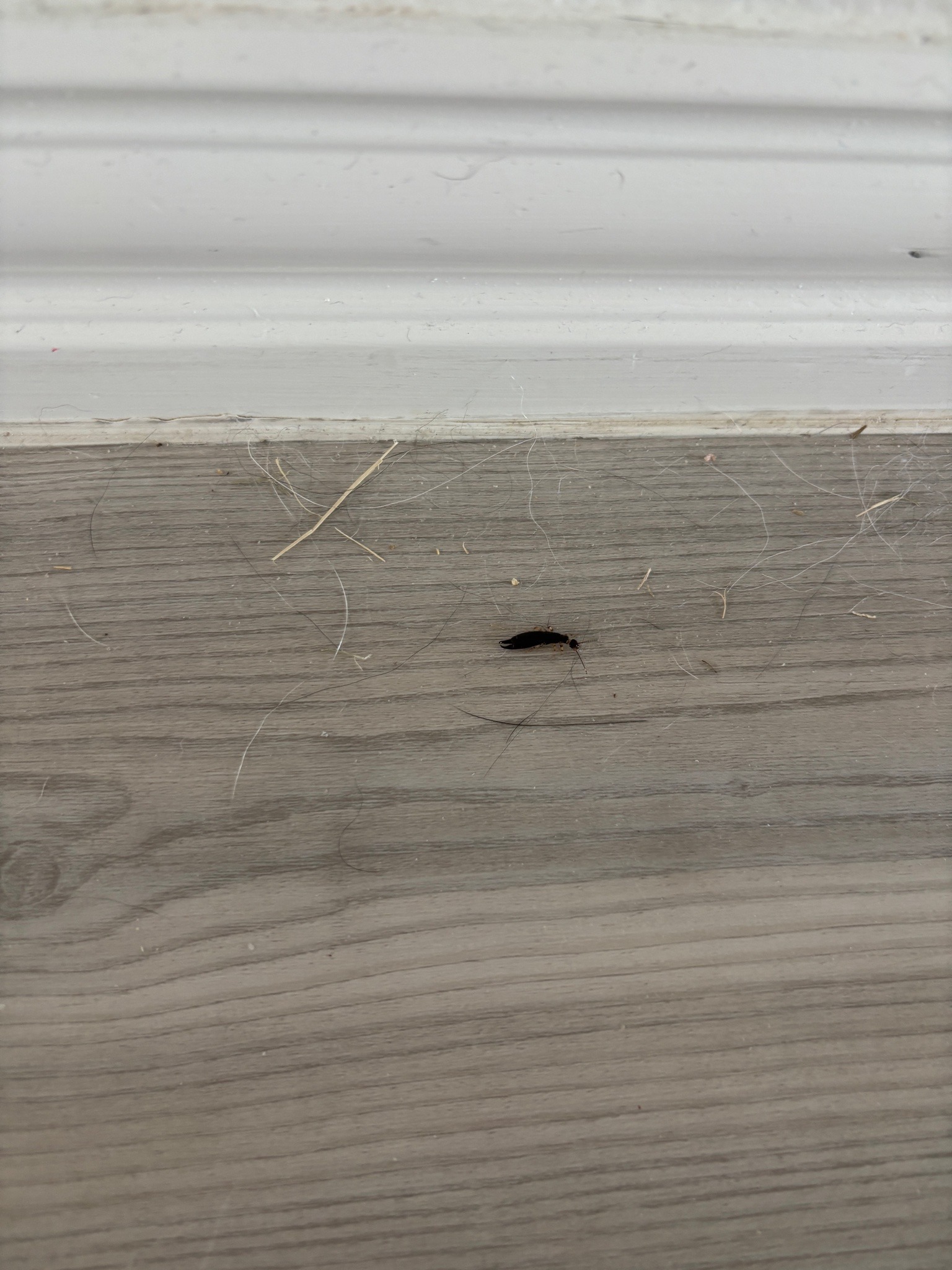
Community identification
European Earwig
Forficula auricularia
- Order & Family
- Order: Dermaptera, Family: Forficulidae
- Size
- 10 to 25 millimeters
Natural Habitat
Moist, cool, dark places outdoors under stones, bark, mulch, and leaf litter; occasionally enters homes seeking moisture or shelter.
Diet & Feeding
Omnivorous, feeding on decaying organic matter, plants, insects, and occasionally living plant shoots or fruit.
Behavior Patterns
Nocturnal insects that hide during the day. They use their characteristic abdominal pincers (cerci) for defense, capturing prey, and mating. Females show maternal care by guarding their eggs.
Risks & Benefits
Earwigs do not transmit diseases and are generally harmless to humans, though they can pinch defensively if handled. They can be garden pests by damaging soft fruits and flowers, but they also help control other pest insects like aphids.