
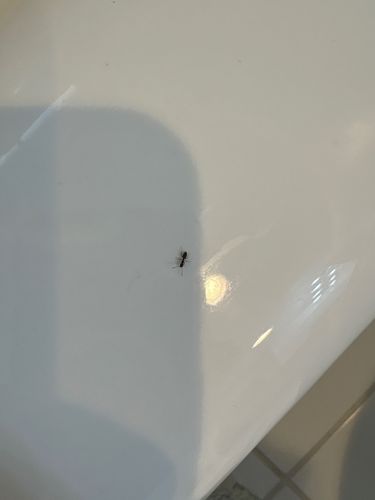
Community identification
Ghost Ant
Tapinoma melanocephalum
- Order & Family
- Hymenoptera: Formicidae
- Size
- 1.3 to 1.5 mm
Natural Habitat
Indoor environments such as kitchens and bathrooms (near moisture), and outdoor tropical/subtropical landscapes.
Diet & Feeding
Honeydew from aphids, sweet substances, and occasionally small insects.
Behavior Patterns
They are highly mobile, often forming multiple sub-colonies; they are known for their 'ghost-like' appearance due to their transparent abdomen and legs.
Risks & Benefits
Primarily a nuisance household pest that can contaminate food; they do not sting or cause structural damage but are difficult to eradicate due to multiple queens.