
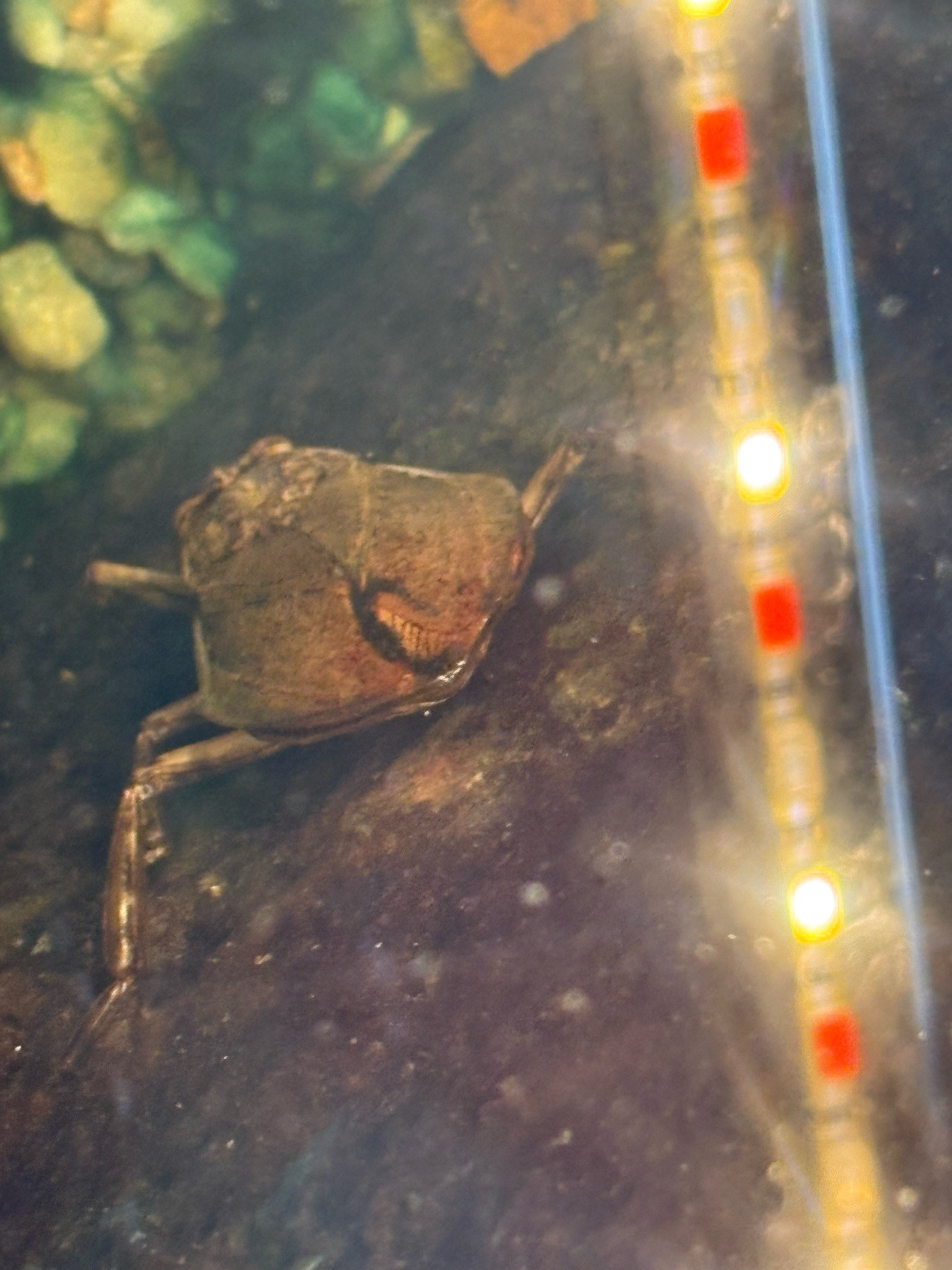
Dragonfly Nymph (Dragonfly Larva)
Anisoptera (infraorder)
- Order & Family
- Order Odonata, Suborder Anisoptera (Families include Aeshnidae, Libellulidae, Cordulegastridae, etc.)
- Size
- 1.5 to 5 cm (0.6 to 2 inches) depending on species and growth stage.
Natural Habitat
Freshwater environments such as ponds, lakes, slow-moving streams, and wetlands, usually clinging to submerged rocks, vegetation, or aquatic debris.
Diet & Feeding
Carnivorous predator feeding on aquatic insects, mosquito larvae, tadpoles, small crustaceans, and even small fish using a hinged lower jaw (labium).
Behavior Patterns
Aquatic ambush predators that rely on camouflage. They breathe through rectal gills and can propel themselves forward in bursts of water jet propulsion from their abdomen. They undergo incomplete metamorphosis, shedding their exoskeleton multiple times underwater before crawling out to emerge as winged adults.
Risks & Benefits
Benefits: Highly beneficial biocontrol agents that consume pest larvae like mosquitoes. Risks: Harmless to humans; large species may occasionally nip if handled roughly or prey on tiny aquarium fish/shrimp.