
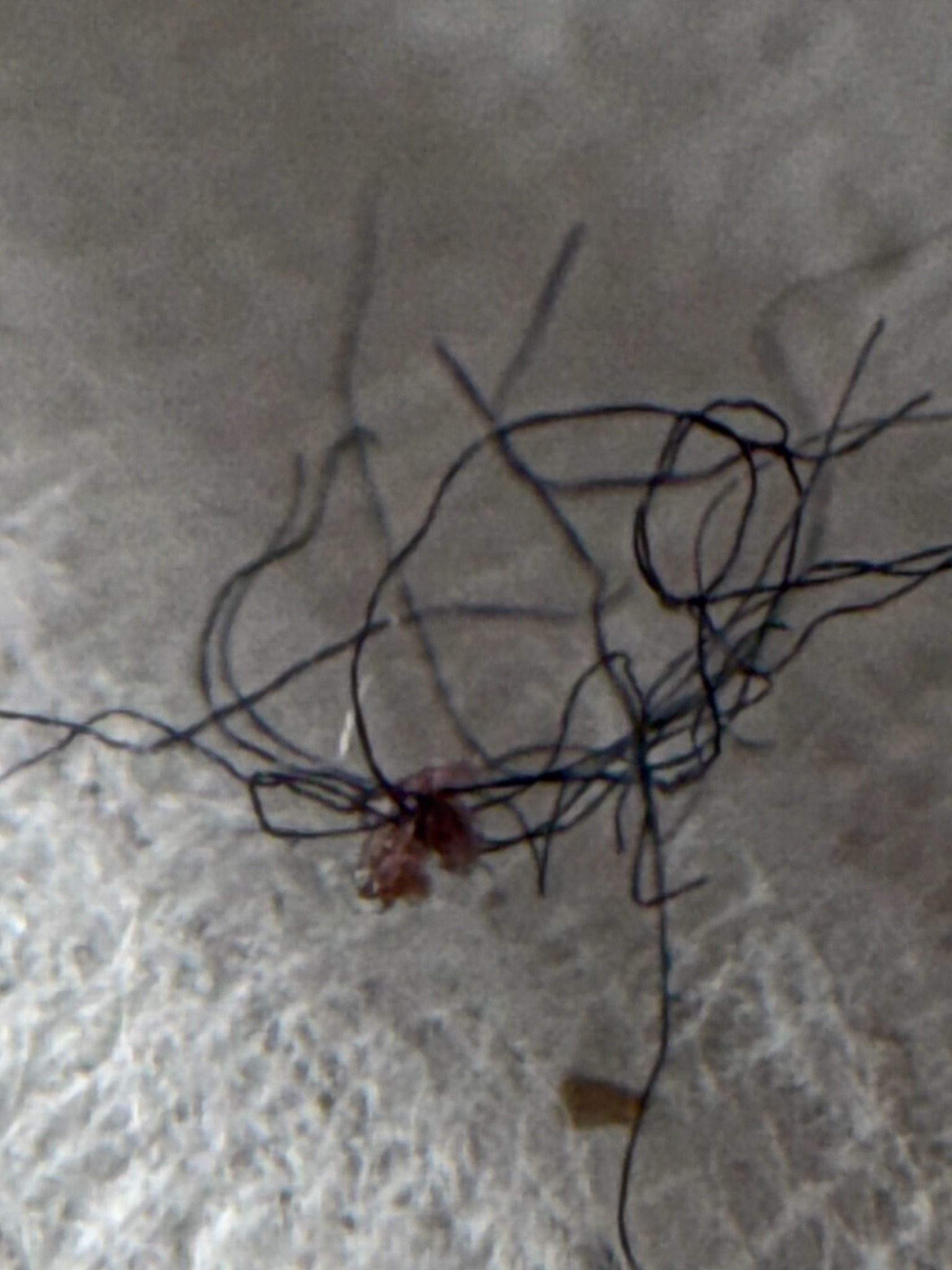
Bed bug (probable common bed bug)
Cimex lectularius
- Order & Family
- Order Hemiptera; family Cimicidae
- Size
- Adults are typically about 4–7 mm long—roughly the size of an apple seed. Nymphs are smaller and pale, becoming reddish after feeding.
Natural Habitat
Primarily indoor environments, especially mattress and box-spring seams, bed frames, upholstered furniture, carpets, wall cracks, and luggage. They hide in narrow crevices near sleeping or resting people.
Diet & Feeding
Feeds almost exclusively on blood, usually from humans but sometimes from other warm-blooded animals. Both nymphs and adults require blood meals for growth or reproduction.
Behavior Patterns
Mostly nocturnal and attracted to body heat and carbon dioxide. They hide during daylight and emerge to feed, often leaving small bites or dark fecal spots. Females lay eggs in protected cracks; several immature stages occur before adulthood. They can survive for extended periods without feeding and are commonly transported in luggage, clothing, and used furniture.
Risks & Benefits
Bites can cause itchy red welts, allergic reactions, and disturbed sleep, but common bed bugs are not generally considered proven transmitters of human disease. They provide little meaningful ecological benefit indoors. The identification is probable rather than definitive because the insect in the photograph is partially obscured and out of focus; a clear close-up showing the body shape, legs, and antennae would improve confidence.