
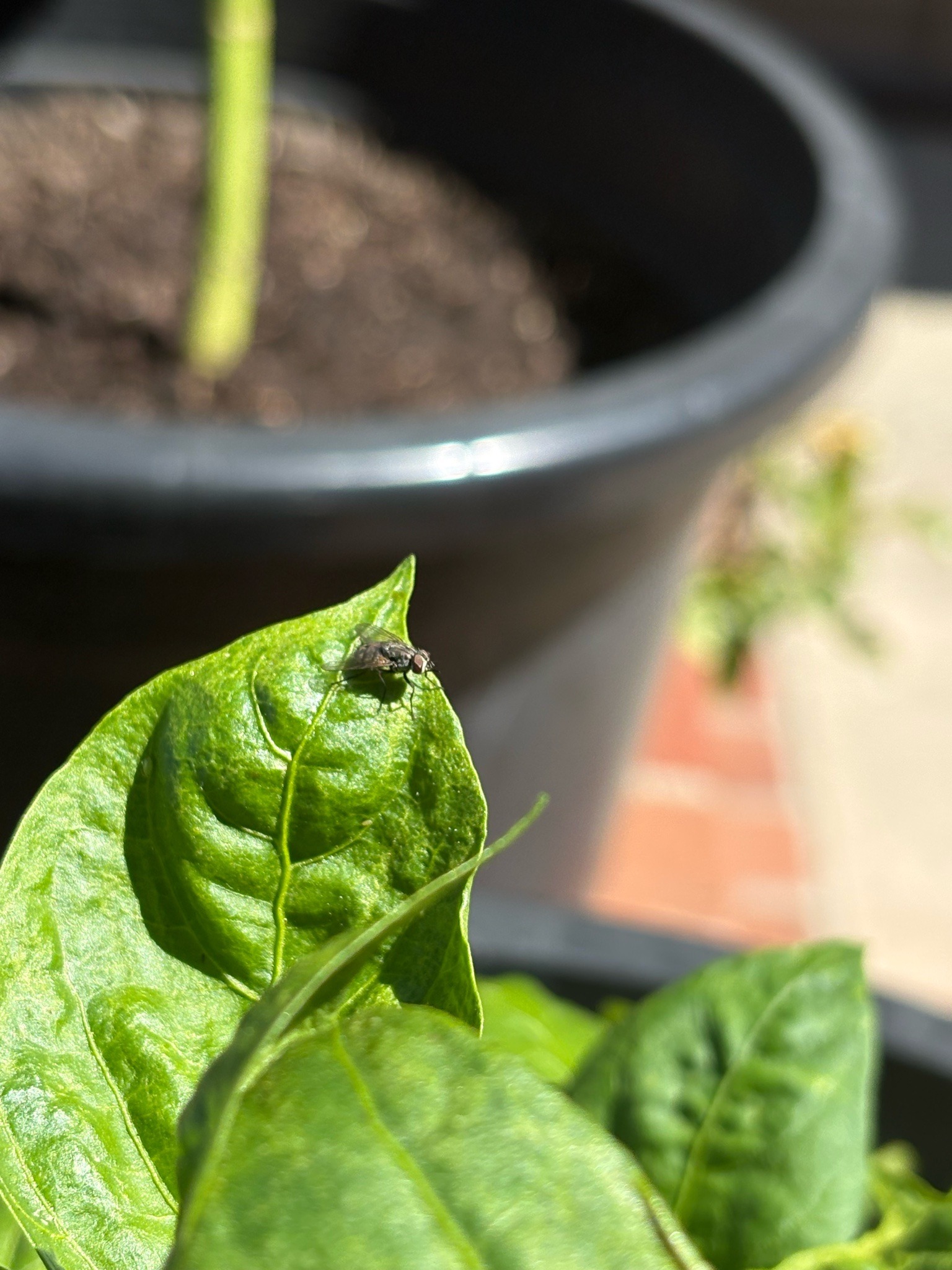
Community identification
House Fly
Musca domestica
- Order & Family
- Diptera: Muscidae
- Size
- 5 to 8 mm (0.2 to 0.3 inches) long
Natural Habitat
Ubiquitous near human activity, farms, gardens, garbage areas, and animal facilities globally.
Diet & Feeding
Feeds on liquid or soluble organic matter, including decaying vegetation, food scraps, manure, and sugary liquids like nectar or spilled juices.
Behavior Patterns
Diurnal insects that rely on vision and sense of smell to locate food. They reproduce rapidly, laying eggs in moist organic debris which hatch into larvae (maggots) within a day.
Risks & Benefits
Risks: Significant health hazard as mechanical vectors for numerous pathogens and diseases including Salmonella, E. coli, cholera, and typhoid fever due to landing on waste before food. Benefits: Adult flies can act as minor pollinators, while larvae help decompose organic matter.