
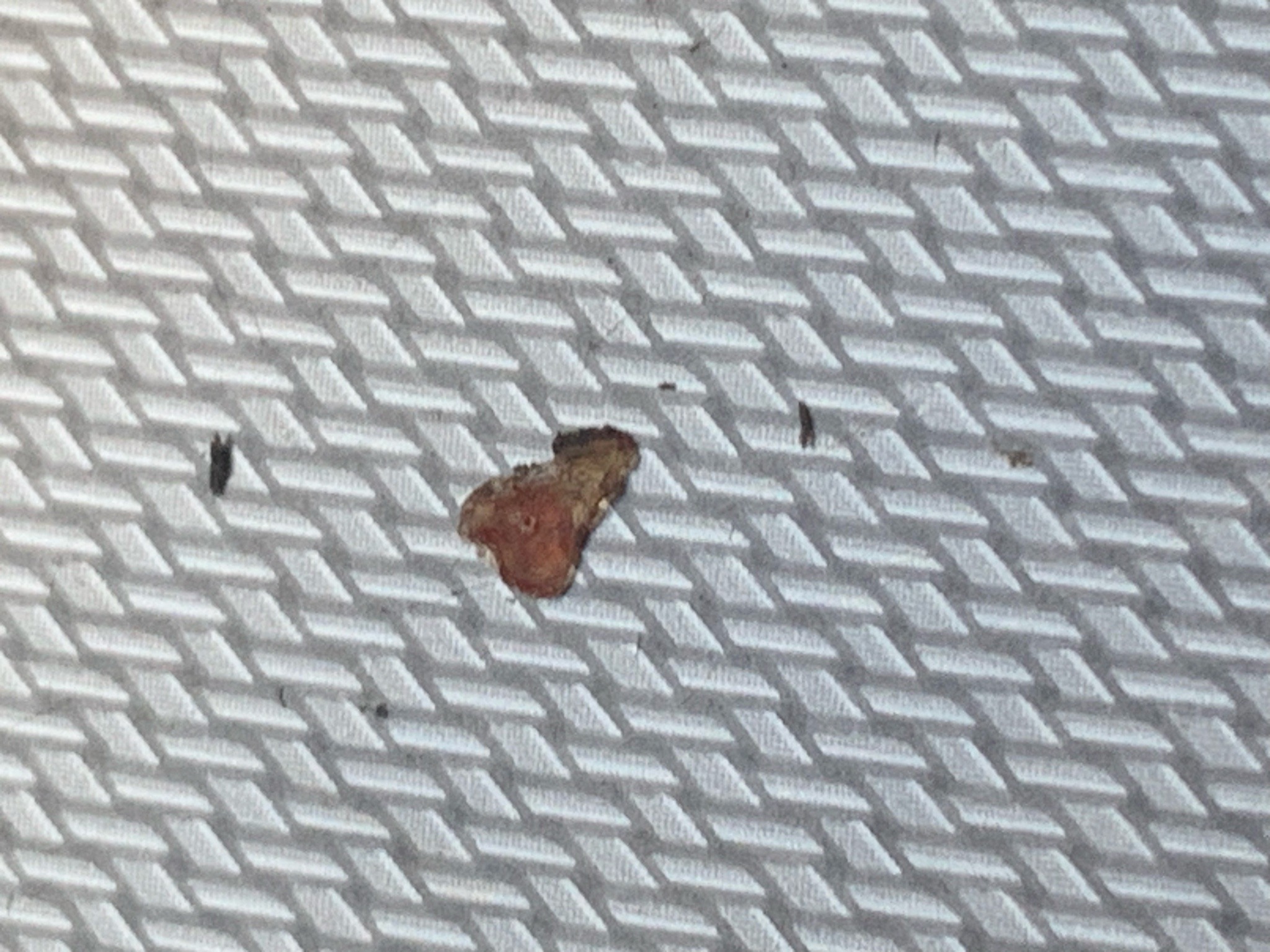
Community identification
Small brown moth (likely a pantry moth)
Plodia interpunctella
- Order & Family
- Lepidoptera; family Pyralidae
- Size
- Adults have a wingspan of about 14–20 mm; larvae reach roughly 10–12 mm.
Natural Habitat
Homes, kitchens, food-storage areas, warehouses, and bird or rodent nests where dry foods accumulate.
Diet & Feeding
Larvae consume stored dry foods such as grains, flour, cereals, nuts, seeds, dried fruit, and pet food; adults generally do not feed.
Behavior Patterns
Adults are mostly nocturnal and often rest with wings folded roof-like. Females lay eggs near food, and larvae spin silk webbing while feeding before pupating in cracks or secluded areas.
Risks & Benefits
They contaminate stored food with webbing, droppings, and larvae but do not bite or sting. They provide minor food-web value as prey for spiders, birds, and parasitoid wasps.