
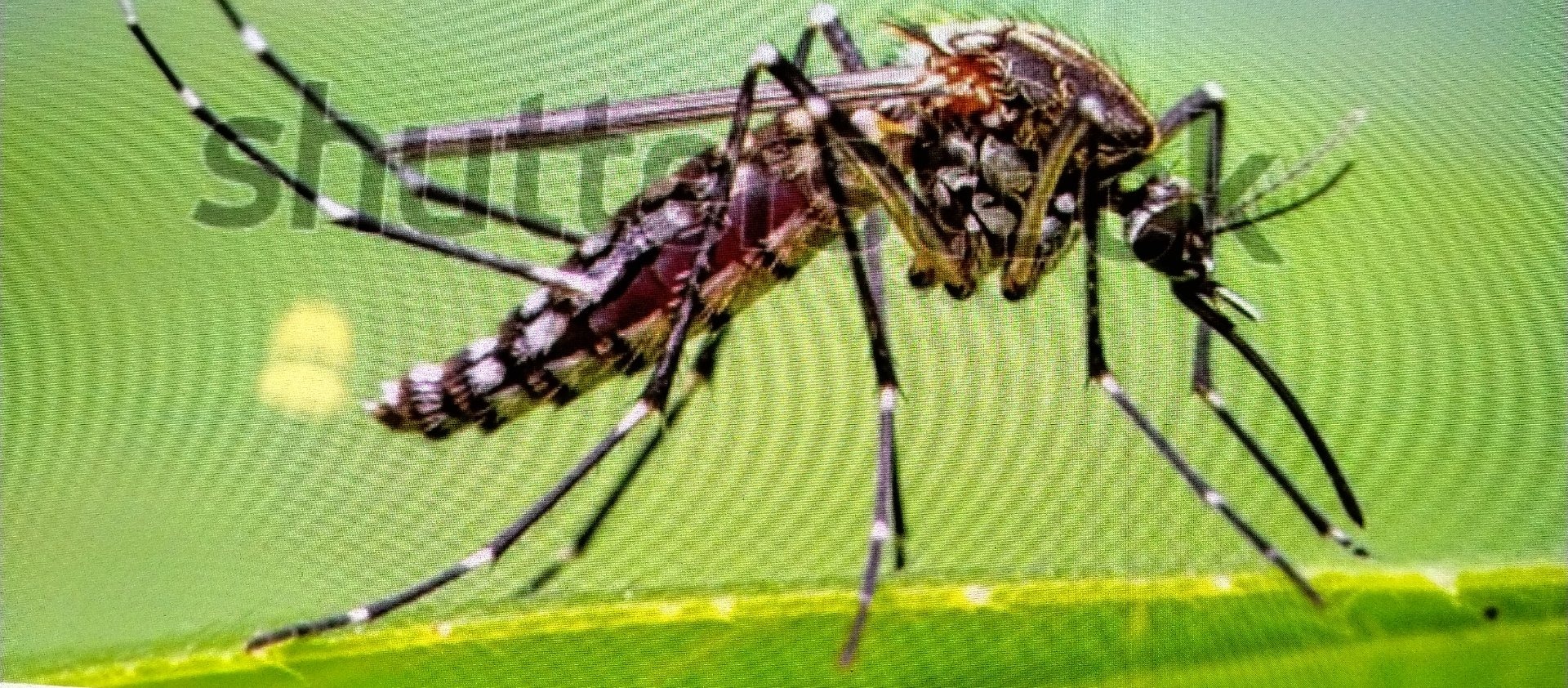
Mosquito (likely an Anopheles mosquito)
Anopheles stephensi (tentative)
- Order & Family
- Diptera; Culicidae
- Size
- About 4–6 mm in body length; legs make the insect appear much larger.
Natural Habitat
Vegetated freshwater margins and urban areas with artificial water containers; the image alone cannot establish geography. The supplied timestamp is August 16, but no location was provided, so range and seasonality cannot be verified.
Diet & Feeding
Females take blood meals from humans and other vertebrates to develop eggs; both sexes also feed on nectar and plant sugars.
Behavior Patterns
Typically active around dusk, night, and dawn. Anopheles often rests with its body angled upward from the surface, and females lay eggs in water; multiple species are visually similar.
Risks & Benefits
Some Anopheles species transmit malaria, while others are not important vectors; exact risk depends on species and region. Adults are also prey for spiders, fish, bats, and other insectivores.