
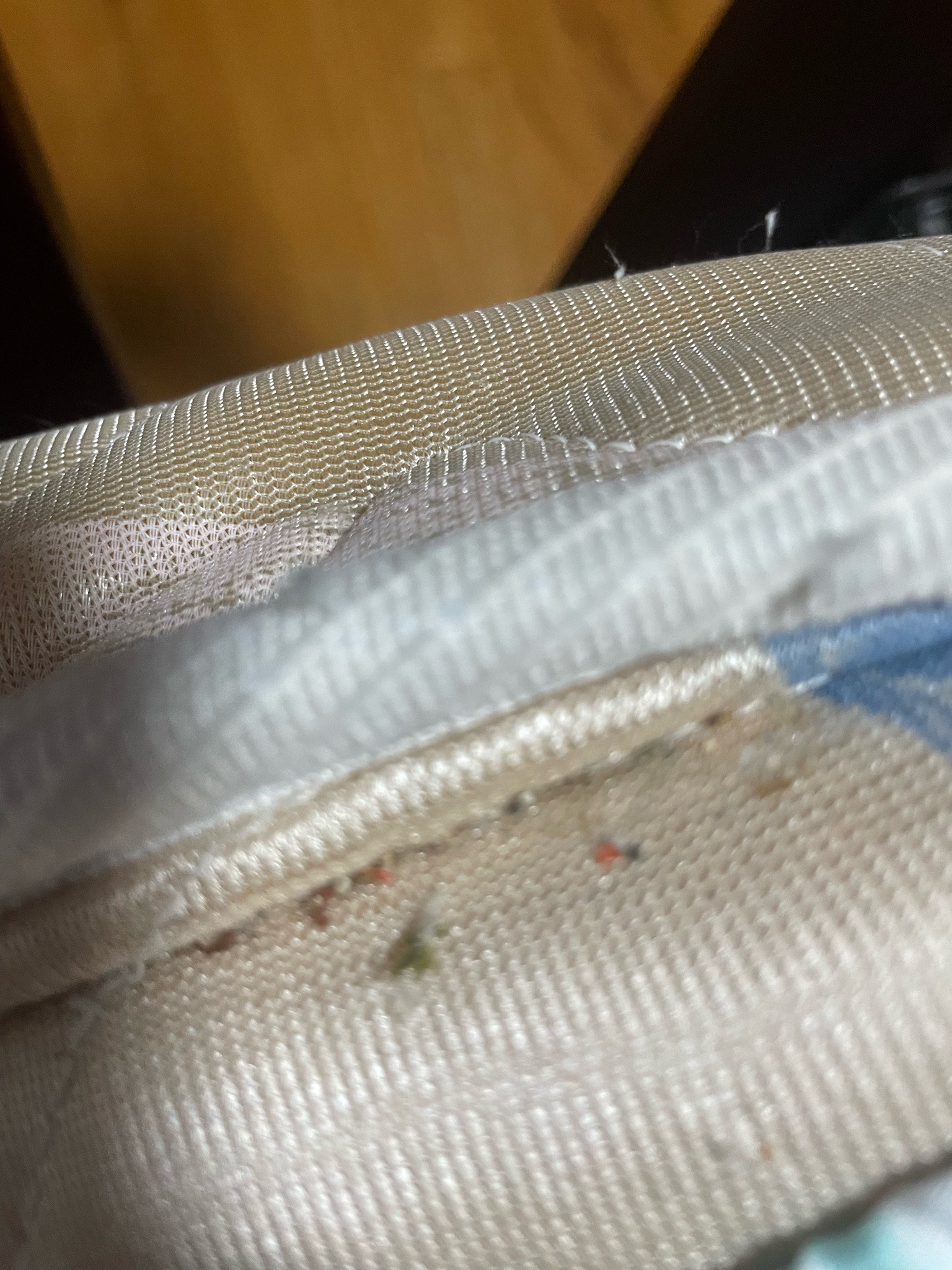
Community identification
Bed Bug
Cimex lectularius
- Order & Family
- Hemiptera / Cimicidae
- Size
- 4 to 5 mm (about 3/16 inch) long when full-grown; tiny translucent eggs and nymphs starting at 1.5 mm.
Natural Habitat
Human dwellings, specifically in and around sleeping areas such as mattress seams, bed frames, box springs, headboards, and cracks in furniture.
Diet & Feeding
Obligate blood-feeders, primarily targeting humans during sleep, but can also feed on other warm-blooded animals.
Behavior Patterns
Nocturnal and secretive; they hide in dark crevices during the day and emerge at night attracted by host body heat and carbon dioxide. Females lay hundreds of eggs in seams and cracks.
Risks & Benefits
Risks: Infestations cause itchy bite marks, potential secondary skin infections from scratching, allergic reactions, insomnia, and psychological distress. They do not transmit human pathogens. Benefits: None in human environments.