
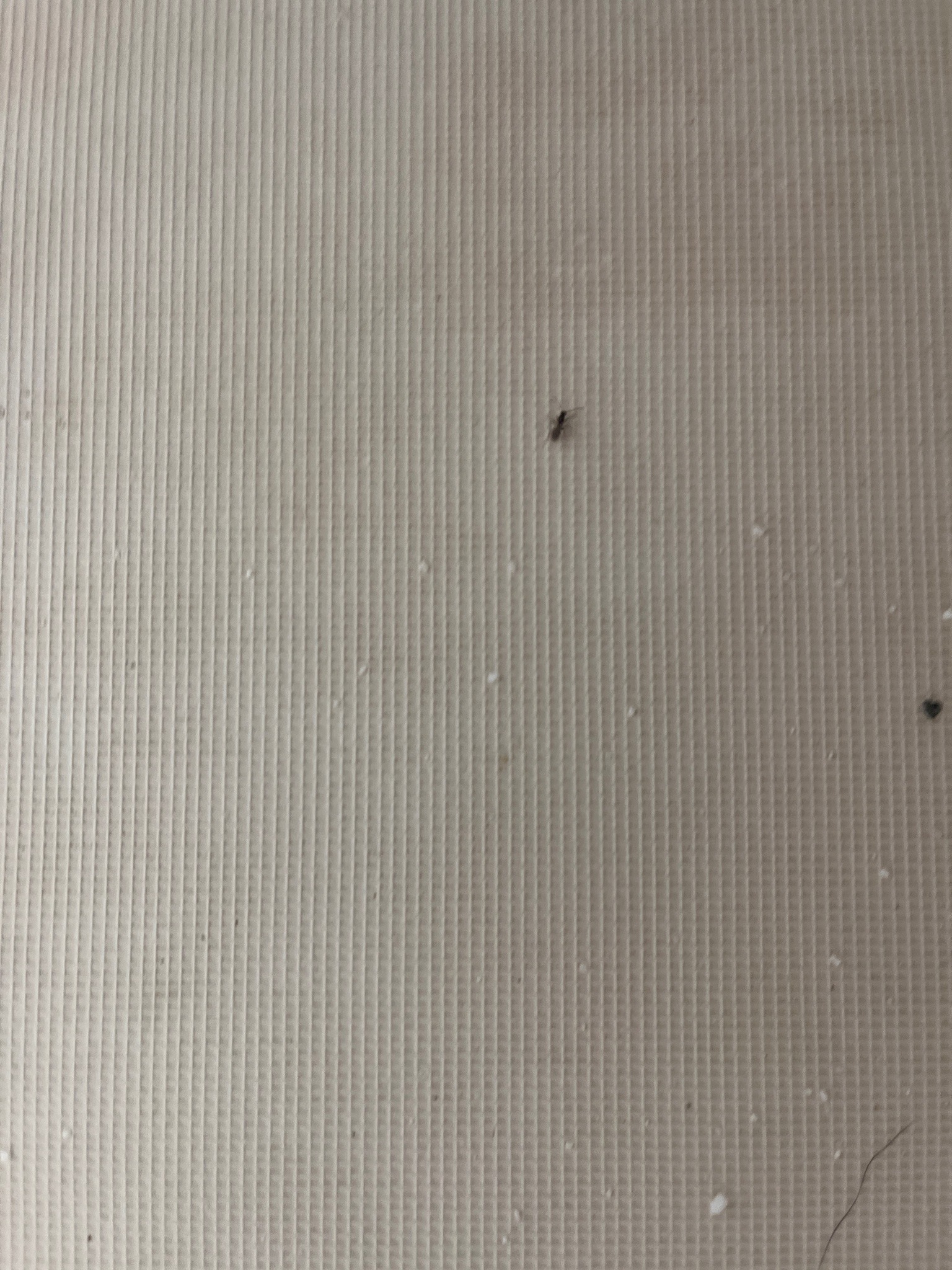
Community identification
Ghost Ant
Tapinoma melanocephalum
- Order & Family
- Hymenoptera, Formicidae
- Size
- 1.3 to 1.5 mm in length
Natural Habitat
Tropical and subtropical regions worldwide, often found indoor in kitchens and bathrooms and outdoor in soil, under bark, or in hollow stems.
Diet & Feeding
Omnivorous; prefers honeydew and other sweet substances, but will also eat protein-rich foods like grease and small insects.
Behavior Patterns
Highly mobile and forms multiple nesting sites; characterized by its rapid, erratic movement when disturbed. They communicate via pheromone trails and can establish large, interconnected colonies.
Risks & Benefits
Primarily considered a nuisance pest in households as they contaminate food products. They do not sting and their bite is usually unnoticeable to humans, but they can occasionally transport pathogenic bacteria in hospital settings.