
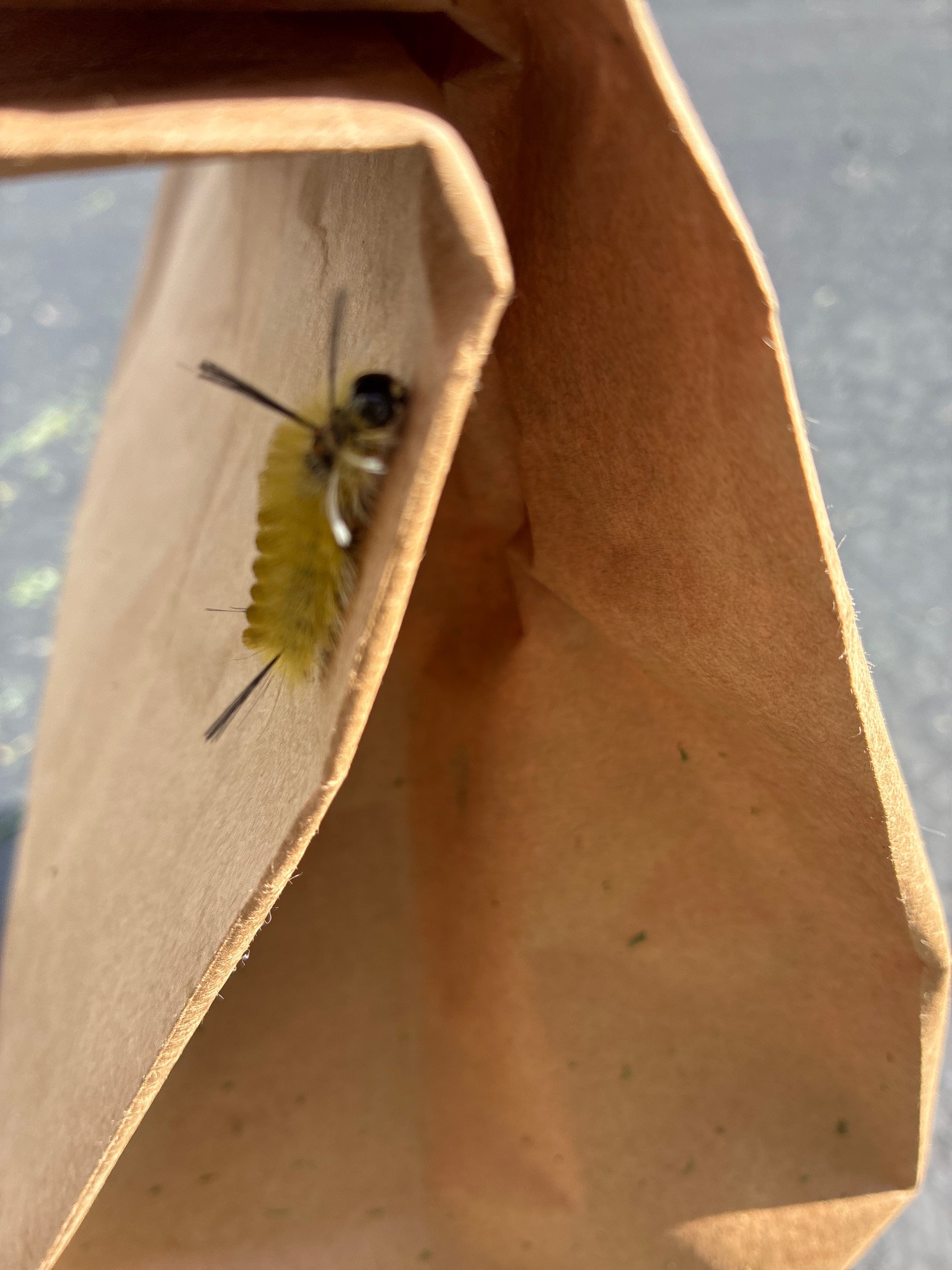
Mayfly nymph (likely a burrowing mayfly)
Ephemera sp.
- Order & Family
- Ephemeroptera, Ephemeridae
- Size
- Nymphs typically reach 15–30 mm; adults commonly measure 15–25 mm, excluding long tails.
Natural Habitat
Immature stages live in sandy or silty bottoms of clean, well-oxygenated freshwater streams, rivers, and lakes. Adults emerge briefly near water and are attracted to light.
Diet & Feeding
Nymphs feed mainly on organic detritus, algae, and fine particles, often filtering or collecting material from sediment. Adults do not feed and survive mainly on stored energy.
Behavior Patterns
Nymphs burrow and swim using abdominal gills; the pictured individual has three tail filaments and may be a mature nymph or emerging adult. Adults live for hours to a few days, mate in swarms, and females lay eggs in water.
Risks & Benefits
Harmless to people and pets; they do not bite or sting. Mayflies are important fish prey and indicators of healthy freshwater, though mass emergences can create nuisance piles around lights.