
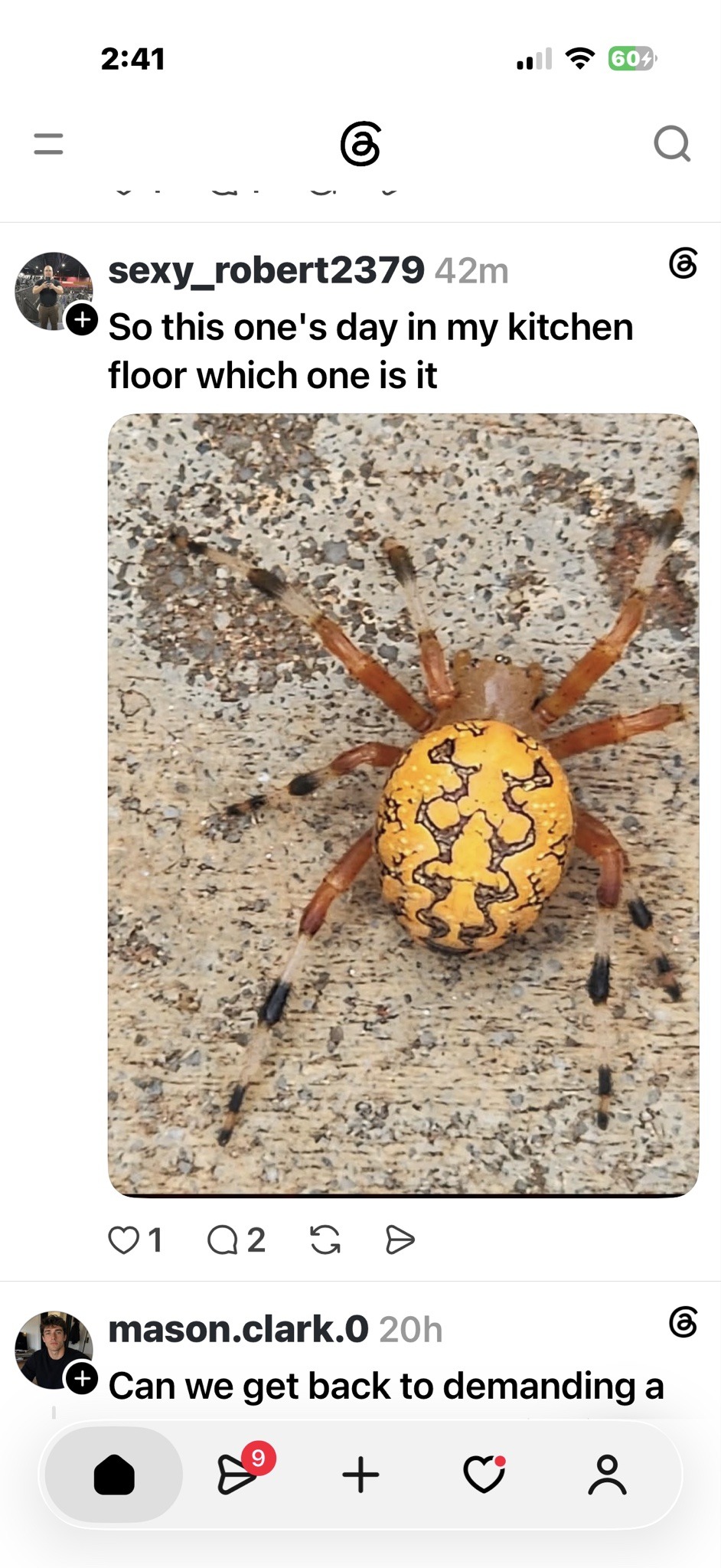
Marbled Orb-weaver
Araneus marmoreus
- Order & Family
- Order: Araneae, Family: Araneidae
- Size
- Females typically range from 9 to 20 mm, while males are smaller, ranging from 6 to 9 mm.
Natural Habitat
Woodlands, forest edges, gardens, and near human structures where they can build webs between trees, shrubs, or buildings.
Diet & Feeding
Insects caught in their orb webs, primarily flying insects such as flies, mosquitoes, moths, and beetles.
Behavior Patterns
They typically build large, vertical orb-shaped webs during late summer and autumn. During the day, they often hide in a retreat made of rolled-up leaves or silk near the edge of the web, holding a signal line connected to the center to detect vibrations from trapped prey.
Risks & Benefits
Benefits include acting as a natural pest control agent by reducing populations of flying insects. They pose virtually no risk to humans; their bite is rare, non-venomous to humans in a dangerous way, and generally no worse than a mild bee sting.