
Community identification
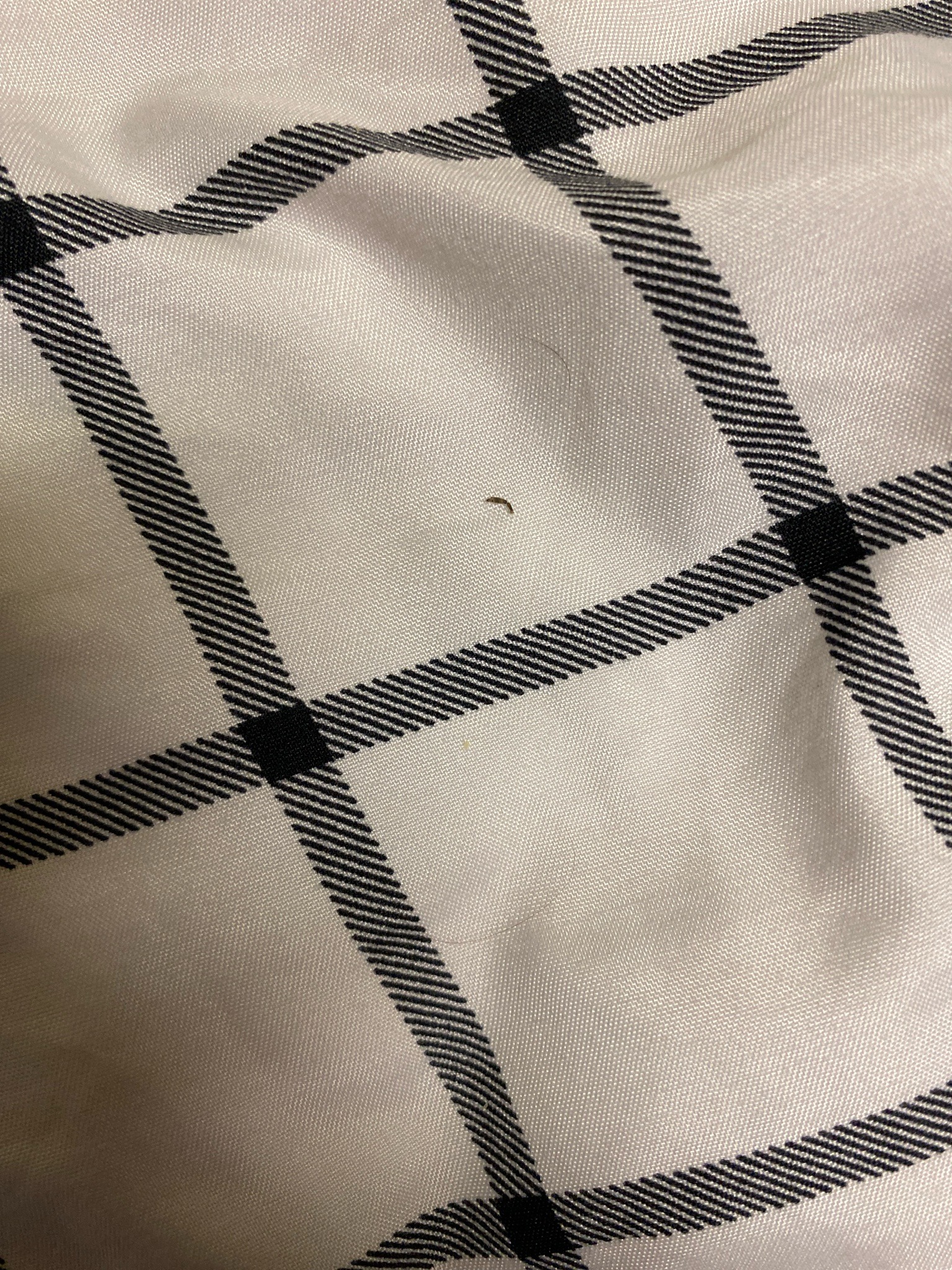
Unidentifiable tiny arthropod (possibly a springtail)
Not determinable from the photograph
- Order & Family
- Possibly Collembola; family cannot be determined
- Size
- Typically 0.5–6 mm; the photographed specimen appears only a few millimeters long.
Natural Habitat
Springtails commonly inhabit damp soil, leaf litter, compost, and humid areas indoors, including around fabrics or houseplants.
Diet & Feeding
Usually feeds on fungi, algae, decaying plant material, and microorganisms; it does not bite or suck blood.
Behavior Patterns
Springtails favor moisture and may jump using a forked appendage called a furcula. They reproduce in moist organic environments and can appear indoors after damp conditions.
Risks & Benefits
They are harmless to people, pets, and fabrics, though large indoor numbers indicate excess moisture. Ecologically, they help decompose organic matter and recycle nutrients.