
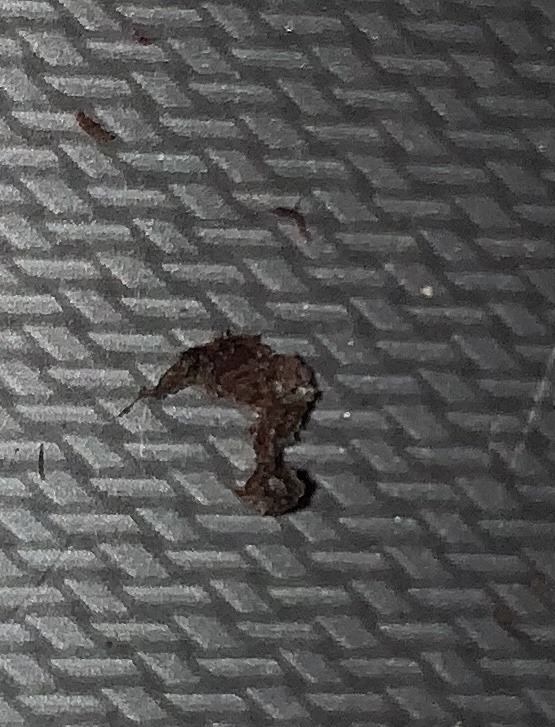
Community identification
Earwig
Likely a common earwig, *Forficula auricularia*
- Order & Family
- Dermaptera; Forficulidae
- Size
- Adults are typically 10–16 mm long, excluding the forceps-like pincers.
Natural Habitat
Moist, sheltered places such as leaf litter, mulch, gardens, crevices, and occasionally buildings. Usually hides under objects during daylight.
Diet & Feeding
Omnivorous and opportunistic: feeds on decaying plant matter, algae, fungi, insects, and soft fruits or seedlings.
Behavior Patterns
Mostly nocturnal and concealed by day. Females guard and clean their eggs and young; adults use rear pincers for defense, mating, and handling prey, not for venomous stinging.
Risks & Benefits
Not dangerous to humans and does not transmit disease; its pincers can give a harmless pinch if handled. It benefits gardens by consuming aphids and decomposing material, though it may occasionally damage tender plants or fruit.