
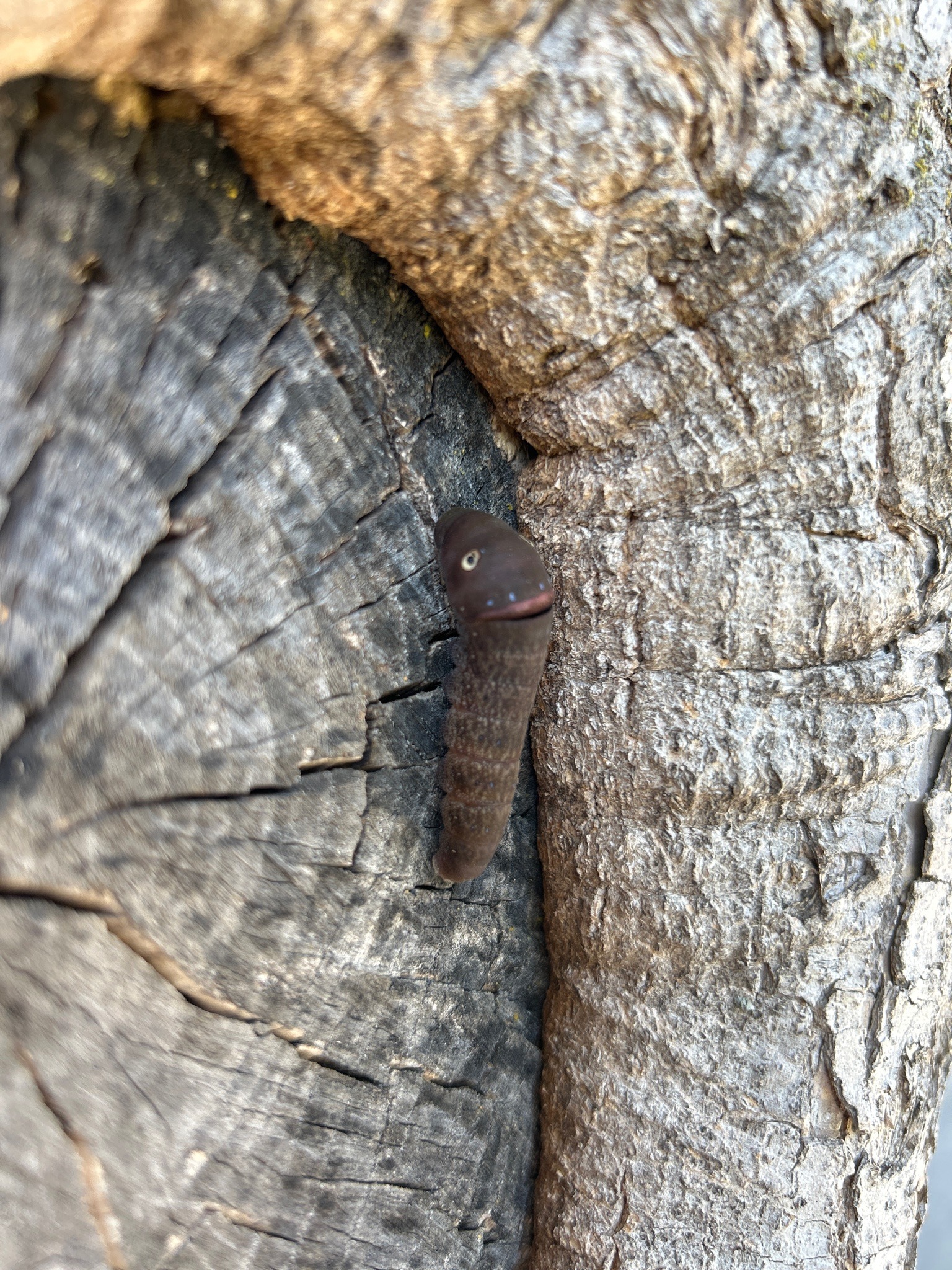
Short-tailed stonefly nymph
Likely Perlidae genus *Acroneuria* or *Perla* (exact identification requires locality and clearer features)
- Order & Family
- Plecoptera, likely Perlidae
- Size
- Nymphs commonly reach 20–40 mm; adults are usually 20–35 mm long.
Natural Habitat
Cool, clean, well-oxygenated streams and rivers, especially beneath stones, logs, and submerged debris. Adults typically remain near stream margins and riparian vegetation.
Diet & Feeding
Large nymphs are predatory, feeding on aquatic insect larvae and other small stream invertebrates. Adults generally eat little or nothing.
Behavior Patterns
Nymphs crawl among stream-bottom debris and molt repeatedly for one to several years before emerging as winged adults. They are mostly nocturnal or shelter-seeking and are sensitive to pollution.
Risks & Benefits
Harmless to humans and do not sting or bite defensively. Their presence indicates good water quality, and they help regulate aquatic-insect populations while serving as fish food.