
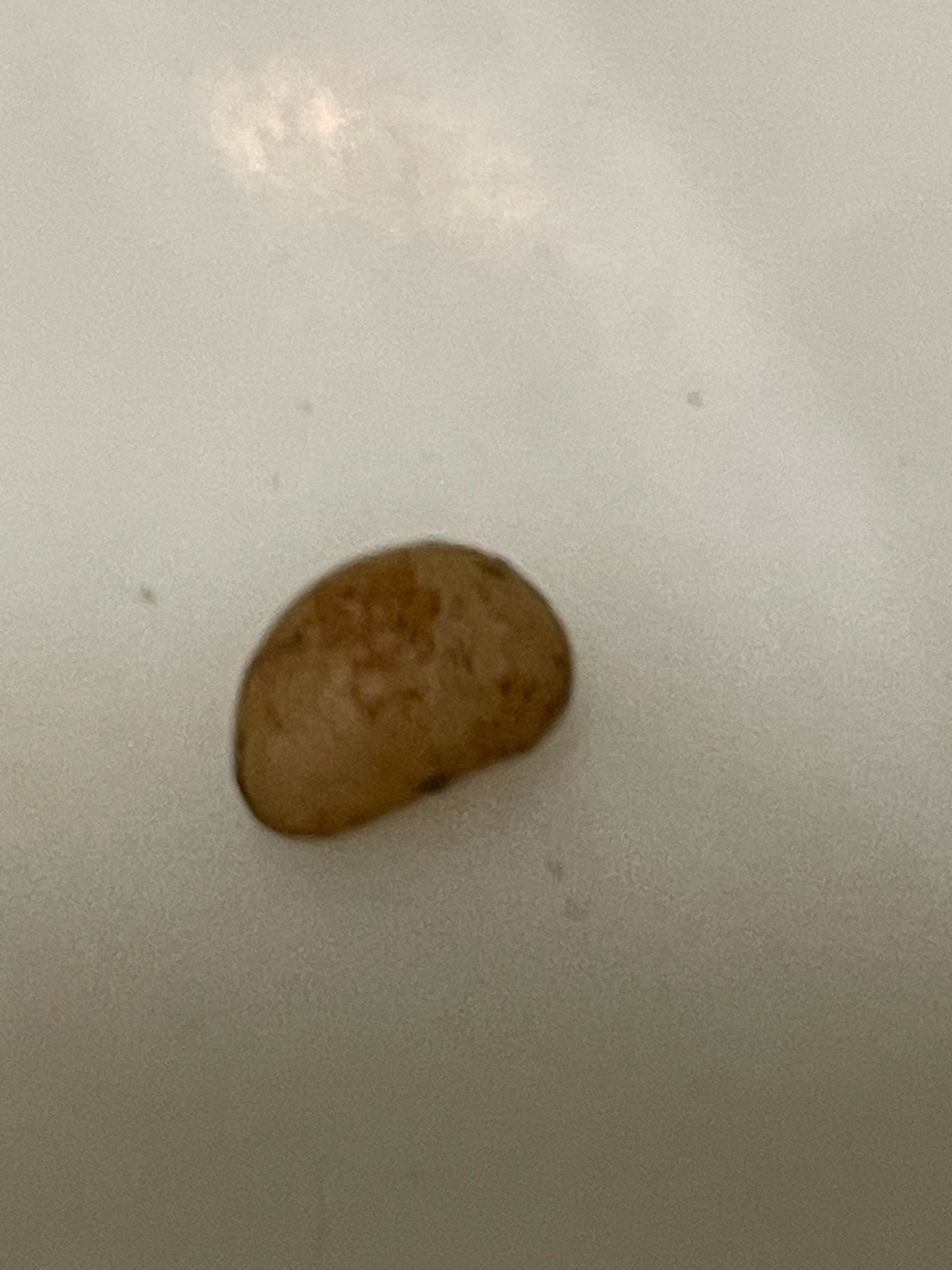
Engorged Dog Tick / Sheep Tick
Ixodes ricinus / Rhipicephalus sanguineus
- Order & Family
- Ixodida, Ixodidae
- Size
- Unfed ticks are 3–5 mm, but fully engorged females expand to 10–15 mm in length.
Natural Habitat
Grassy fields, woodlands, leaf litter, and urban parks; often found attached to host animals such as dogs, wildlife, or humans.
Diet & Feeding
Obligate hematophage; feeds exclusively on the blood of vertebrate hosts (mammals, birds, reptiles).
Behavior Patterns
Engorged ticks detach from their hosts after a blood meal lasting several days. They drop to the ground to molt into the next life stage or, if adult females, lay thousands of eggs before dying. They do not jump or fly.
Risks & Benefits
Risks: Significant vectors of pathogens causing serious diseases including Lyme disease, Anaplasmosis, Babesiosis, and Rocky Mountain spotted fever. Benefits: Minimal ecosystem benefits, serving primarily as a minor food source for certain birds, reptiles, and amphibians.