
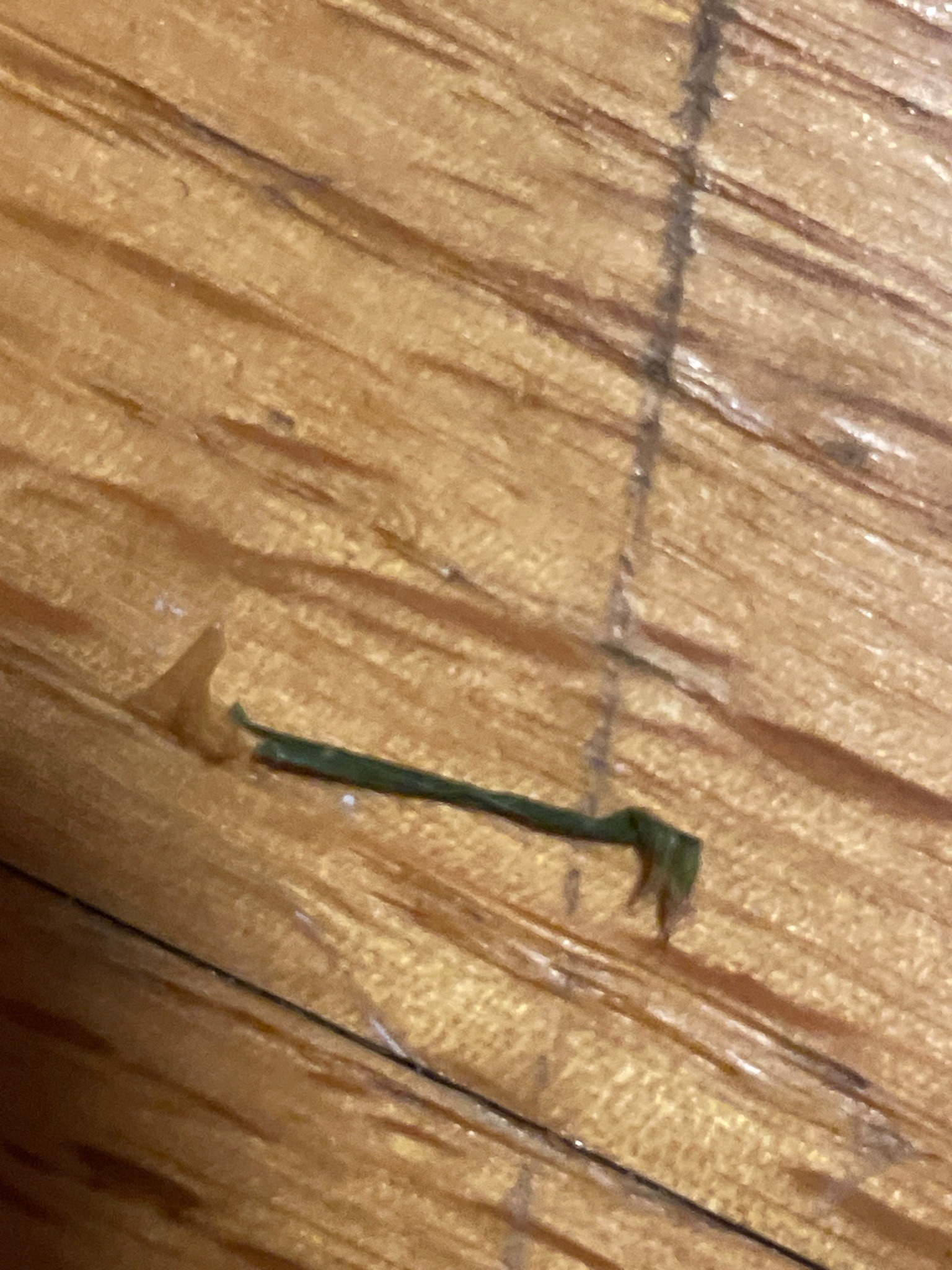
Inchworm (Geometrid Moth Larva)
Family Geometridae
- Order & Family
- Order: Lepidoptera, Family: Geometridae
- Size
- 10 mm to 50 mm (0.4 inches to 2 inches) depending on the specific species and stage of development.
Natural Habitat
Forests, woodlands, gardens, and agricultural areas, commonly found on trees, shrubs, and herbaceous plants.
Diet & Feeding
Herbivorous, feeding primarily on the leaves, buds, and flowers of a wide variety of deciduous and coniferous trees, shrubs, and other plants.
Behavior Patterns
They move with a distinctive looping motion by drawing their hind legs close to their front legs, creating a loop with their body, and then stretching forward. They often mimic twigs or stems to avoid predators and may drop from branches on silken threads when disturbed.
Risks & Benefits
Risks: Outbreaks of certain species can cause significant defoliation in forests and orchards, damaging trees and crops. Benefits: They serve as an important food source for birds, spiders, and other predatory insects, playing a vital role in the food web.