
Community identification
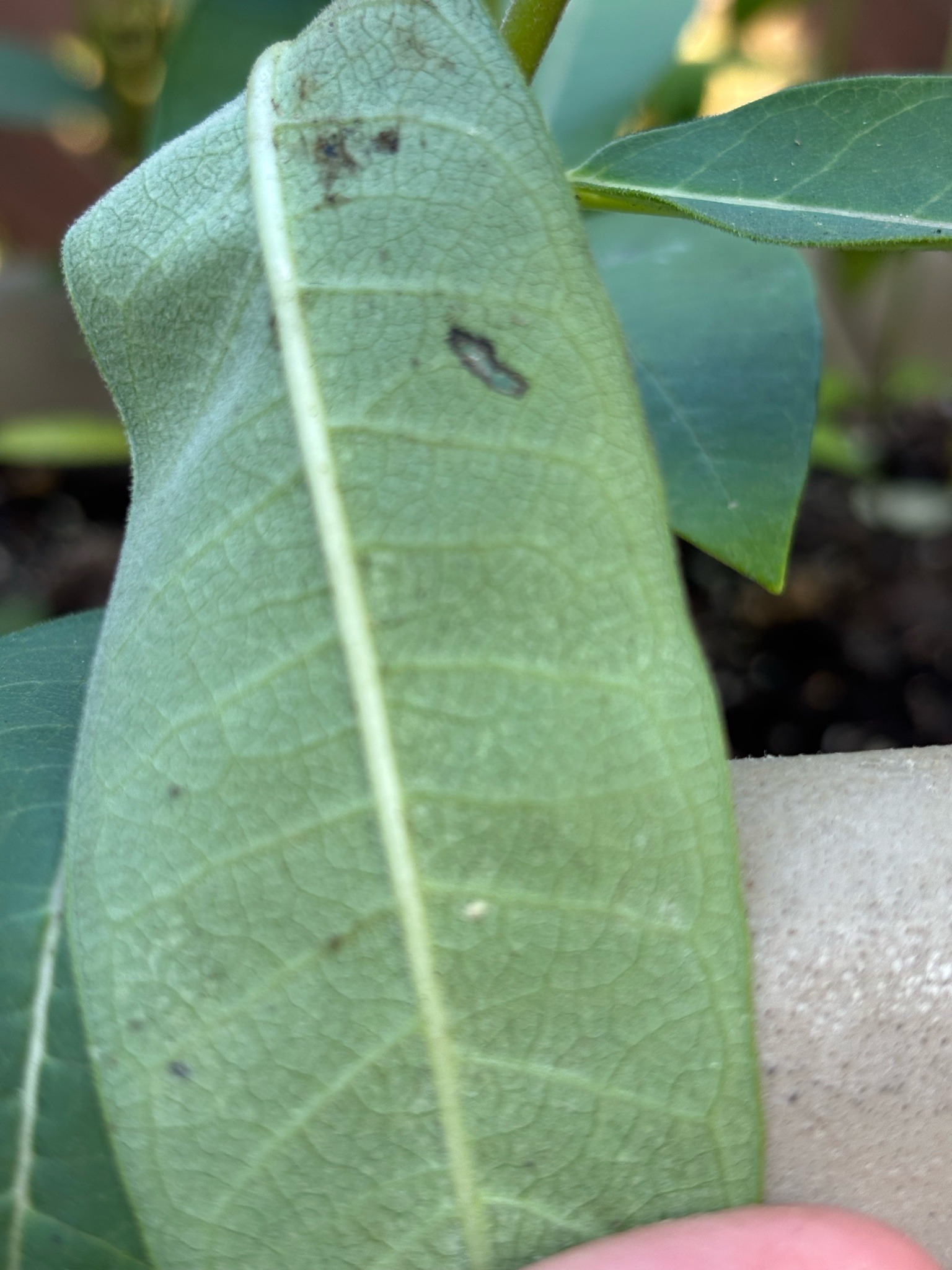
Whitefly nymph (likely citrus or greenhouse whitefly)
Aleyrodidae; species uncertain from image
- Order & Family
- Hemiptera, family Aleyrodidae
- Size
- Immature nymphs are about 0.5–1.5 mm; adults are roughly 1–3 mm long.
Natural Habitat
Undersides of leaves, especially on citrus, ornamentals, vegetables, and greenhouse plants in warm climates.
Diet & Feeding
Nymphs and adults suck phloem sap, causing leaf weakening; they may also excrete sticky honeydew that supports sooty mold.
Behavior Patterns
Nymphs remain largely immobile on leaf undersides, passing through scale-like stages; winged adults disperse when disturbed. Populations increase rapidly in warm conditions.
Risks & Benefits
They can yellow leaves, reduce vigor, transmit some plant viruses, and promote sooty mold. They are generally harmless to humans and serve as prey for lady beetles, lacewings, and parasitoid wasps.