
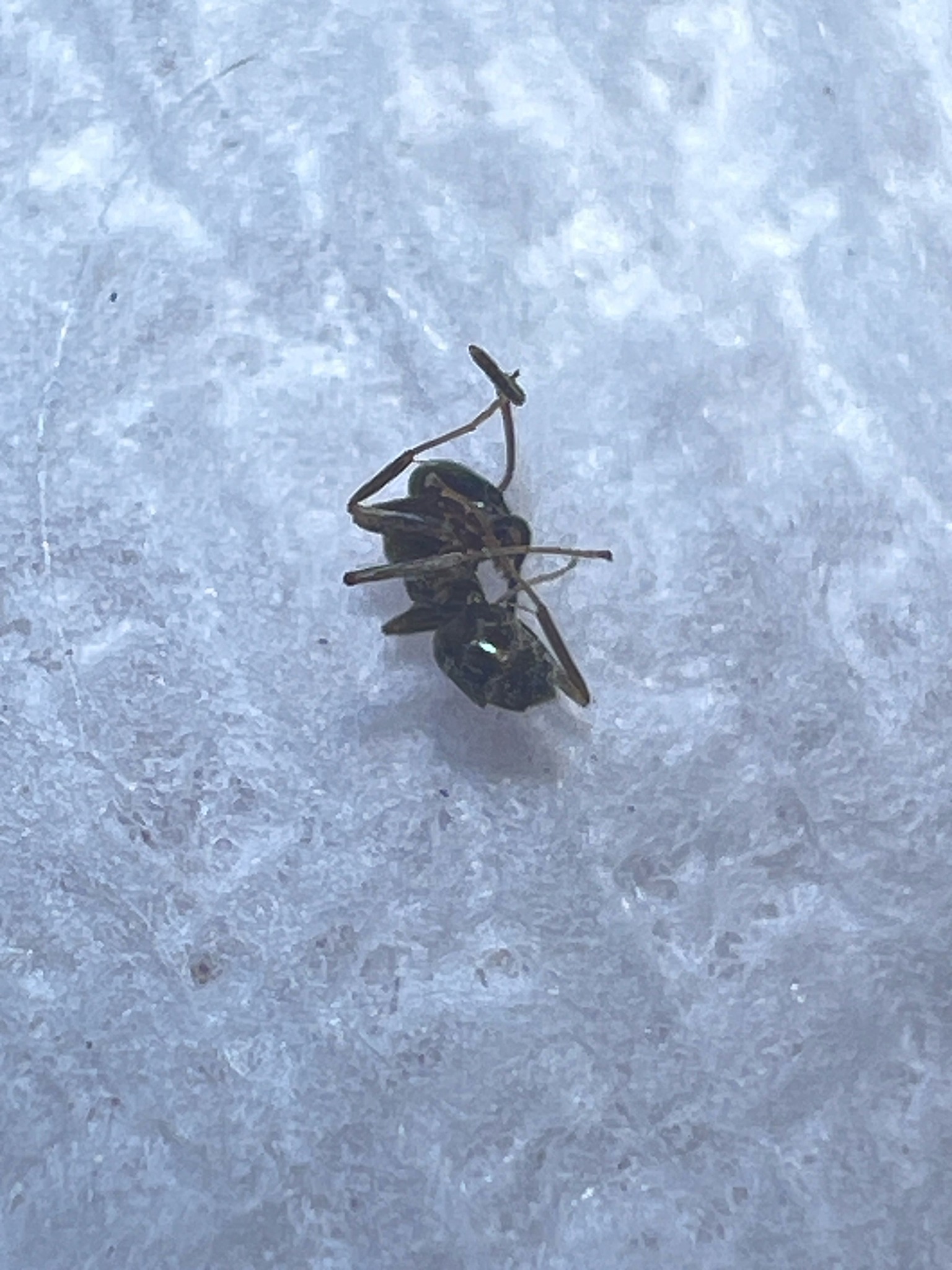
Community identification
Longhorn beetle (likely a pine sawyer)
Monochamus sp.
- Order & Family
- Coleoptera; Cerambycidae
- Size
- Usually 15–30 mm long, excluding the antennae; antennae may exceed body length.
Natural Habitat
Conifer forests, recently felled timber, firewood, and stressed or dead pine trees. Adults may wander around homes near wooded areas.
Diet & Feeding
Larvae tunnel and feed beneath the bark and into the wood of conifers. Adults mainly consume bark, twigs, needles, or plant sap.
Behavior Patterns
Adults are strong fliers and commonly attracted to stressed trees, fresh wood odors, and lights. Females lay eggs in bark crevices; larvae develop in wood before pupating.
Risks & Benefits
They can damage or hasten the decline of conifers and may transmit blue-stain fungi; some species can spread pinewood nematodes. They recycle dead wood and provide food for predators.