
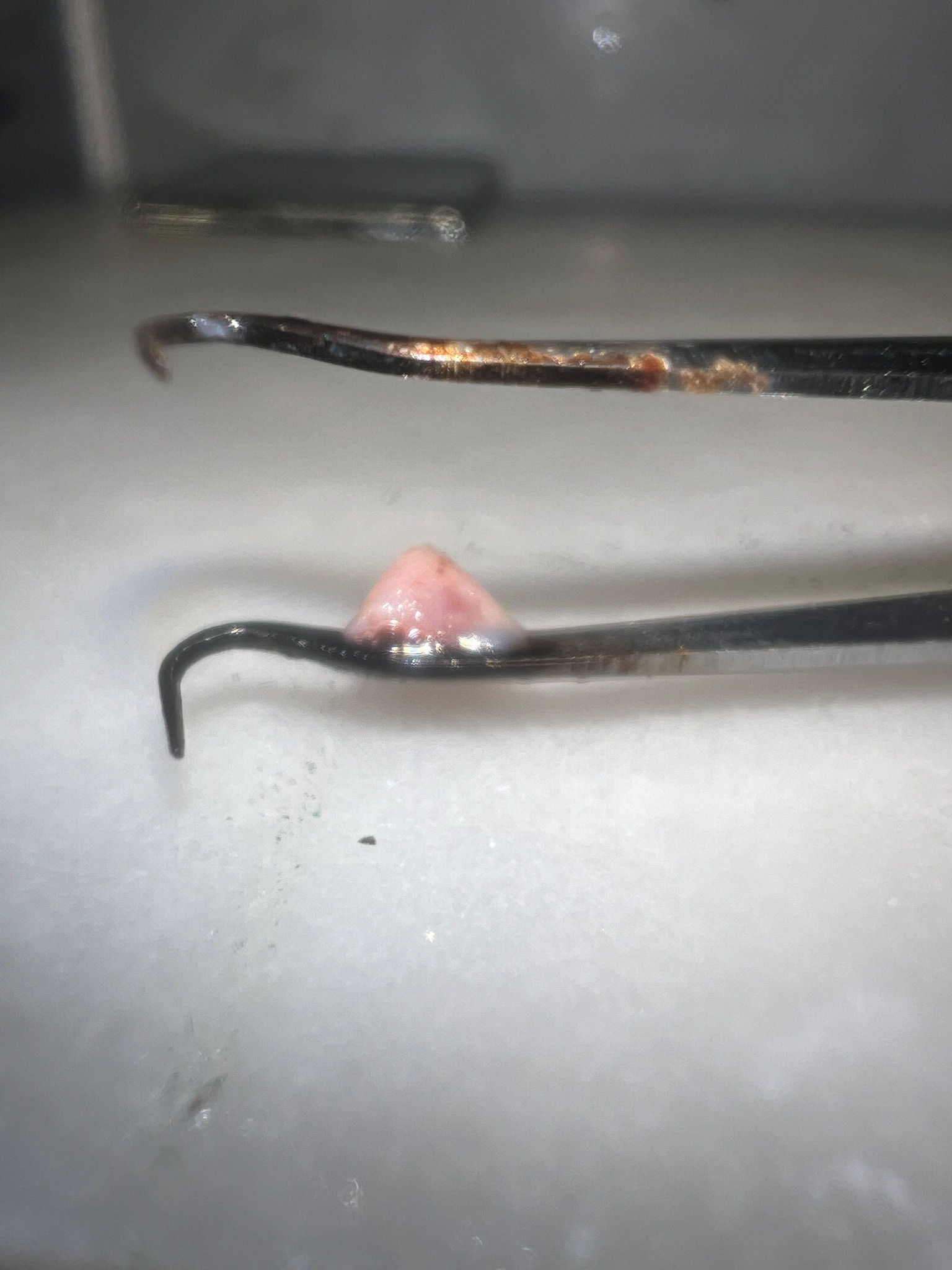
Horsehair worm (Gordian worm)
Likely *Gordius* species (identification from the image is approximate)
- Order & Family
- Nematomorpha; Gordioidea, likely Gordiusidae
- Size
- Usually 10–40 cm long but only about 0.5–2 mm thick; this specimen appears within that slender, threadlike range.
Natural Habitat
Adults occur in freshwater such as ponds, streams, and water troughs; larvae develop inside terrestrial insects. They may appear in sinks or toilets after emerging from hosts.
Diet & Feeding
Adults generally do not feed, relying on stored energy. Larvae absorb nutrients from their insect hosts, commonly crickets, grasshoppers, cockroaches, and mantids.
Behavior Patterns
Larvae manipulate infected hosts to enter water, where the worms emerge, mate, and lay eggs. Adults may twist into tangled “Gordian knots” and are often found near water.
Risks & Benefits
Harmless to humans, pets, and plants; they cannot parasitize people. They benefit ecosystems by reducing populations of terrestrial insects, though they may kill individual hosts.