
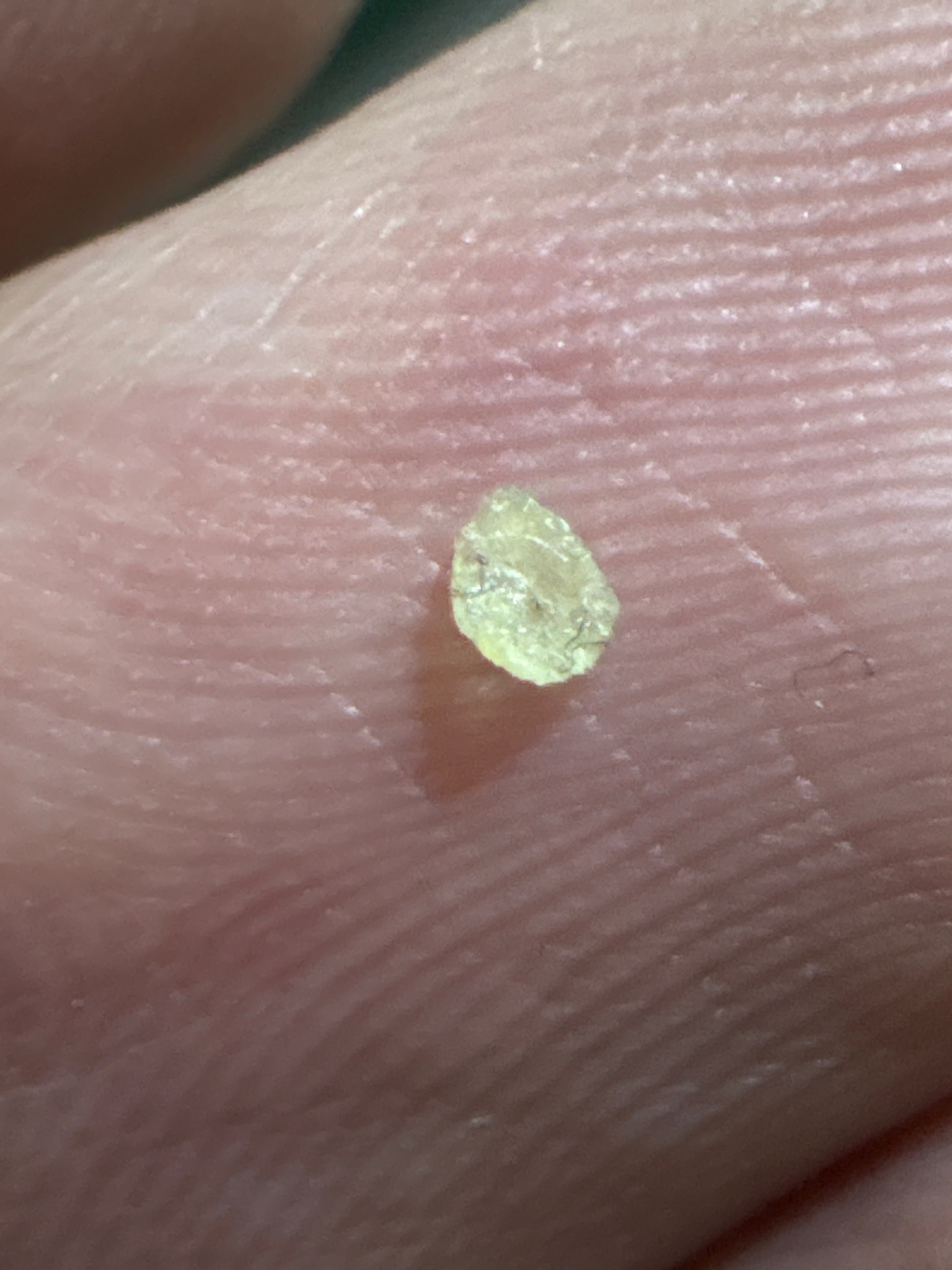
Community identification
Scale insect (likely soft scale nymph)
Uncertain; possibly Coccidae, genus Pulvinaria or a related soft-scale genus
- Order & Family
- Hemiptera; likely family Coccidae
- Size
- Usually about 1–5 mm as immature stages; adults may reach 3–10 mm depending on species.
Natural Habitat
Leaves, stems, and bark of garden, ornamental, and wild plants; often found attached to plant tissue.
Diet & Feeding
Pierces plant tissue and sucks phloem sap. It may cause yellowing, wilting, reduced growth, and sticky honeydew deposits.
Behavior Patterns
Mostly sedentary after settling on a plant; young crawlers disperse before becoming immobile and developing a waxy or shell-like covering. Many species reproduce seasonally, with eggs concealed beneath the female or wax.
Risks & Benefits
Harmless to humans and pets, but infestations can weaken plants and encourage sooty mold. Natural enemies such as lady beetles, lacewings, and parasitoid wasps help control them.