
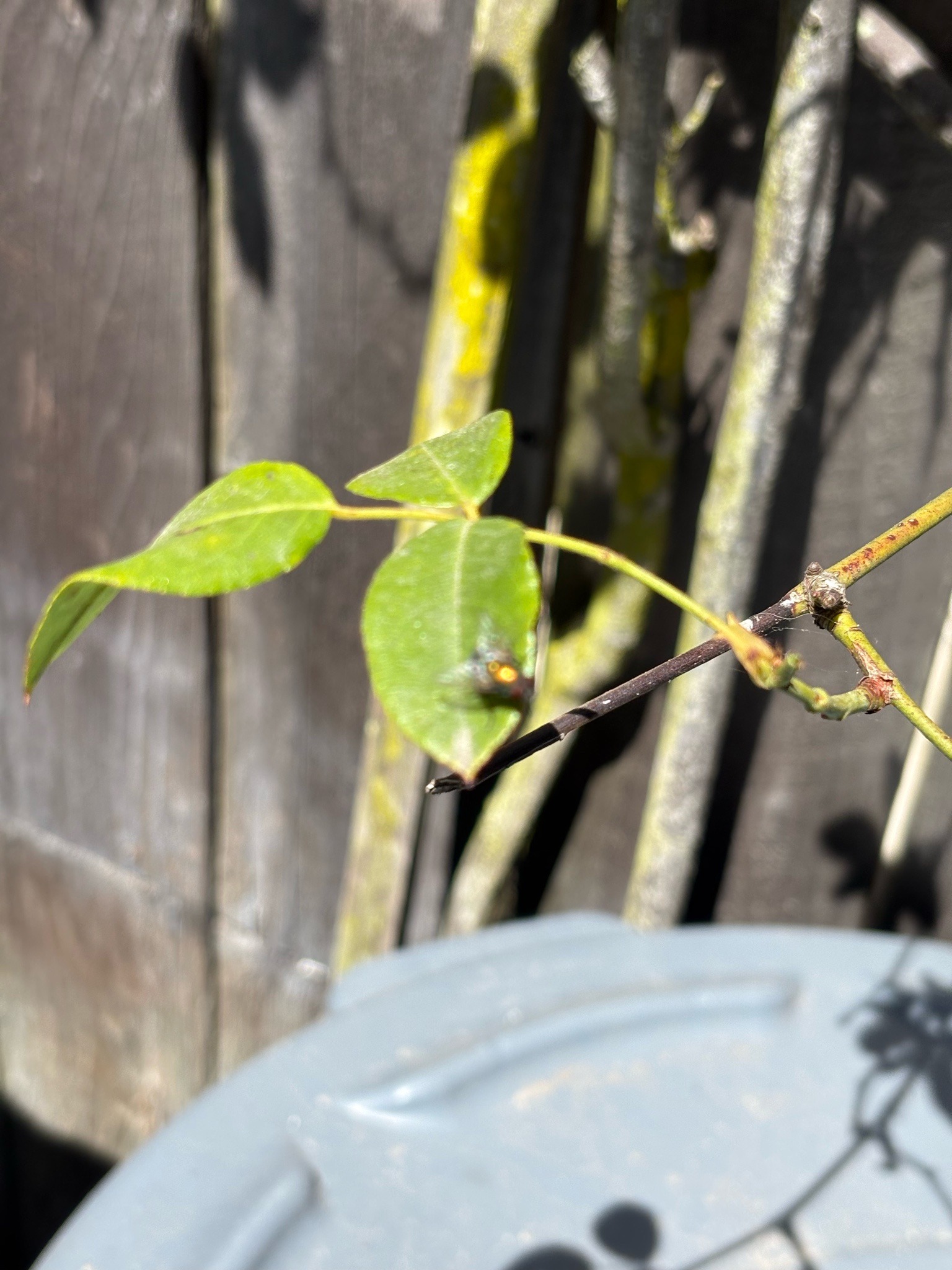
Community identification
Green Bottle Fly
Lucilia sericata
- Order & Family
- Diptera, Calliphoridae
- Size
- 8 to 11 millimeters (0.3 to 0.4 inches)
Natural Habitat
Gardens, fields, urban environments, and areas near decaying organic matter or waste.
Diet & Feeding
Adults feed on nectar, sap, and fluids from decaying organic matter. Larvae (maggots) feed primarily on decomposing animal tissue or dead organic material.
Behavior Patterns
Diurnal and highly active during sunny conditions, attracted to bright light, warm temperatures, and strong odors of decomposition. Females lay eggs on rotting meat, open wounds, or refuse.
Risks & Benefits
Risks: Can mechanically transmit pathogens to food and human living spaces. Benefits: Essential decomposer in ecosystems and utilized in forensic entomology to estimate time of death as well as in controlled medical maggot therapy to clean non-healing wounds.