
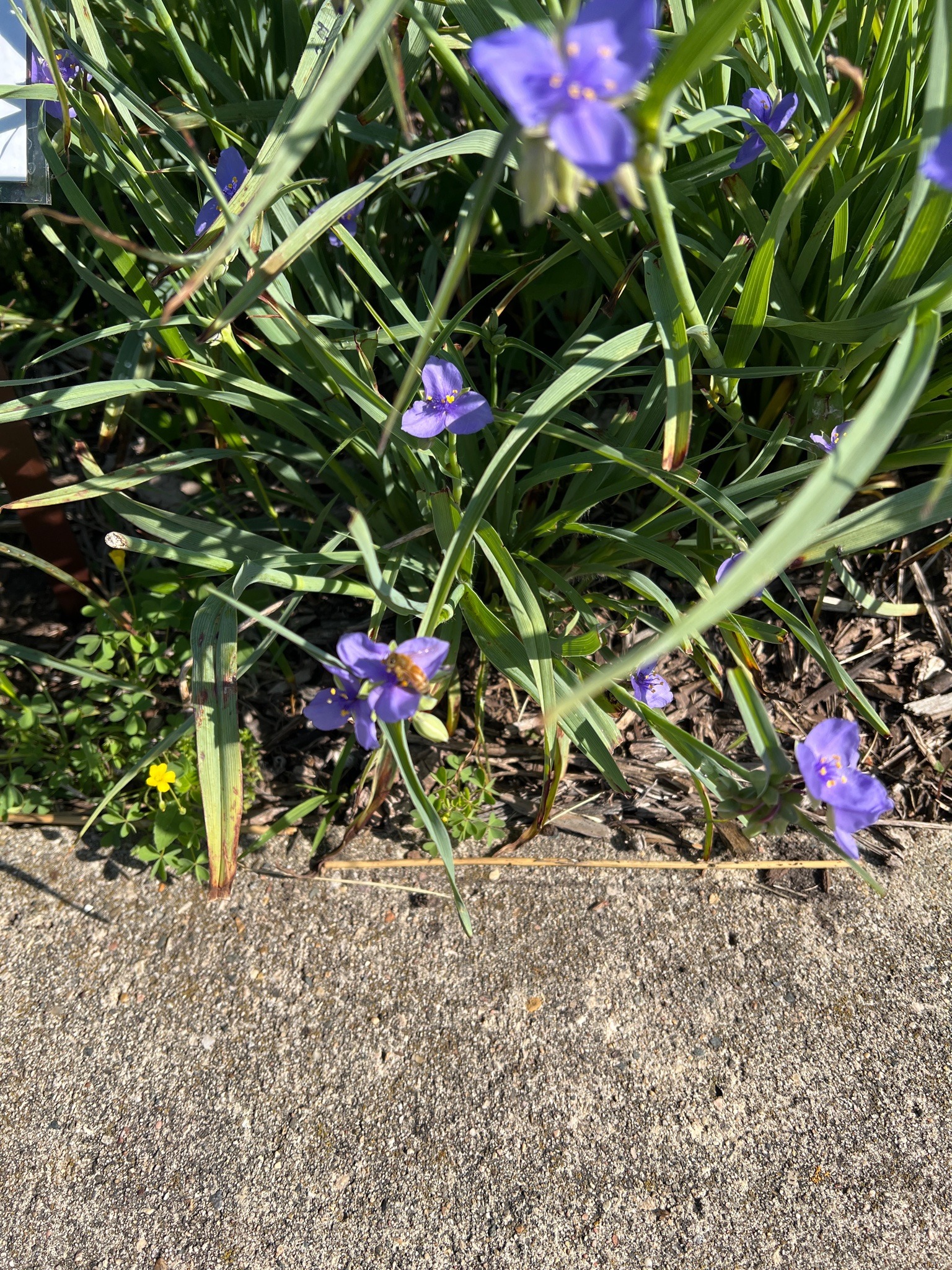
Community identification
Honey Bee
Apis mellifera
- Order & Family
- Hymenoptera, Apidae
- Size
- Worker bees are typically 10 to 15 mm (0.39 to 0.59 inches) in length.
Natural Habitat
Found worldwide in varied environments including meadows, woodlands, gardens, and agricultural areas where flowering plants are present.
Diet & Feeding
Adults feed on nectar for energy and pollen for protein. Larvae are fed royal jelly and a mixture of honey and pollen (bee bread).
Behavior Patterns
Eusocial insects living in complex colonies. Workers perform specific tasks based on age, such as cleaning cells, nursing larvae, and foraging. They communicate through dances like the 'waggle dance'.
Risks & Benefits
Highly beneficial to ecosystems and agriculture as primary pollinators. Risks include stings which can cause pain or severe allergic reactions (anaphylaxis) in sensitive individuals.