
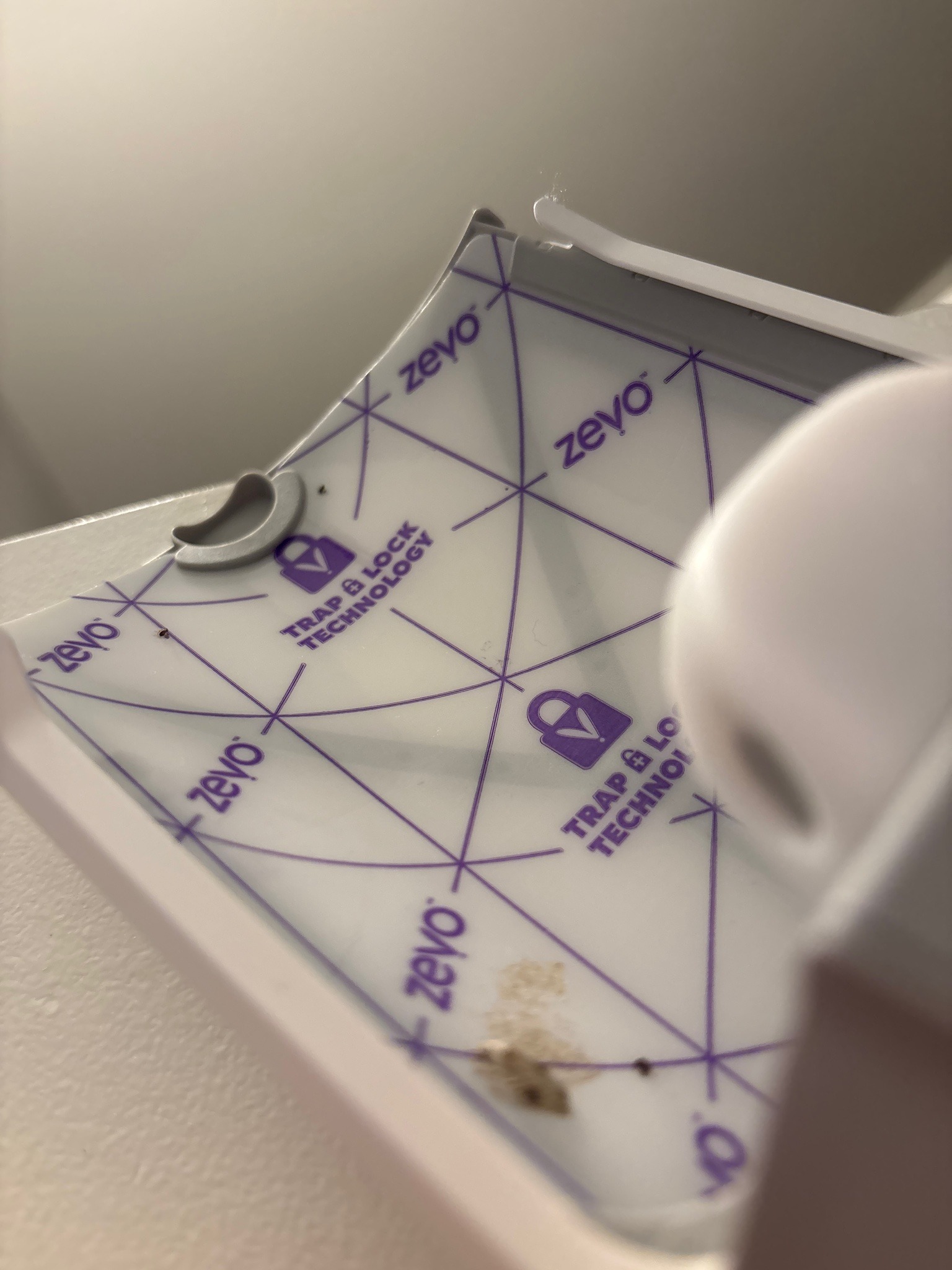
Moth fly (drain fly)
Psychodidae, likely Clogmia albipunctata
- Order & Family
- Diptera; Psychodidae
- Size
- About 1.5–5 mm long; the pictured specimen appears roughly 3–4 mm.
Natural Habitat
Moist indoor sites, especially bathroom and kitchen drains, sewage pipes, damp organic debris, and stagnant water. Adults commonly rest on nearby walls and fixtures.
Diet & Feeding
Larvae consume bacteria, fungi, algae, and decaying organic matter in drain biofilm. Adults have reduced mouthparts and feed little, if at all, often using stored larval energy.
Behavior Patterns
Weak, erratic fliers with fuzzy, moth-like wings; most active around drains and damp areas. Larvae develop in gelatinous sludge, and infestations indicate a persistently wet, organically dirty drain or trap.
Risks & Benefits
Generally harmless and do not bite or sting, though heavy indoor populations are unpleasant and may mechanically carry microbes. They help decompose organic waste; removing drain buildup and eliminating standing moisture controls them.