
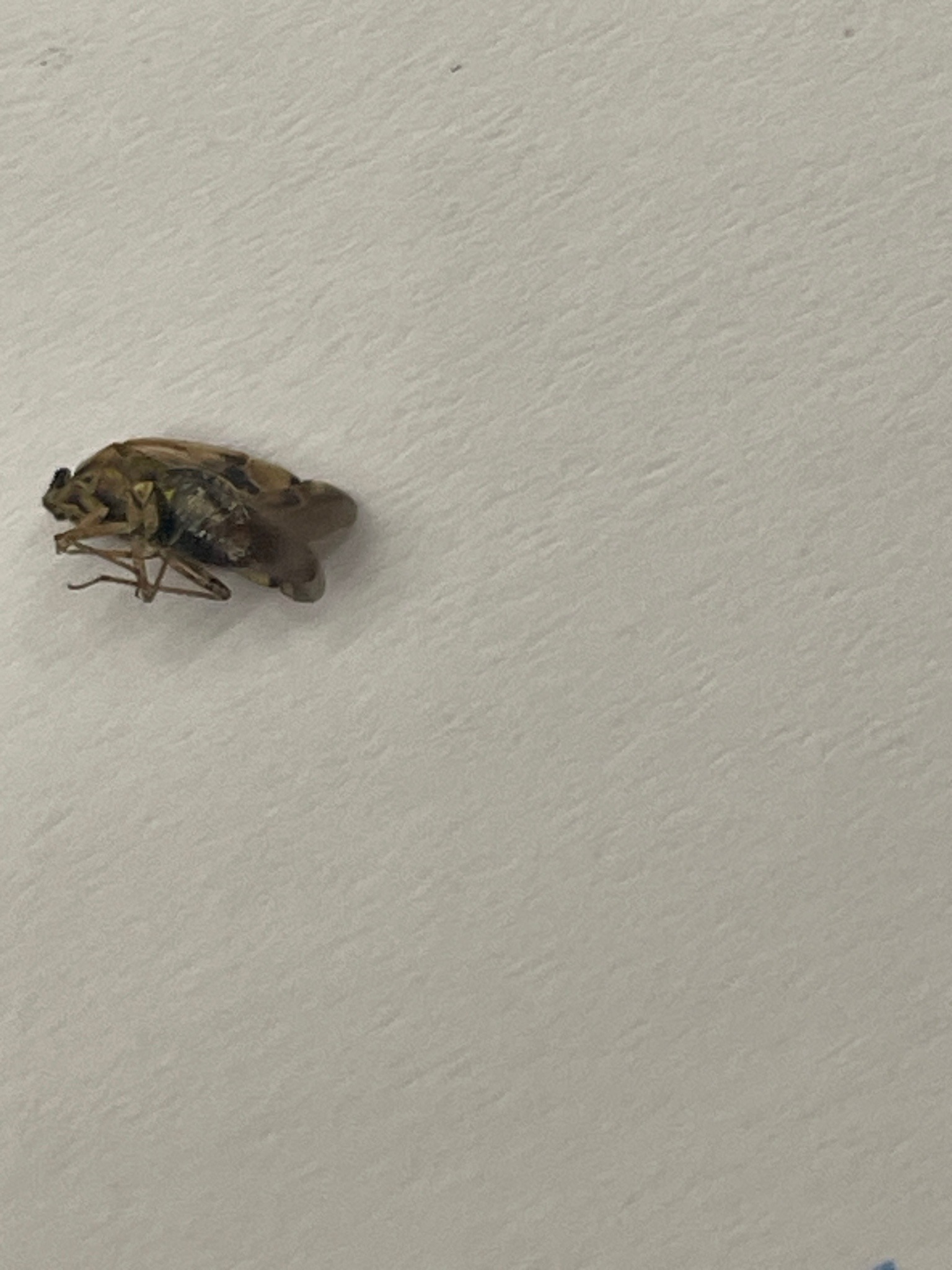
Common housefly
Musca domestica
- Order & Family
- Diptera (true flies), Muscidae
- Size
- Usually 6–8 mm long.
Natural Habitat
Human dwellings, farms, animal facilities, garbage areas, and other places with organic waste. It is globally widespread and closely associated with people.
Diet & Feeding
Adults consume liquid or liquefied food, including decaying organic matter, feces, sugary substances, and food residues. Larvae feed on decomposing organic material.
Behavior Patterns
Adults are strong, agile fliers that frequently land on food and surfaces; they groom themselves and can transfer microbes mechanically. Females lay eggs in moist decaying material, and development from egg to adult can take roughly 1–3 weeks in warm conditions.
Risks & Benefits
They can mechanically spread pathogens responsible for foodborne illness, including bacteria and parasites. They also help decompose organic matter and serve as prey for spiders, birds, and other predators.