
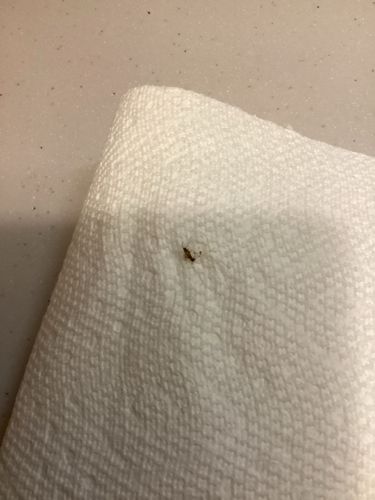
Community identification
Ghost Ant
Tapinoma melanocephalum
- Order & Family
- Hymenoptera: Formicidae
- Size
- Extremely small, approximately 1.3 to 1.5 mm long.
Natural Habitat
Tropical and subtropical regions; indoors, they are found in kitchens and bathrooms near moisture, often nesting in wall voids or behind baseboards.
Diet & Feeding
Omnivorous; they prefer sugary liquids and honeydew from aphids but will also eat protein-rich foods like grease and dead insects.
Behavior Patterns
They are highly mobile and create multiple sub-colonies. They are known for their erratic, jerky movement when disturbed and have a characteristic 'rotten coconut' smell when crushed.
Risks & Benefits
They are primarily a nuisance pest and do not sting or cause structural damage. However, they can contaminate food and are difficult to eradicate due to their multiple nesting sites.