
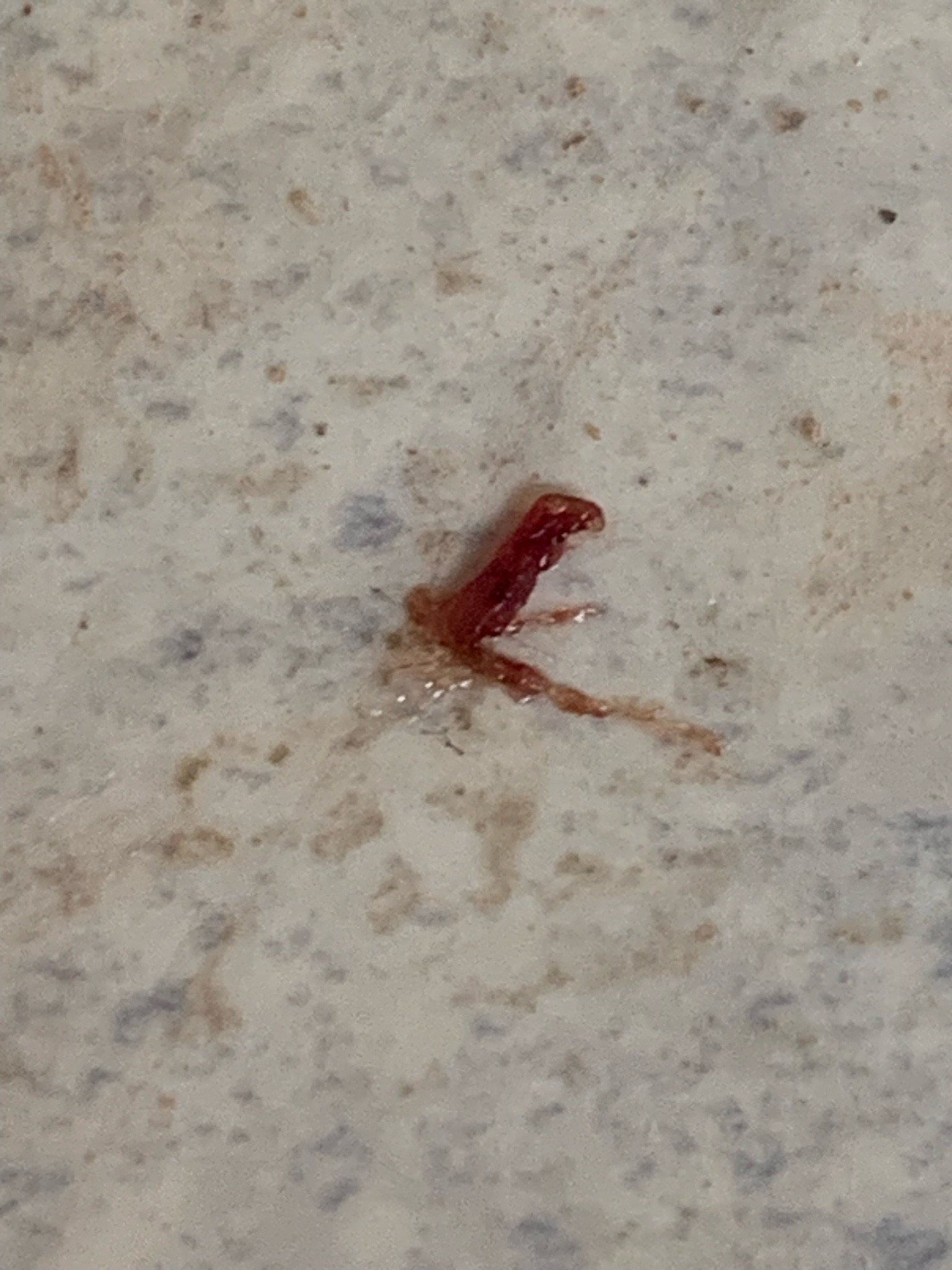
Community identification
Earwig (likely a juvenile or damaged individual)
Forficula auricularia
- Order & Family
- Dermaptera; Forficulidae
- Size
- Adults are typically 10–16 mm long; juveniles are smaller. The forceps-like cerci are distinctive but may be obscured or missing in this specimen.
Natural Habitat
Moist, sheltered places such as leaf litter, mulch, gardens, cracks, and occasionally houses. They hide during daylight and forage at night.
Diet & Feeding
Omnivorous, eating decaying plant matter, algae, small insects, and soft-bodied pests such as aphids; it may also nibble flowers and seedlings.
Behavior Patterns
Mostly nocturnal and moisture-seeking, sheltering in dark crevices by day. Females guard and clean their eggs and may protect early nymphs.
Risks & Benefits
Harmless to people and not venomous; they do not infest human bodies or routinely damage buildings. They recycle organic matter and consume some garden pests, though abundant populations can damage tender plants.