
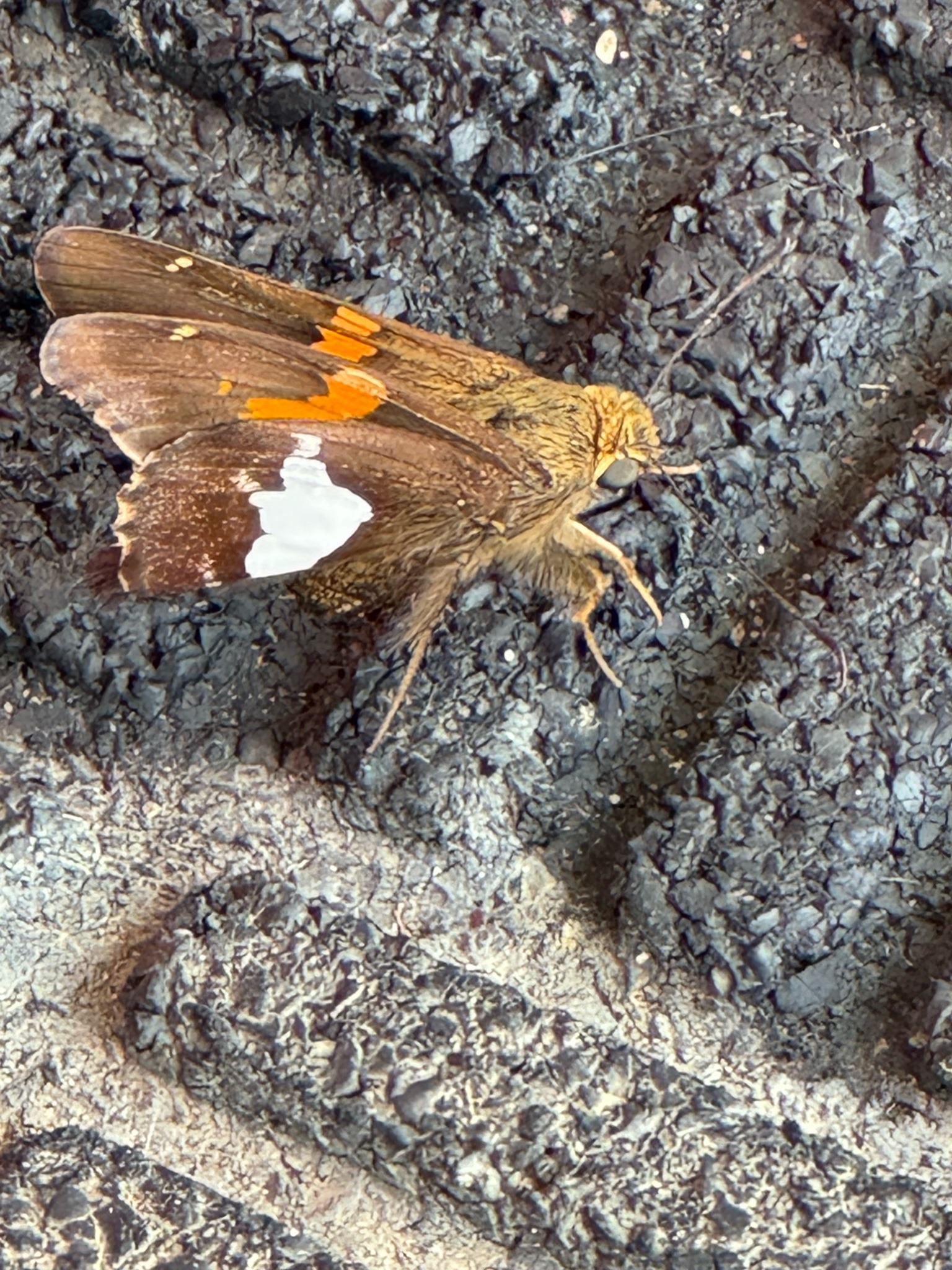
Community identification
White-spotted prominent moth
Schizura ipomoeae
- Order & Family
- Lepidoptera; Notodontidae
- Size
- Adult wingspan is approximately 35–50 mm (1.4–2 in).
Natural Habitat
Woodlands, forest edges, parks, and gardens across eastern and central North America, especially where host trees and shrubs grow.
Diet & Feeding
Caterpillars feed mainly on foliage of plants such as basswood, elm, maple, oak, and related trees; adults generally do not feed or take little nectar.
Behavior Patterns
Nocturnal and attracted to lights; adults rest with patterned forewings covering the hindwings. Caterpillars are solitary leaf-feeders and pupate in loose soil or leaf litter, often overwintering as pupae.
Risks & Benefits
Harmless to people and not medically significant. Larvae contribute to food webs and natural leaf herbivory, though locally abundant caterpillars may cause minor ornamental-plant damage.