
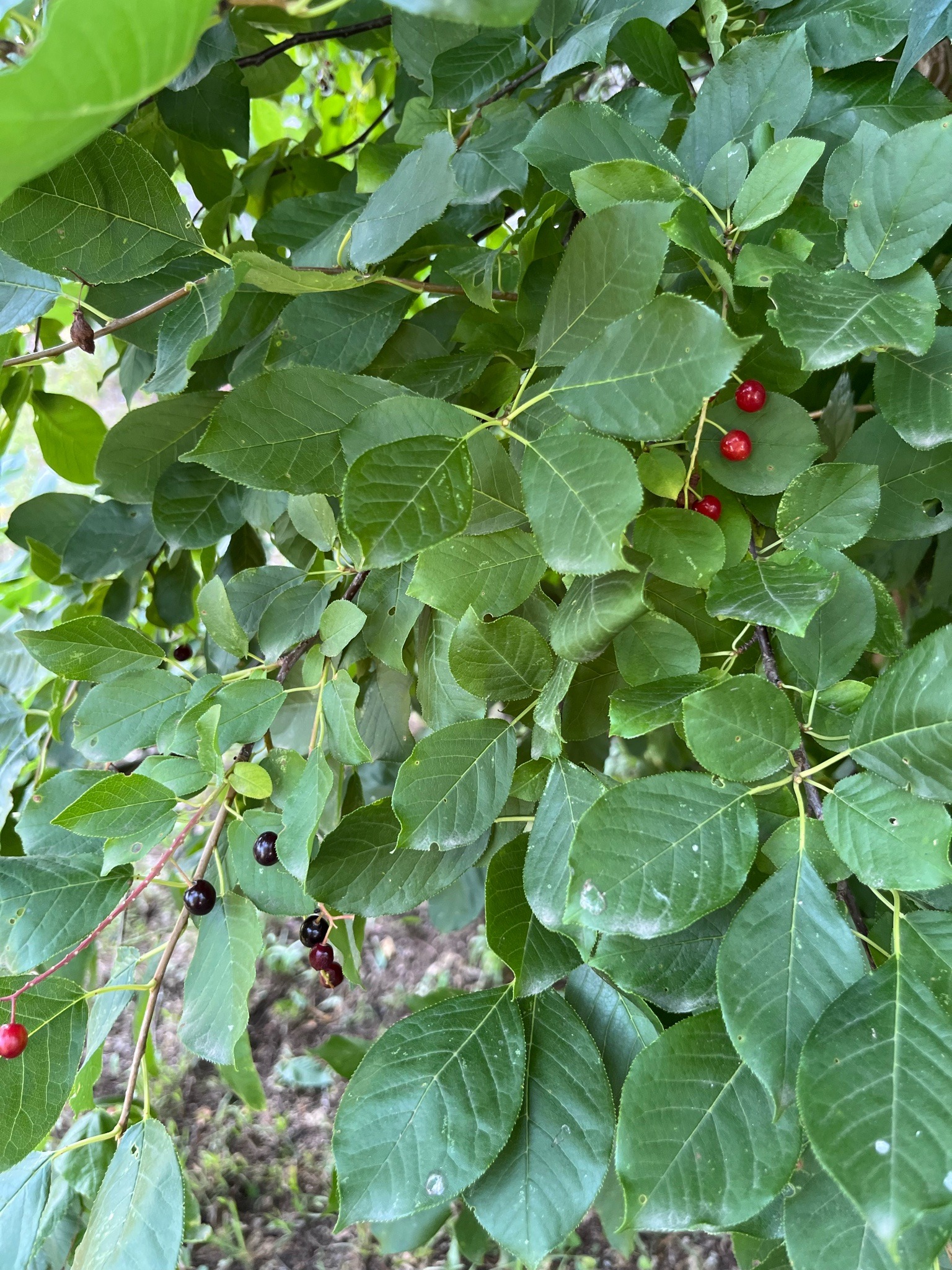
Community identification
Bagworm (Bagworm Moth Caterpillar)
Thyridopteryx ephemeraeformis
- Order & Family
- Lepidoptera: Psychidae
- Size
- 1.5 to 2 inches (38 to 50 mm) long as larvae within their protective bags.
Natural Habitat
Deciduous and coniferous trees, shrubs, orchards, and urban gardens across North America.
Diet & Feeding
Herbivorous; feeds on foliage, flowers, and tender bark of host plants, including cherries, junipers, arborvitae, and pines.
Behavior Patterns
Larvae construct portable protective cases out of silk and host plant debris (twigs, leaf bits). They carry these bags with them while feeding and pupate inside them.
Risks & Benefits
Risks: Can cause severe defoliation and stress to host trees if populations are large. Benefits: Provides food for birds, parasitic wasps, and other natural predators.