
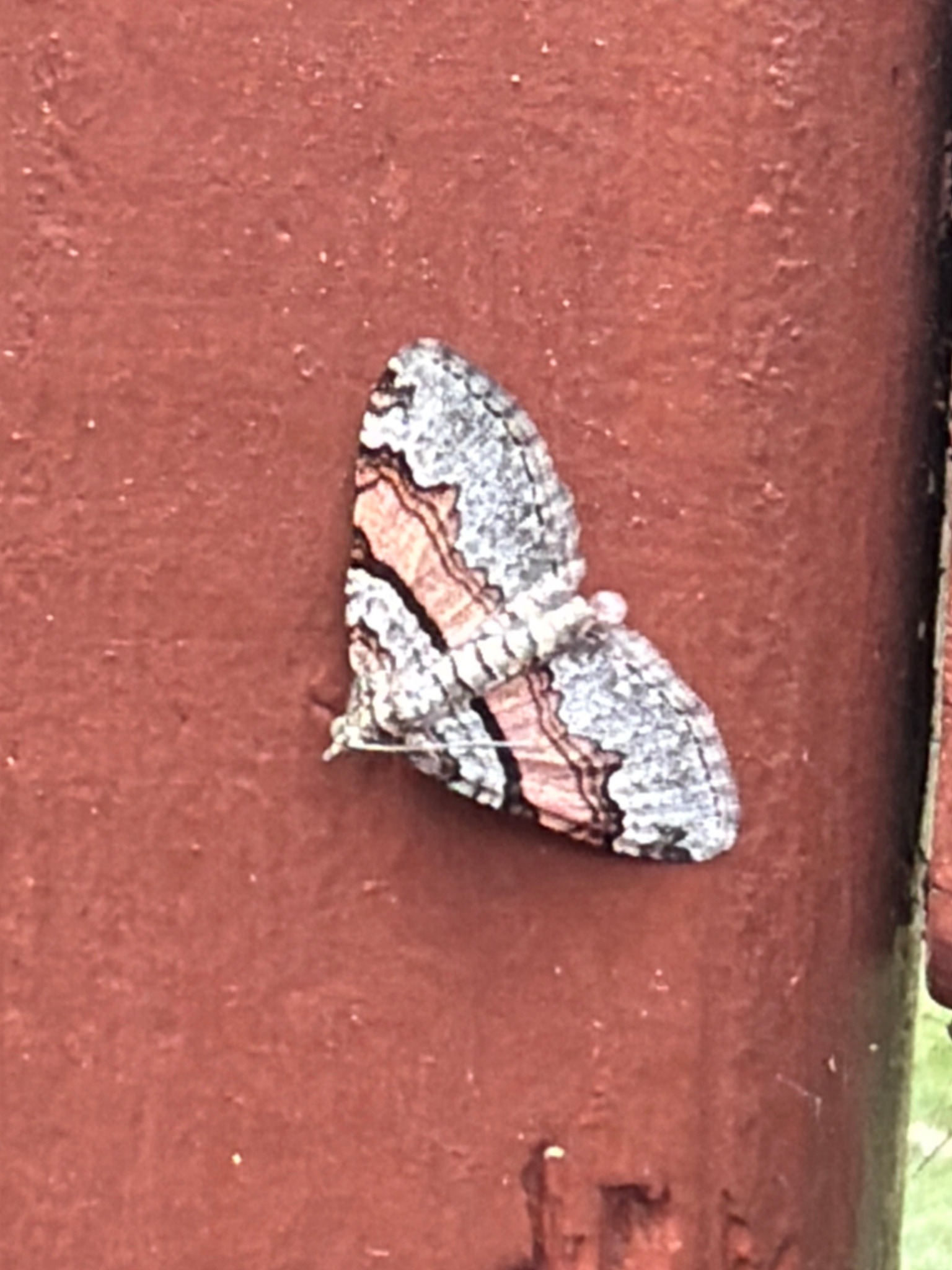
Community identification
Small engrailed moth
Ectropis crepuscularia
- Order & Family
- Lepidoptera; Geometridae
- Size
- Adult wingspan typically 30–40 mm.
Natural Habitat
Woodlands, gardens, hedgerows, and other areas with trees or shrubs across much of the Palearctic and introduced regions.
Diet & Feeding
Caterpillars feed on a wide range of deciduous trees and shrubs, including oak, birch, hawthorn, and fruit trees. Adults generally do not feed or take only small amounts of nectar.
Behavior Patterns
Mostly nocturnal and rests with wings held roof-like, using its gray, bark-mimicking pattern for camouflage. One or more generations may occur yearly; larvae are inchworms and pupate in soil or leaf litter.
Risks & Benefits
Harmless to people and valuable as prey for birds, bats, and parasitic insects. Larvae can occasionally damage ornamental or fruit plants when abundant.