
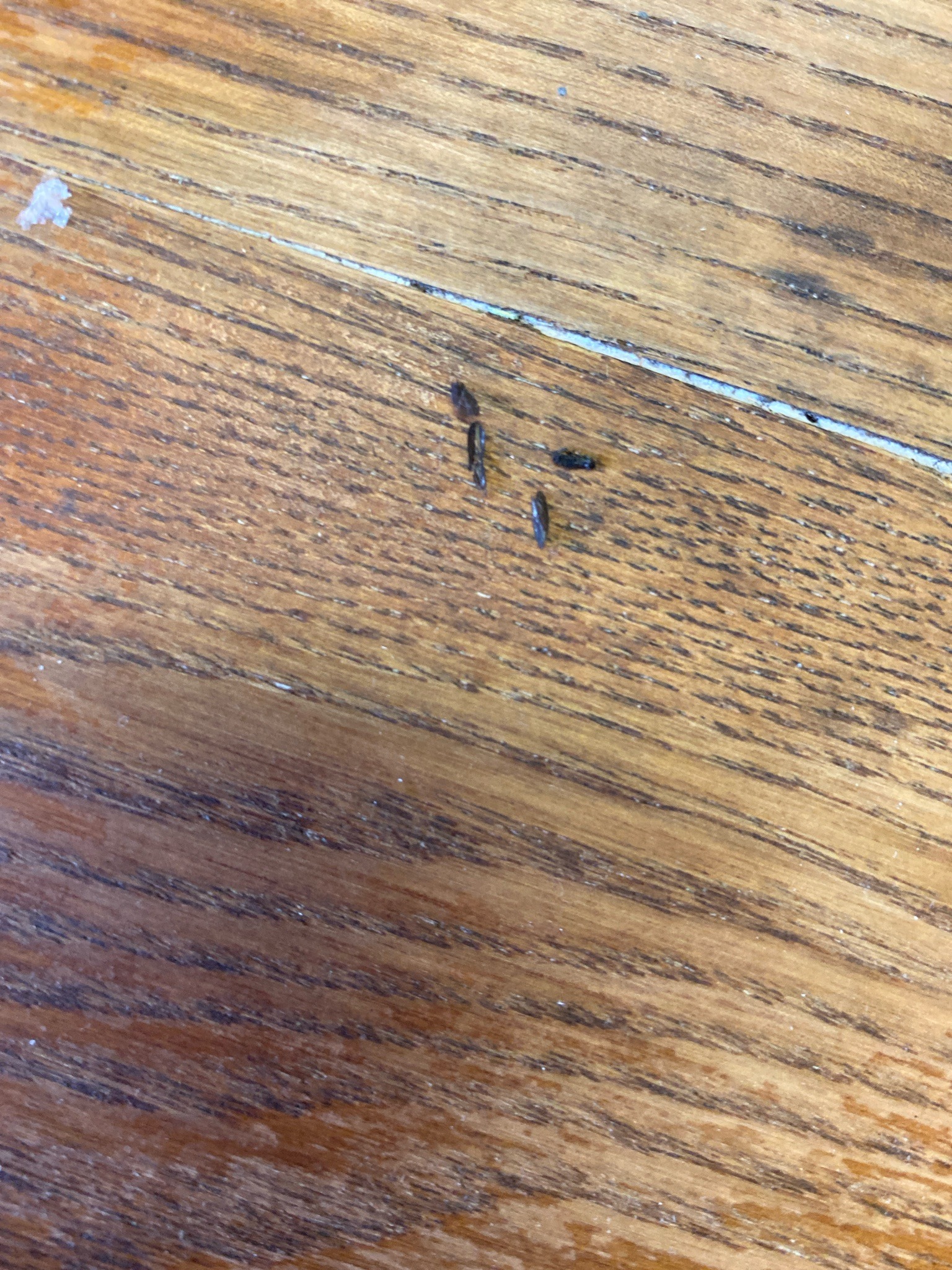
Cat flea
Ctenocephalides felis
- Order & Family
- Siphonaptera, Pulicidae
- Size
- 1.5 to 3 mm (1/16 to 1/8 inch)
Natural Habitat
Indoors on domestic pets, carpets, bedding, upholstery, and floor cracks; outdoors in shaded, moist areas frequented by hosts.
Diet & Feeding
Adults feed exclusively on the blood of mammals (primarily cats and dogs, but also humans); larvae feed on organic debris, including flea dirt (pre-digested blood excreted by adults).
Behavior Patterns
Wingless insects that are laterally flattened and capable of jumping significant distances using powerful hind legs. Females lay eggs directly on the host, which drop off into the environment. They undergo complete metamorphosis (egg, larva, pupa, adult).
Risks & Benefits
Risks: Causes itchy bites, allergic dermatitis, skin infections, tapeworm transmission to pets, and potential anemia in severe infestations. Benefits: No ecological benefit indoors; serves as a food source for minor outdoor predators like ants or beetles.