
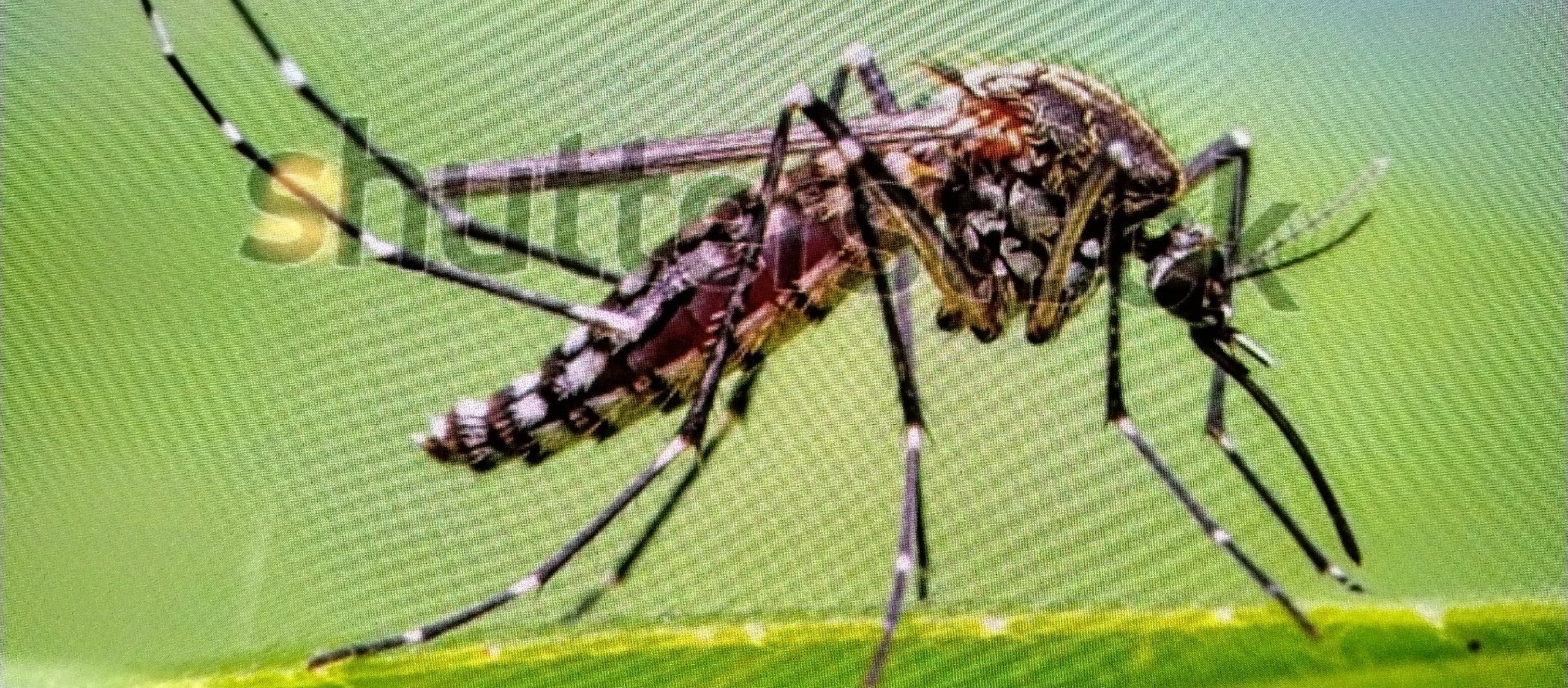
Tiger mosquito (likely Asian tiger mosquito)
Aedes albopictus
- Order & Family
- Diptera; Culicidae
- Size
- About 4–10 mm long; females are typically larger than males.
Natural Habitat
Vegetated urban and rural habitats in India, especially near containers, drains, gardens, and shaded water-holding sites. Adults rest on foliage and are active during daylight, fitting the August capture.
Diet & Feeding
Females require blood meals from humans and other animals to produce eggs; both sexes feed mainly on plant nectar and other sugars.
Behavior Patterns
A highly distinctive black mosquito with white banding on the legs and thorax. It breeds in small stagnant-water containers, bites chiefly in daytime, and may be active through India’s monsoon season.
Risks & Benefits
Aedes albopictus can transmit dengue, chikungunya, Zika, and other arboviruses, though an individual mosquito is infectious only if it previously acquired a pathogen. It has limited ecosystem benefit as nectar-feeding prey and pollinator; the image’s markings strongly support this identification, but exact species-level confirmation requires clearer thorax and abdominal details.