Bagworm Moth Identification Guide
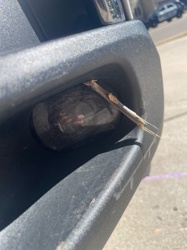
Identify this species mainly by its distinctive spindle-shaped, debris-covered silk bag rather than the elusive adult moth.
Read the full Bagworm Moth encyclopedia entry →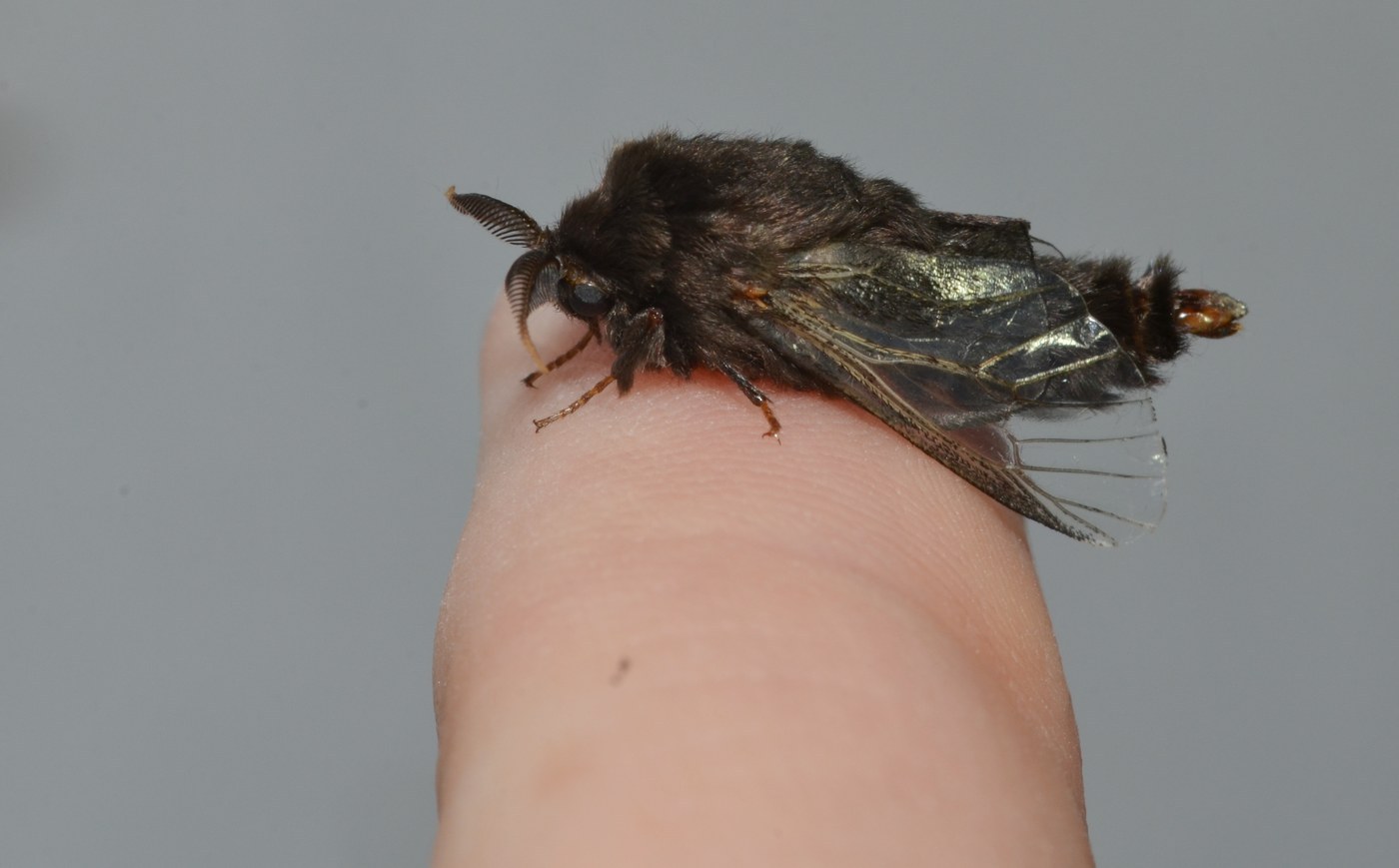
Key Visual Features
Bagworm moths show extreme differences between sexes, and identification in the field is usually based on the caterpillar's distinctive case rather than the adult moth itself.
- Size: Adult males have a wingspan of about 20-25mm; females remain inside their case and are never seen in flight.
- Color and pattern (males): Dark sooty-black to grayish-brown with mostly clear or thinly scaled, smoky wings.
- Color and pattern (females): Wingless, legless, cream to yellowish, grub-like, and remain permanently inside the silk case.
- Body shape: Males have slender flying bodies; females are soft-bodied and immobile.
- Legs and antennae: Males have feathery antennae used to locate females by scent across some distance, since females cannot travel to find a mate.
Where and When You'll See It
Look for the distinctive spindle-shaped silk bags — covered in bits of twig and leaf debris matching the host plant — hanging from the branches of evergreens such as junipers, arborvitae, and cedars, as well as many deciduous trees and shrubs. These bags are visible year-round wherever the species occurs, in gardens, landscaping, and woodland edges, and often go unnoticed until they are pointed out because they blend so well with the surrounding foliage. Adult males emerge and fly briefly, mainly at dusk, in late summer to early fall, searching for bags containing females, after which the life cycle continues with eggs overwintering inside the case.
Similar-Looking Moths
Other case-making moths, such as smaller casebearer moths, produce cases as well, but bagworm bags are notably larger — typically 1-2 inches long — distinctly spindle-shaped, and camouflaged with attached bits of twig or leaf material rather than being made of plain silk. This larger size and elaborate construction make the bagworm's bag fairly easy to distinguish from the smaller, less elaborately camouflaged cases made by other insects.
Quick ID Checklist
- Look for a 1-2 inch spindle-shaped silk bag covered in twig and leaf bits
- Bags hang from branches of evergreens and many other trees/shrubs
- Adult male: small, sooty-winged moth seen briefly at dusk in late summer/fall
- Adult female: never leaves the bag, wingless and grub-like
- Bags are visible on host plants year-round
Frequently asked questions
How do I identify a bagworm moth if I never see the adult?
Look for the distinctive spindle-shaped silk bag covered in twig and leaf debris hanging from branches — this is the most reliable identifying feature.
What does the adult male bagworm moth look like?
A small, sooty-black to grayish-brown moth with mostly clear, smoky wings and feathery antennae, seen briefly at dusk.
Do female bagworm moths ever leave their case?
No, females remain inside the silk bag for their entire adult life, mating and laying eggs there.
What trees are bagworm bags commonly found on?
Evergreens such as junipers, arborvitae, and cedars, as well as a wide range of deciduous trees and shrubs.
Bagworm Moth identified by the community
Recent Bagworm Moth finds identified with Bug Identifier.