
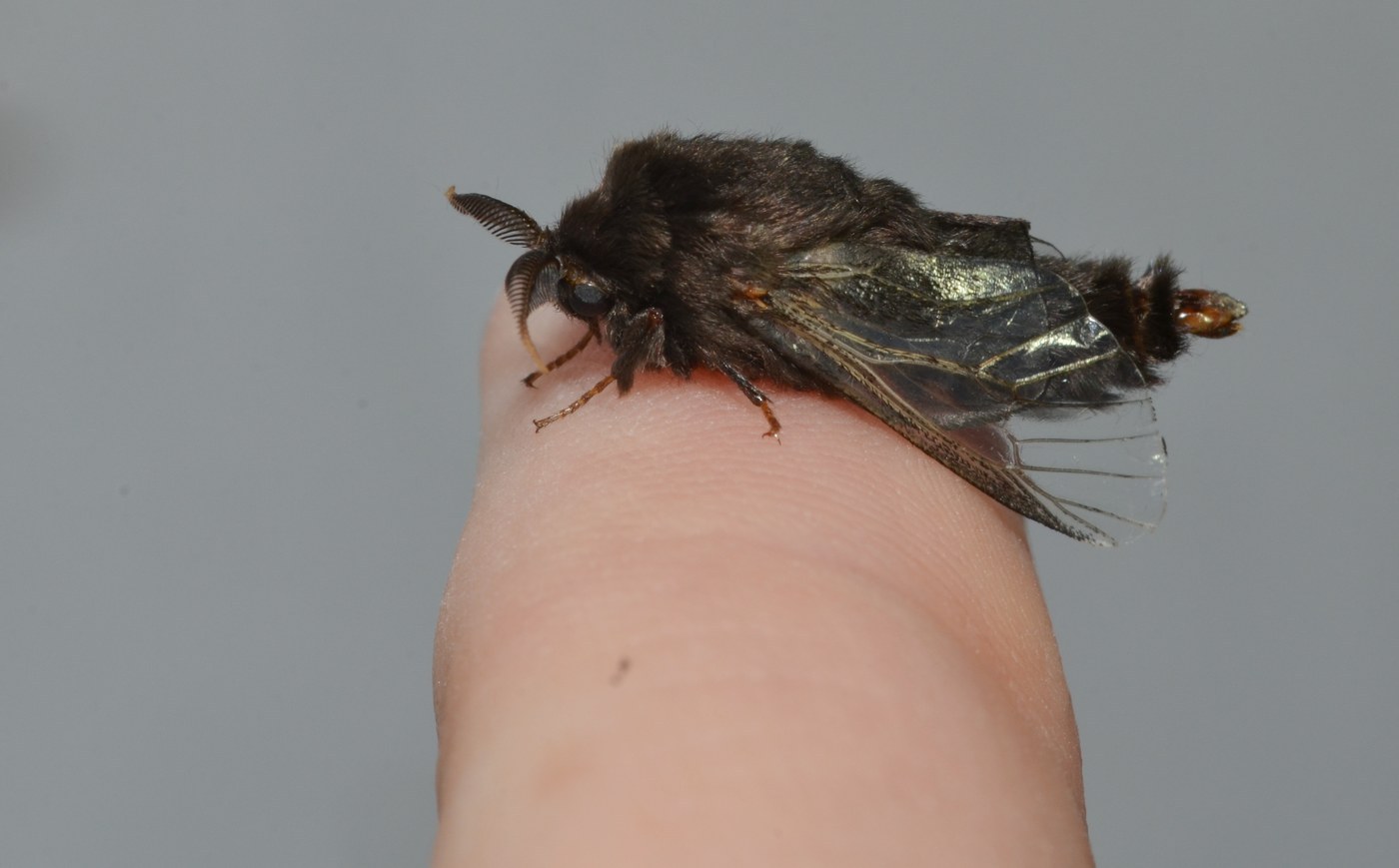
Bagworm Moth
Thyridopteryx ephemeraeformis
A moth best known for its larva's habit of constructing and living inside a spindle-shaped case of silk and plant debris that hangs from twigs, with adult males a plain sooty-winged moth and females remaining wingless and grub-like inside the bag for life.
- Size
- Bag 1–2 in; male moth ~1 in wingspan
- Habitat
- Coniferous and deciduous trees, shrubs, hedges
- Danger
- Nuisance pest
Spotted a bug like this?
Identify any bug or insect from a photo, free.
Overview
Bagworm moths belong to the family Psychidae, a group defined by the distinctive protective cases, or 'bags,' that the caterpillars build and carry with them as they feed and grow. The evergreen bagworm is the most common and widespread species in North America, though the family includes many similar species worldwide, most sharing this case-building habit.
Each caterpillar constructs its bag from silk woven together with bits of leaves, twigs, and bark from its own host plant, camouflaging it so effectively that the bags are often mistaken for pinecones or plant debris rather than a living insect's home. As the larva grows, it enlarges the bag, dragging it along as it moves and feeds, always with its head and thorax protruding from the open end.
The species shows extreme sexual dimorphism as adults: males develop into small, clear-winged, weakly flying moths that seek out females, while females remain wingless, legless, and grub-like for their entire lives, never leaving the bag they built as larvae.
How to Identify
- Larval bag: a spindle- or cone-shaped case up to about 2 inches long, covered in bits of twig, leaf, or needle fragments from the host plant, giving strong camouflage.
- Bags hang from twigs by a silk thread and are often mistaken for small pinecones, especially on evergreens.
- Adult male: small, dark, sooty-brown, fuzzy-bodied moth with mostly transparent or thinly scaled wings, roughly 1 inch across.
- Adult female: wingless, legless, and worm-like, never leaving the bag; identification is essentially only possible via the bag itself and the caterpillar inside, since females are rarely seen.
Habitat & Range
Found across the eastern and central United States, primarily on evergreen trees such as arborvitae, juniper, and cedar, but also on many deciduous trees and shrubs. Bags are most conspicuous in late summer through winter, when they are fully grown and often the only visible sign of the insect, remaining attached to branches even after the moth inside has died or emerged.
Behavior & Diet
Larvae feed on the foliage of their host plant while remaining largely concealed within their self-built bag, extending only the head and front legs to feed and crawl, and retreating fully inside when disturbed. Because bags are camouflaged and larvae move slowly, infestations can go unnoticed until defoliation becomes significant, making the species a recognized pest of ornamental conifers and shade trees in some areas. Adult males fly at dusk in search of females, which remain inside their bags and release pheromones rather than moving to find a mate.
Life Cycle
Eggs overwinter inside the mother's old bag and hatch in late spring, with tiny larvae dispersing on silk threads to new sites where they immediately begin building their own miniature bags. Caterpillars enlarge their bags as they grow through several instars over the summer, feeding on host foliage. In late summer, larvae pupate within the bag; males emerge as winged moths to seek out females, which remain in their bags to mate and lay the next generation's eggs before dying. There is typically one generation per year.
Frequently asked questions
Is the bag itself the insect, or does the insect live inside it?
The bag is a protective case built by the caterpillar from silk and plant debris; the living larva stays inside, extending only its head and legs to feed and move.
Do adult bagworm moths fly?
Only males develop wings and fly; females remain wingless and legless for life, staying inside the bag.
Why are the bags often mistaken for pinecones?
Bagworms incorporate bits of their host plant's own leaves or needles into the bag's outer surface, camouflaging it to closely resemble natural plant debris.
What plants does it feed on?
It feeds on a wide range of evergreen and deciduous trees and shrubs, with arborvitae, juniper, and cedar among the most commonly affected.
Bagworm Moth guides
In-depth guides for identifying, understanding, and living alongside Bagworm Moth.
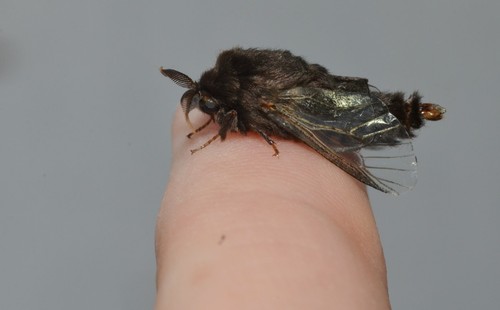
Bagworm Moth identified by the community
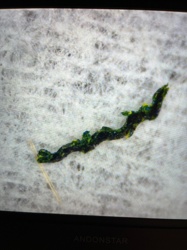
Real finds identified with Bug Identifier.
Other bugs you may enjoy
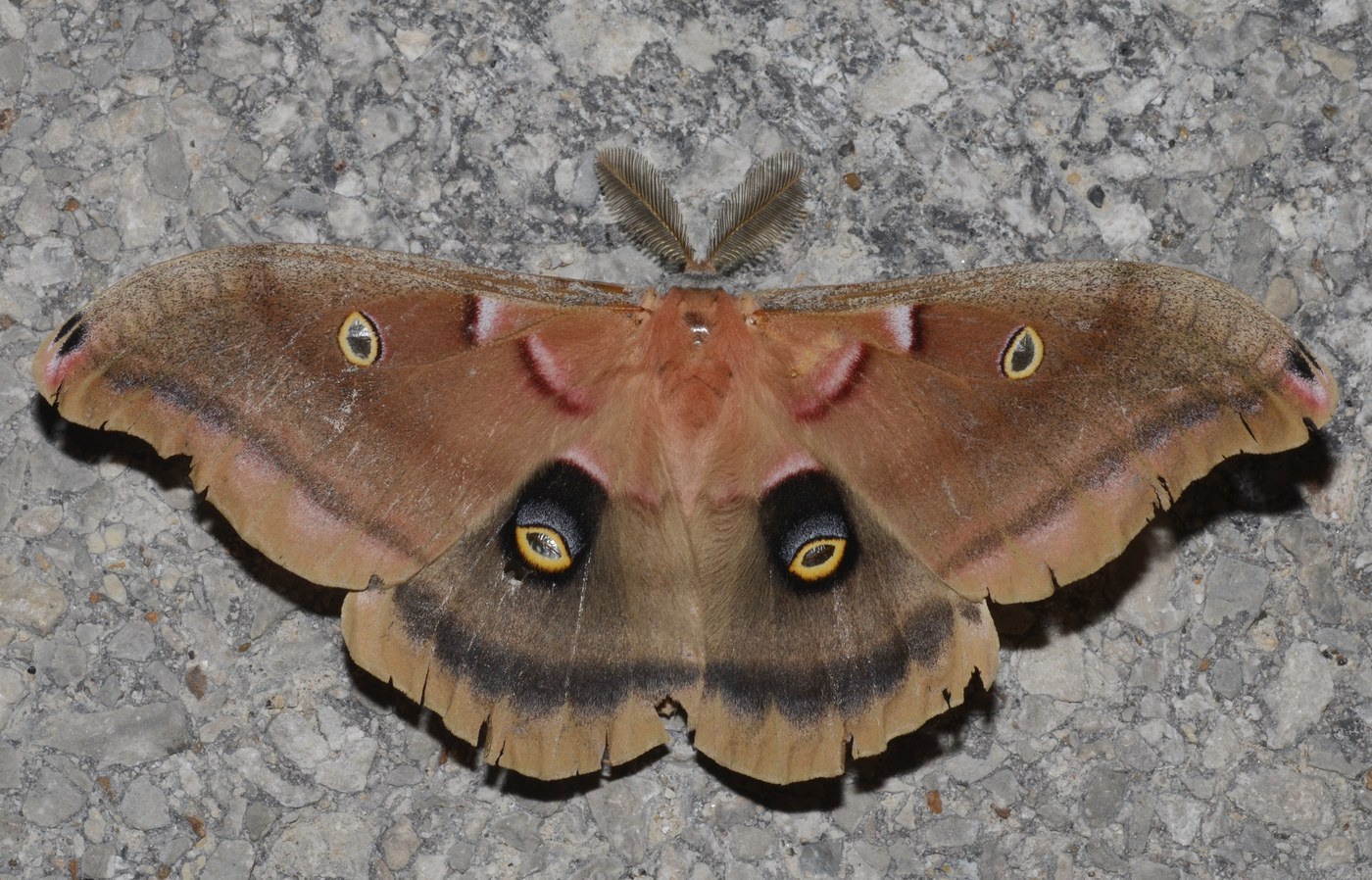
Antheraea Silkmoth
Deciduous forests, woodland edges, orchards
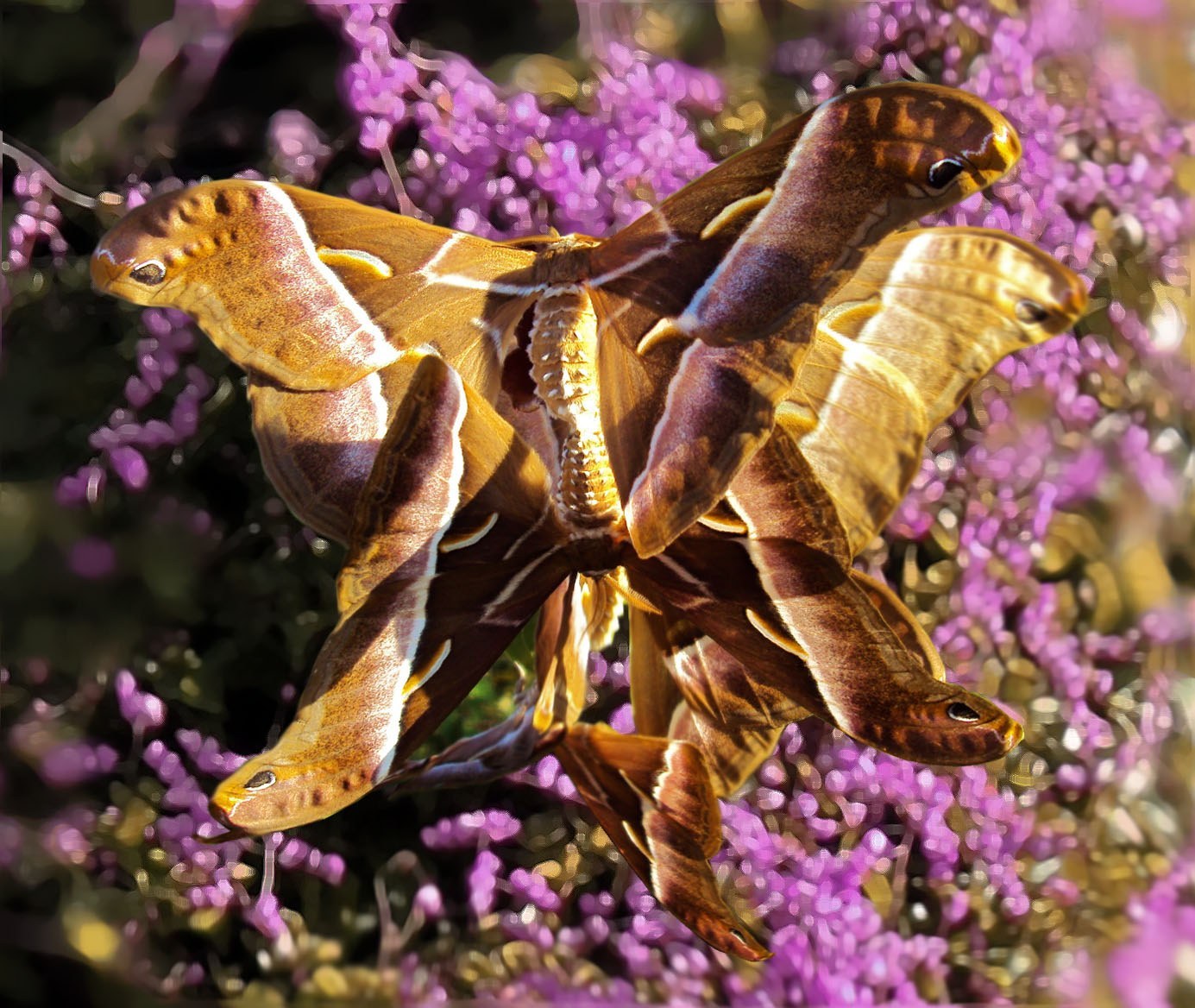
Ailanthus Silkmoth (Cynthia Moth)
Urban parks, wastelands, and woodland edges with tree-of-heaven; native to Asia, introduced in North America and Europe
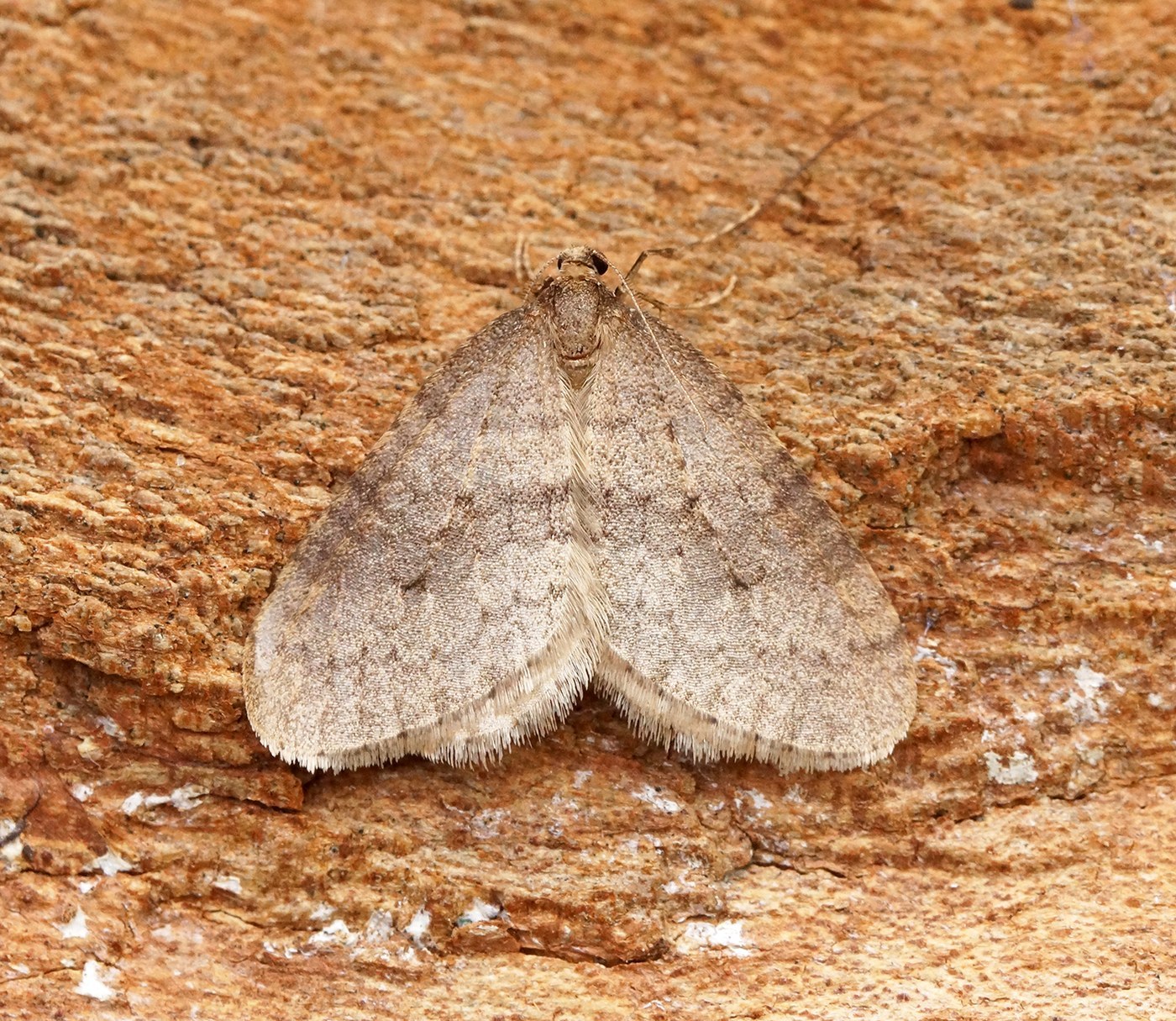
Winter Moth
Deciduous woodland, orchards, gardens, hedgerows
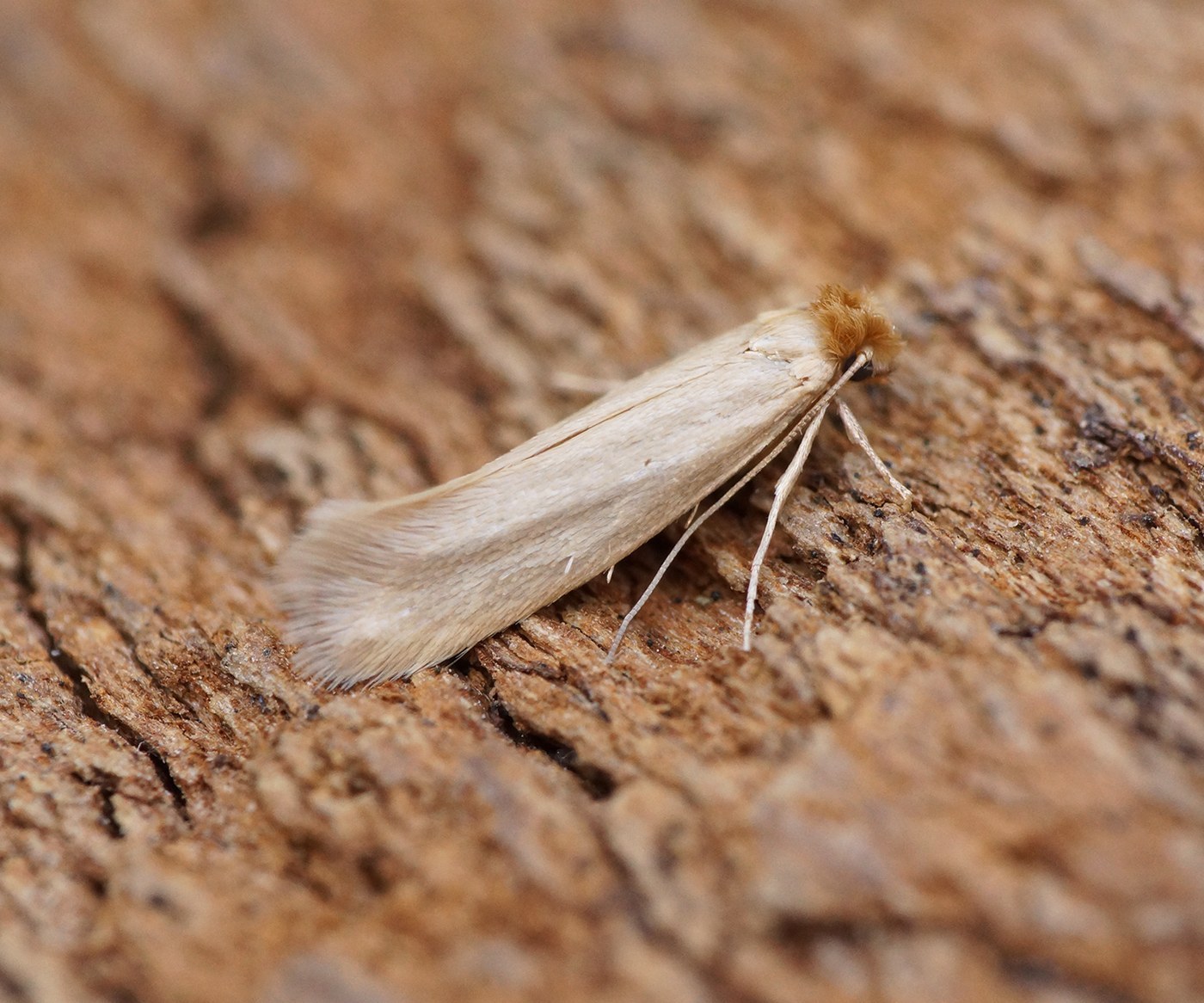
Webbing Clothes Moth
Dark closets, storage areas, and animal nests worldwide
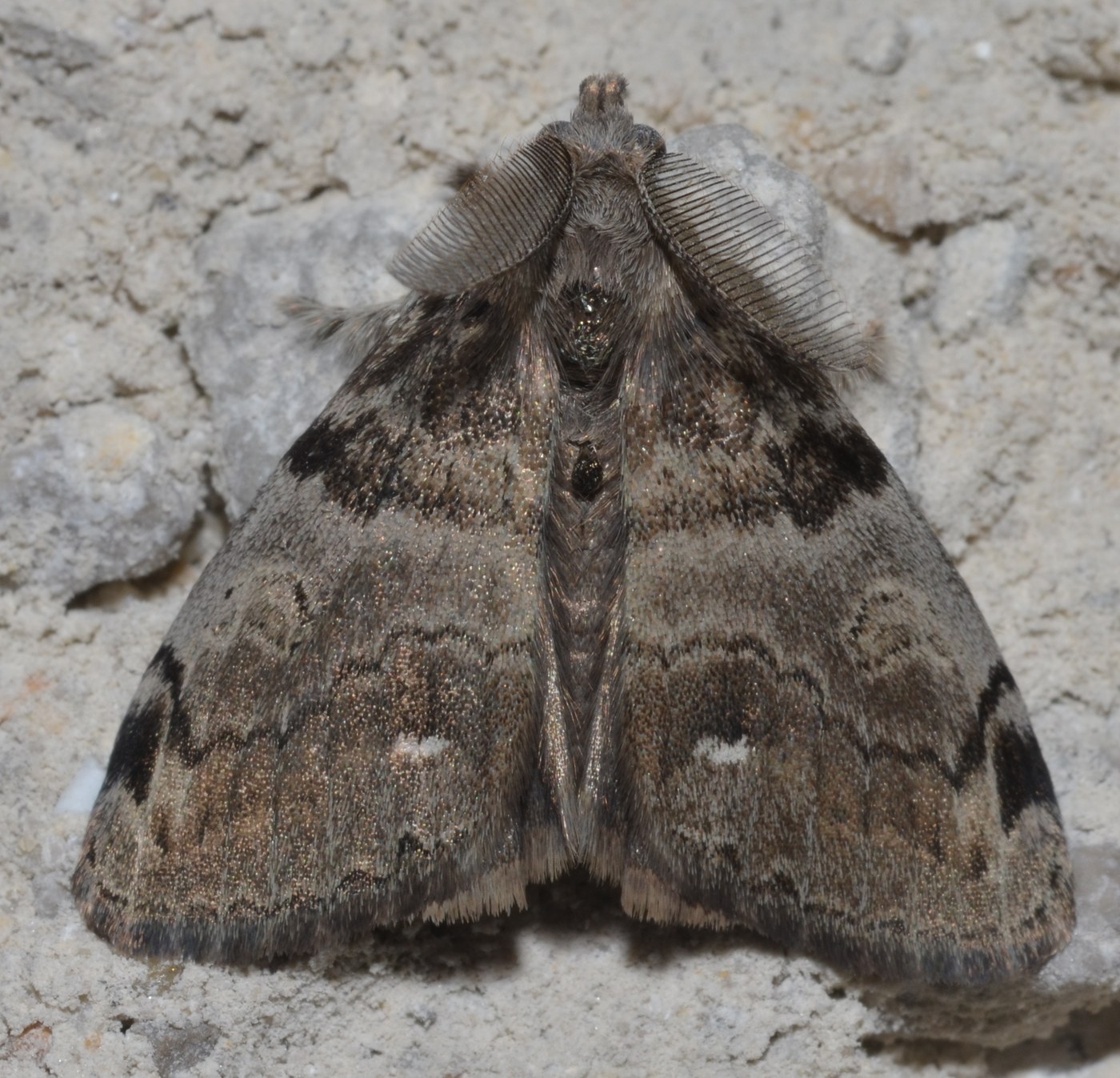
Tussock Moth
Deciduous forests, parks, gardens
Wax Moth
Beehives, apiaries, stored beeswax and comb
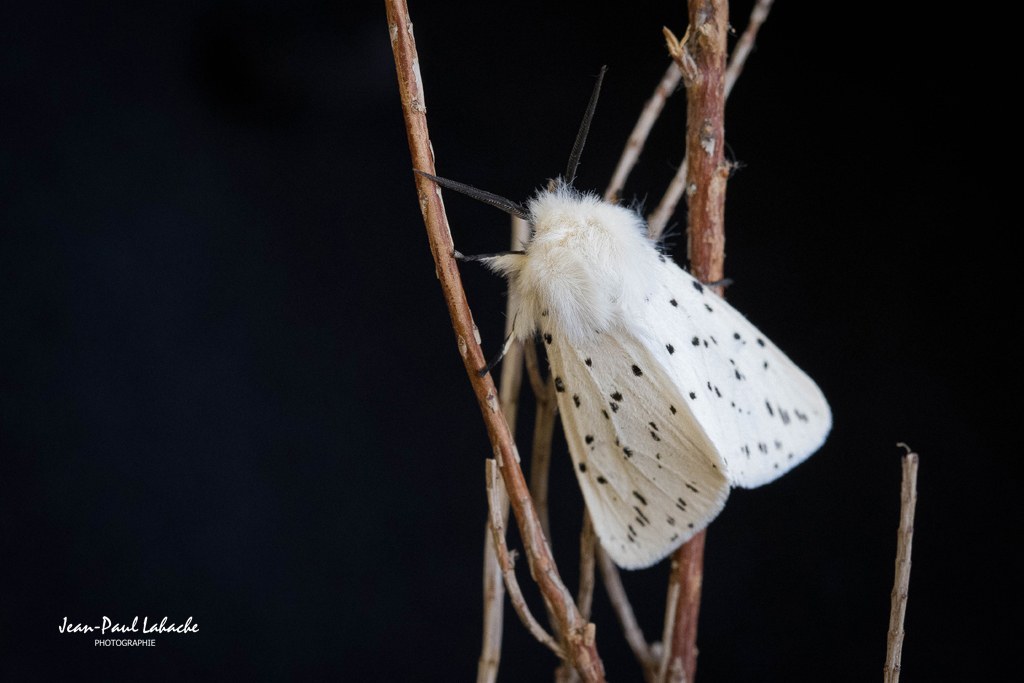
White Ermine Moth
Gardens, meadows, hedgerows
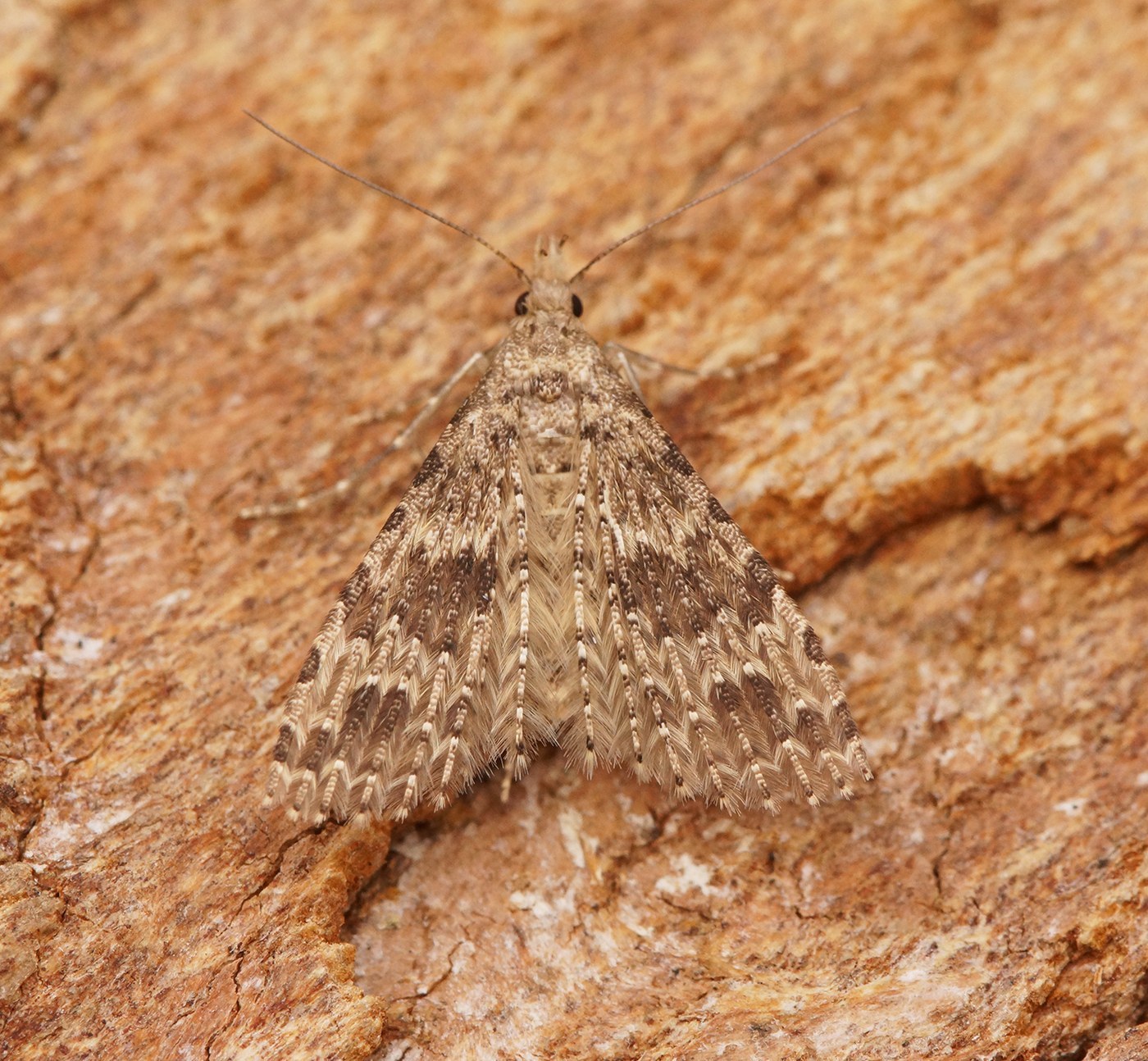
Twenty-plume Moth
Gardens, hedgerows, near honeysuckle
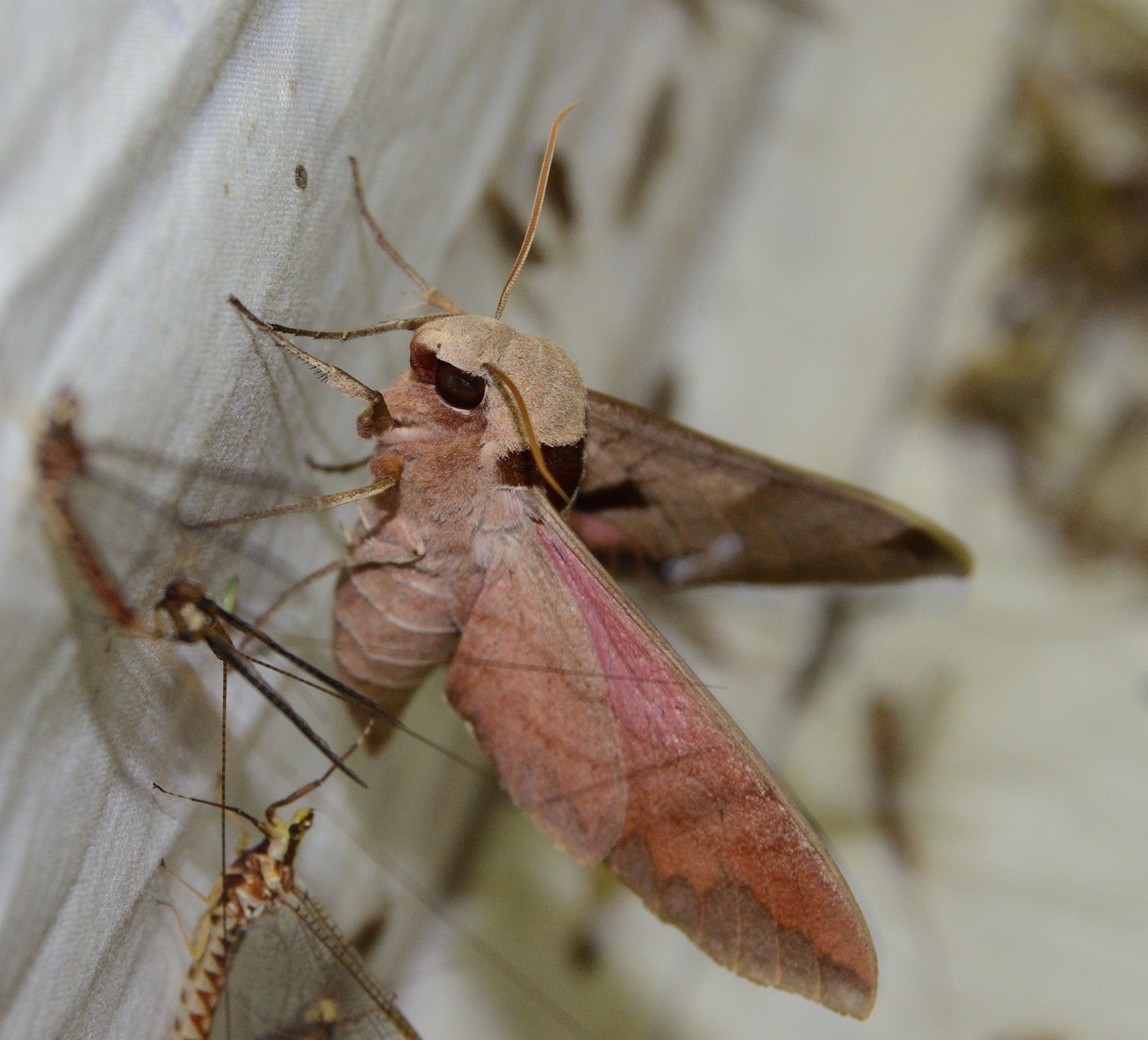
Achemon Sphinx Moth
Vineyards, woodland edges, gardens with wild grape
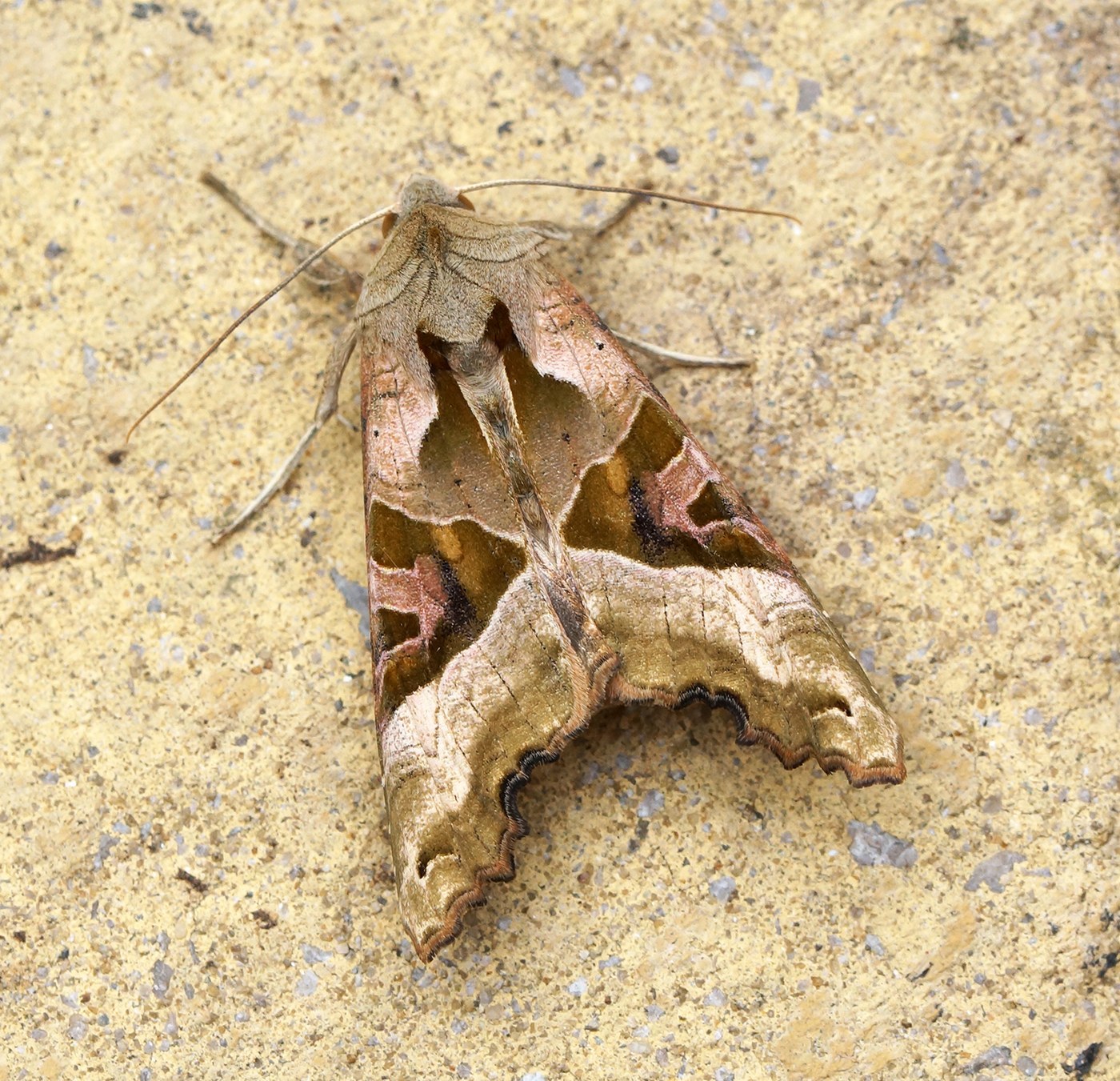
Angle Shades Moth
Gardens, hedgerows, woodland edges, urban parks
Atlas Moth
Tropical and subtropical lowland forests of Southeast Asia
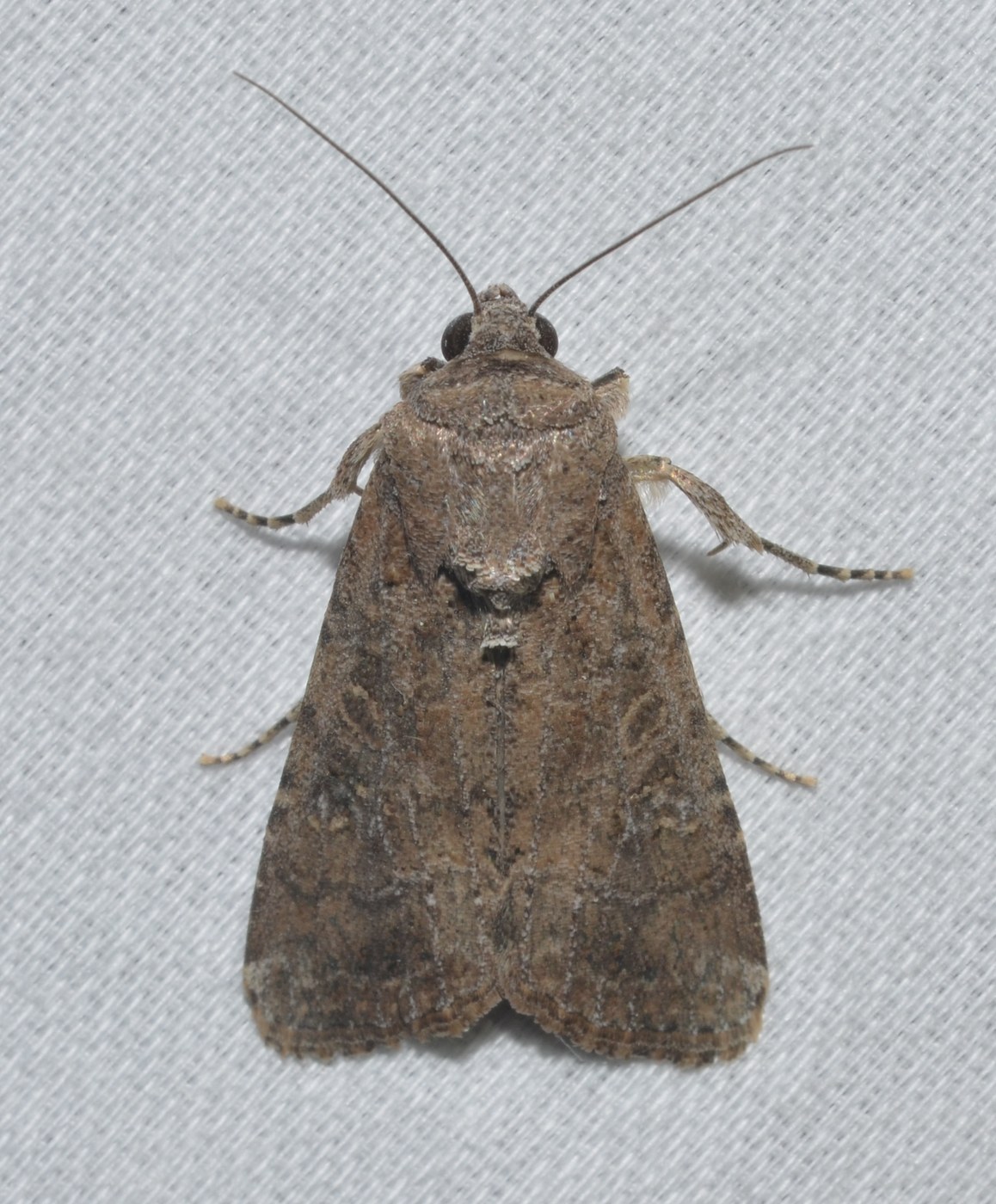
Armyworm Moth
Grasslands, pastures, farmland