Broad-Headed Bug Identification Guide
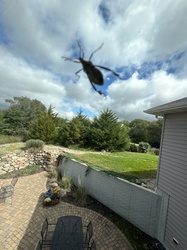
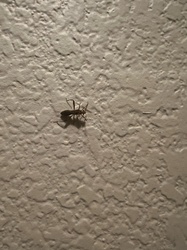
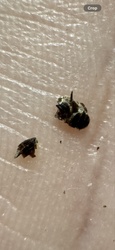
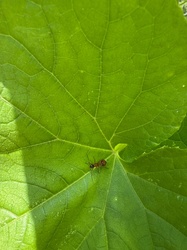
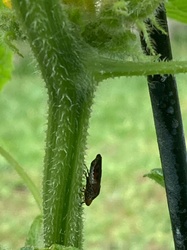
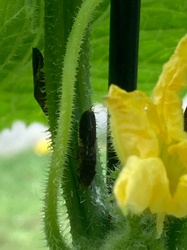
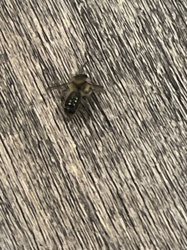
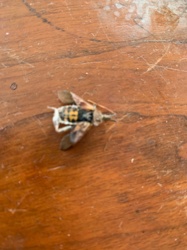
Spot a broad-headed bug by its wide, boxy head and narrow, wasp-like body often mistaken for a flying ant or wasp.
Read the full Broad-Headed Bug encyclopedia entry →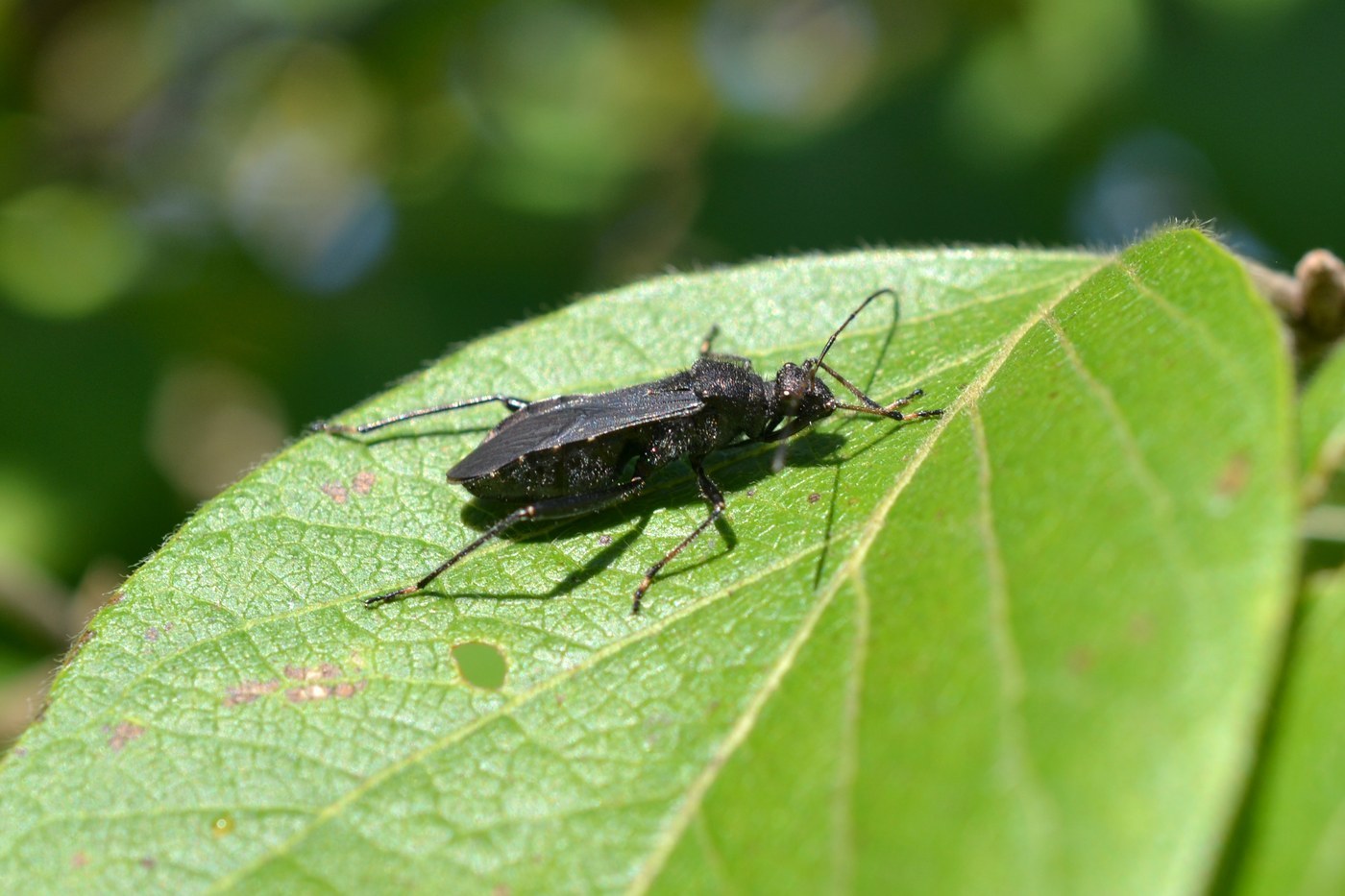
Key Visual Features
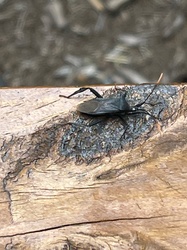
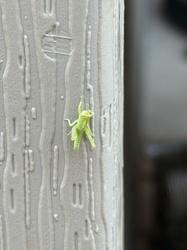
Broad-headed bugs (family Alydidae) are slender true bugs named for their unusually wide, squared-off head relative to the rest of the body, which gives them a distinctive silhouette often mistaken for a wasp.
- Size: About 10-16 mm (roughly 3/8 to 5/8 inch) long
- Color: Typically brown, gray, or blackish, sometimes with a subtle reddish or amber tinge
- Body shape: Narrow and elongated, resembling a wasp or narrow beetle more than a typical stink bug; the head is notably broad and box-like compared to the slender thorax and abdomen
- Wings: Leathery forewing bases with membranous tips, folded flat and extending close to the body's narrow outline
- Legs: Long and slender, with the hind legs sometimes slightly thickened or spined in some species
- Antennae: Four-segmented, long and thread-like, often held forward
- Markings: Generally more uniformly colored than many patterned true bugs, relying on body shape rather than bold color contrast for identification
Where and When You'd See It
Broad-headed bugs are found in grasses, weedy fields, and areas with legumes or beans, where nymphs and adults feed on seed pods and foliage. They are active in warm months, spring through fall, and are often seen flying or walking among low vegetation. Their fast, buzzing flight and narrow body frequently lead to confusion with wasps at first glance, especially in open, sunny habitats.
Similar-Looking Bugs
- Wasps: The most common mix-up; broad-headed bugs share a narrow waist-like profile and quick flight, but have piercing-sucking mouthparts rather than a wasp's distinct waist and stinger, along with the characteristic true-bug wing fold.
- Leaf-footed bugs: Broader overall body with flared, leaf-shaped hind legs, unlike the narrow, straight-sided legs of broad-headed bugs.
- Assassin bugs: Also narrow-bodied, but typically have a curved beak held beneath the head and a less squared-off head shape.
- Stink bugs: Broad, shield-shaped body, a stark contrast to the narrow, elongated form of broad-headed bugs.
Quick ID Checklist
- Narrow, elongated, wasp-like body, 10-16 mm long
- Notably broad, squared-off head compared to the slender thorax
- Brown, gray, or blackish coloring, generally without bold patterns
- Found in grasses and weedy fields, often near legume or bean plants
- Fast, buzzing flight that can resemble a wasp
Frequently asked questions
Why is the broad-headed bug often mistaken for a wasp?
Its narrow, elongated body and fast, buzzing flight resemble a wasp, but a closer look reveals piercing-sucking mouthparts and the folded wing structure typical of true bugs rather than a wasp's distinct waist and stinger.
What is the most distinctive feature of a broad-headed bug?
The head is unusually wide and box-like compared to the narrow thorax and abdomen, giving the insect its name and a recognizable silhouette.
Where would I find broad-headed bugs?
They are typically found in grasses, weedy fields, and areas with legume or bean plants, especially during warm months.
How big is a broad-headed bug?
Adults are generally 10-16 mm long, with a slender, elongated body shape.
Broad-Headed Bug identified by the community
Recent Broad-Headed Bug finds identified with Bug Identifier.