
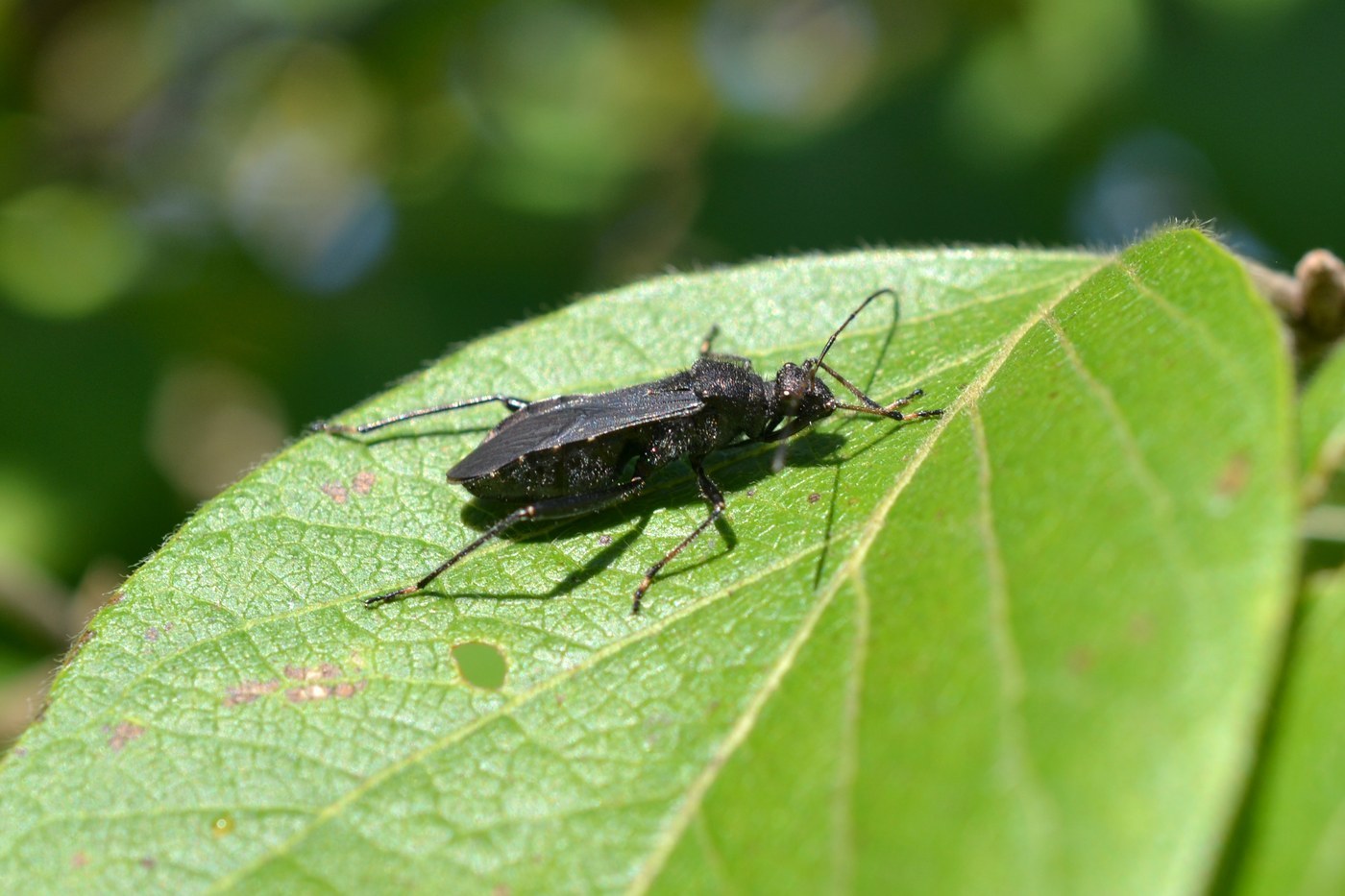
Broad-Headed Bug
Alydus eurinus
A slender, dark true bug with a notably wide head, whose nymphs are remarkable ant mimics that scurry among leaf litter before maturing into fliers that resemble small leaf-footed bugs.
- Size
- 10–15 mm
- Habitat
- Grasslands, legume fields, and weedy meadows
- Danger
- Nuisance pest
Spotted a bug like this?
Identify any bug or insect from a photo, free.
Overview
The broad-headed bug belongs to the family Alydidae, order Hemiptera, a group of true bugs closely related to the leaf-footed bugs and coreids, distinguished chiefly by their comparatively wide, robust heads relative to body size. The genus Alydus contains several similar species found across North America in grassy, weedy habitats.
Adults are elongated and somewhat resemble narrow leaf-footed bugs, typically dark brown to black with a slender build and long legs and antennae. What makes this group especially notable is the nymphal stage: young broad-headed bugs are striking ant mimics, with a similar body shape, coloration, and jerky, ant-like walking gait that likely helps them avoid predators by imitating unpalatable or aggressive ants.
As seed and legume feeders, broad-headed bugs occupy an ecological niche among grassland and meadow insect communities, with their ant-mimicking nymphs representing one of the more compelling examples of Batesian mimicry among true bugs.
How to Identify
- Elongated, narrow body with a noticeably broad, blocky head relative to the rest of the body.
- Dark brown to black coloration overall, sometimes with a slight reddish or grayish tinge.
- Long, thread-like antennae and long legs; wings fold flat over the body in adults.
- Nymphs are wingless and closely resemble large ants in shape, color, and movement, an adaptation known as ant mimicry.
- Distinguished from other coreid-relatives by the disproportionately wide head and the strongly ant-like appearance of the immature stages.
Habitat & Range
Found widely across North America in open, sunny habitats including grasslands, prairies, weedy fields, and areas with legume-family plants such as clover and vetch.
Active from late spring through fall, broad-headed bugs are often found low in vegetation or on the ground near legume host plants, with nymphs frequently seen moving among leaf litter and low grass in an ant-like manner.
Behavior & Diet
Broad-headed bugs feed primarily on the seeds and developing pods of legume-family plants, using their piercing-sucking mouthparts to extract nutrients. Nymphs display remarkable ant-mimicking behavior, moving with a quick, jerky gait and holding their body in ant-like postures, which may help them avoid predators that avoid ants.
Adults are capable fliers and disperse more readily than the flightless nymphs. They do not bite or sting people; ecologically they serve as seed predators within grassland and legume plant communities and are themselves preyed upon by birds and predatory insects, despite their nymphal camouflage.
Life Cycle
Females lay eggs in small groups on host plant stems or in leaf litter near legumes. Nymphs hatch and pass through five instars of incomplete metamorphosis, spending much of their immature life mimicking ants before developing wings and the broader-headed adult form.
One to two generations can occur per year depending on climate. Adults typically overwinter in sheltered leaf litter or plant debris, becoming active again in spring as legume host plants resume growth.
Frequently asked questions
Why do the nymphs look like ants?
The wingless nymphs mimic the shape, color, and movement of ants, a defensive strategy known as mimicry that may help them avoid predators.
What does it eat?
It feeds primarily on the seeds and pods of legume-family plants such as clover and vetch.
Is it related to leaf-footed bugs?
Yes, it belongs to a closely related family (Alydidae) within the same broader group of true bugs, though it lacks the flattened hind legs of true leaf-footed bugs.
Does it bite people?
No, its mouthparts are adapted for feeding on plant seeds rather than biting humans.
Broad-Headed Bug guides
In-depth guides for identifying, understanding, and living alongside Broad-Headed Bug.
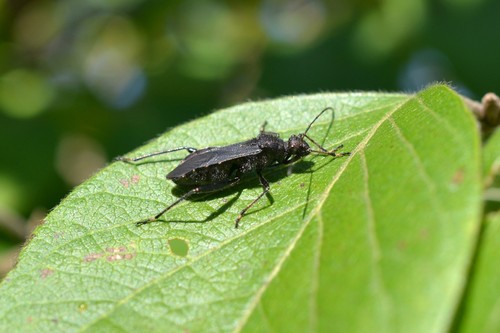
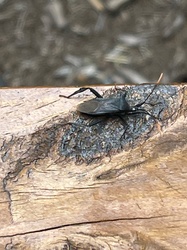
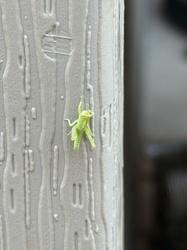
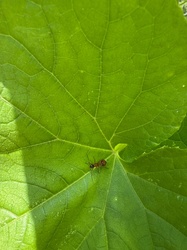
Broad-Headed Bug identified by the community
Real finds identified with Bug Identifier.
Other bugs you may enjoy
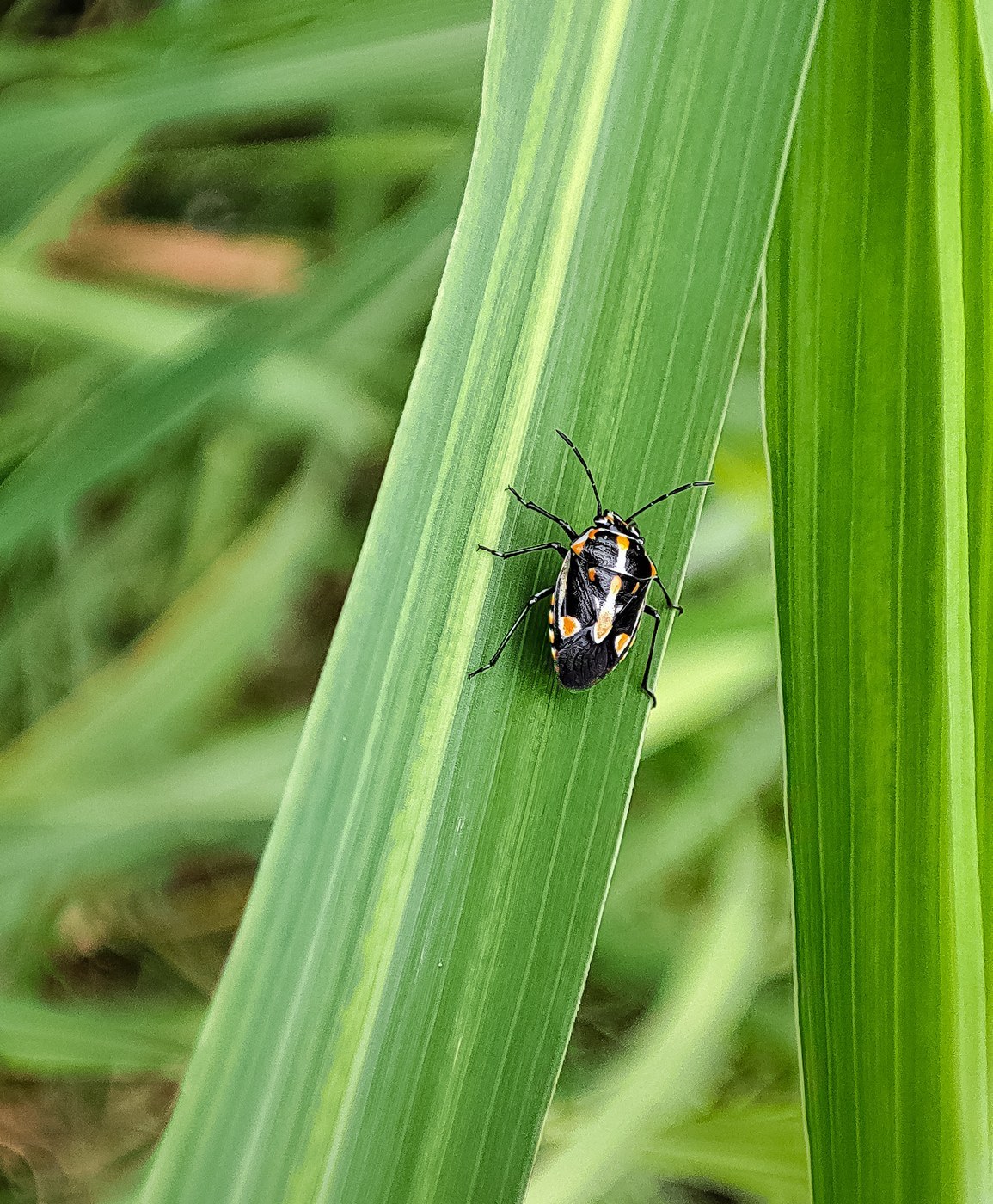
Bagrada Bug
Arid gardens, crucifer fields, desert-adjacent croplands
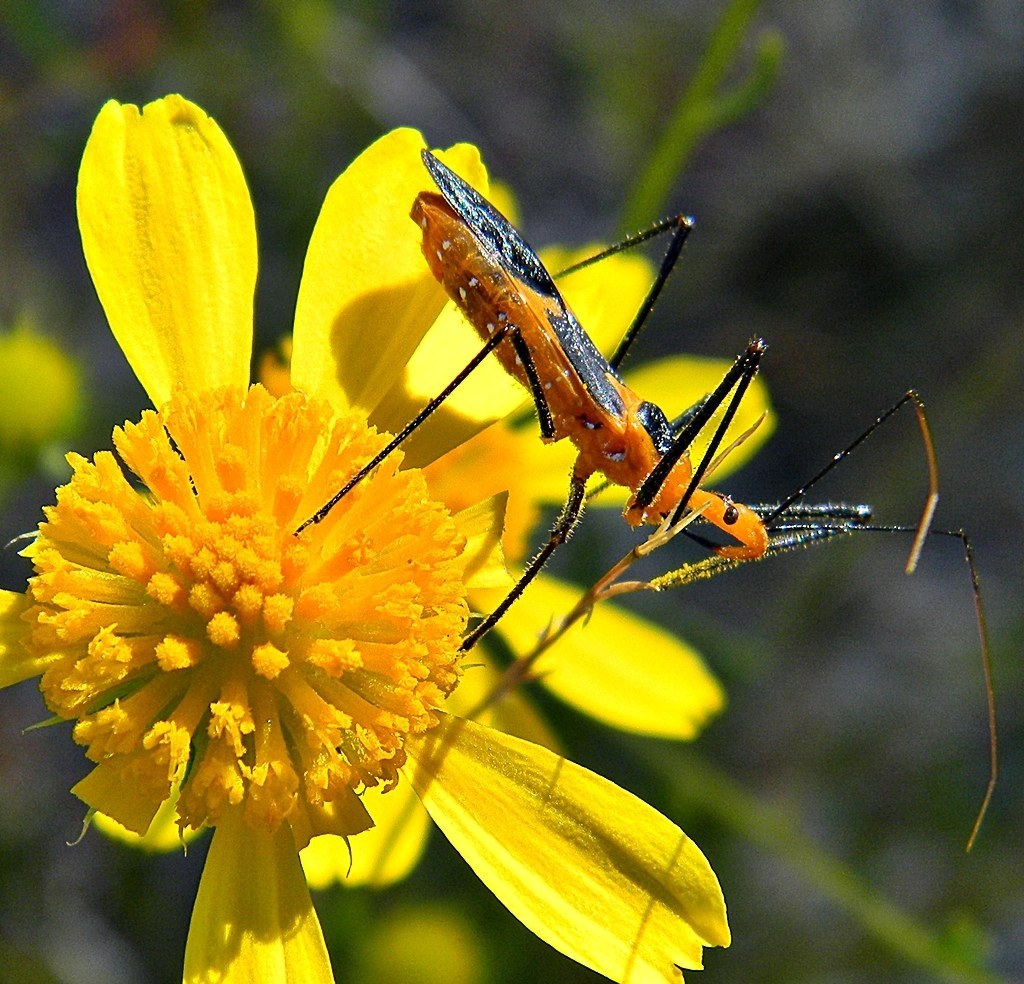
Assassin Bug
Gardens, meadows, and vegetation worldwide
Water Boatman Bug
Ponds, lakes, and slow-moving freshwater
Water Stick Insect
Still and slow-moving water with dense submerged vegetation
Rough Stink Bug
Tree bark, woodlands, orchards, and shrubby vegetation
Stink Bug
Gardens, crop fields, and woodlands across temperate and subtropical regions
Squash Bug
Vegetable gardens and farm fields growing squash, pumpkin, and other cucurbits
Aphid
On stems, leaves, and buds of a very wide range of host plants
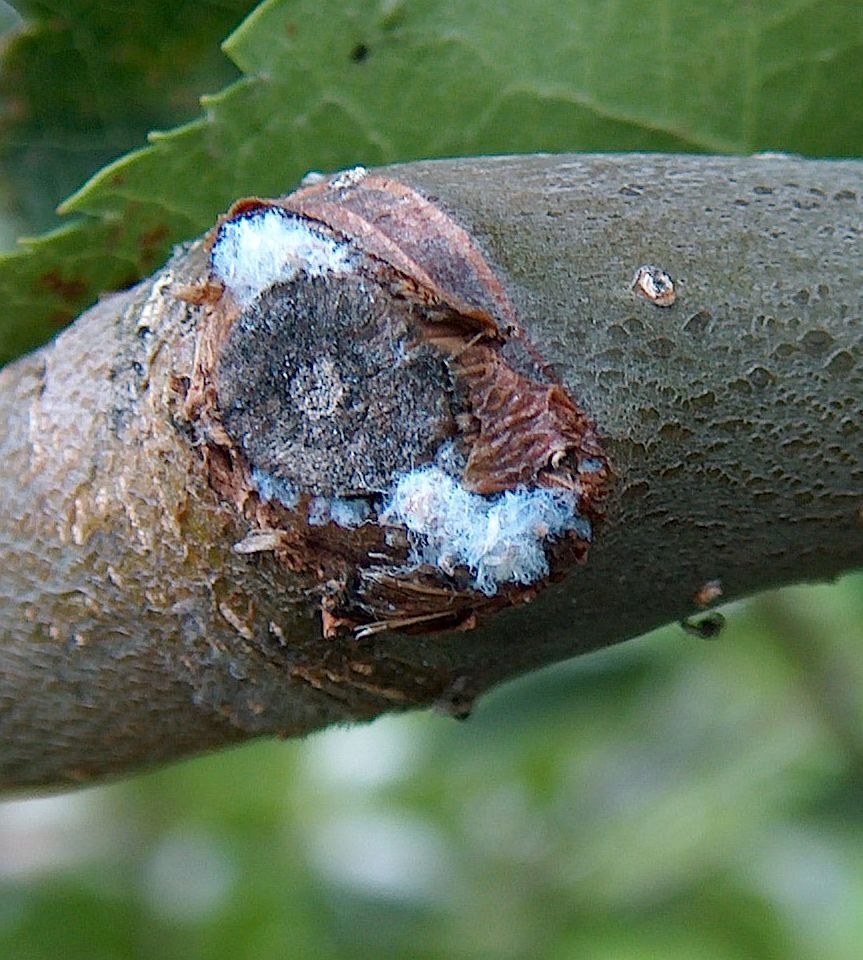
Woolly Aphid
Bark crevices, root collars, and twigs of apple, elm, and alder trees
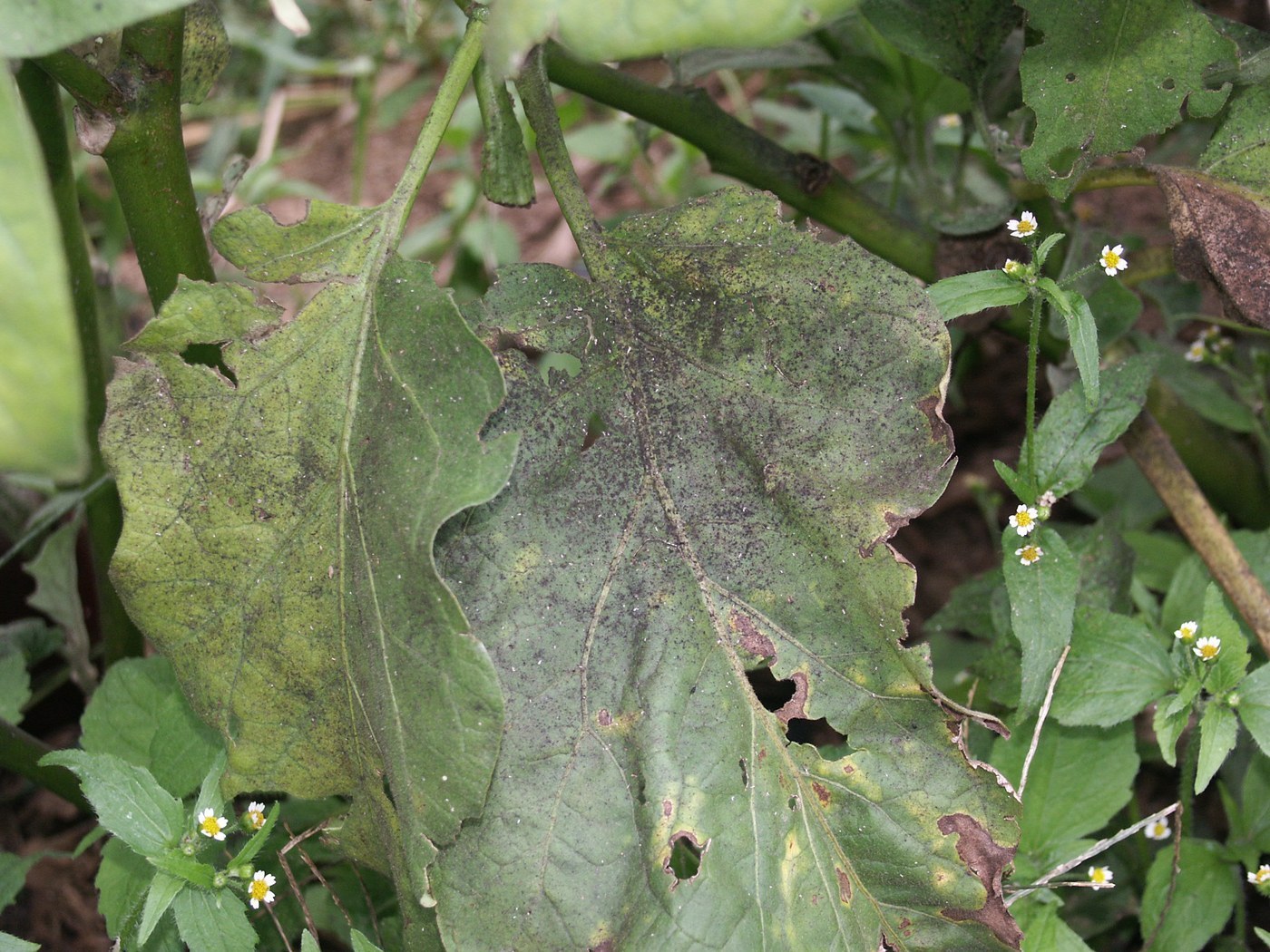
Whitefly
Greenhouses, gardens, and undersides of leaves on host plants
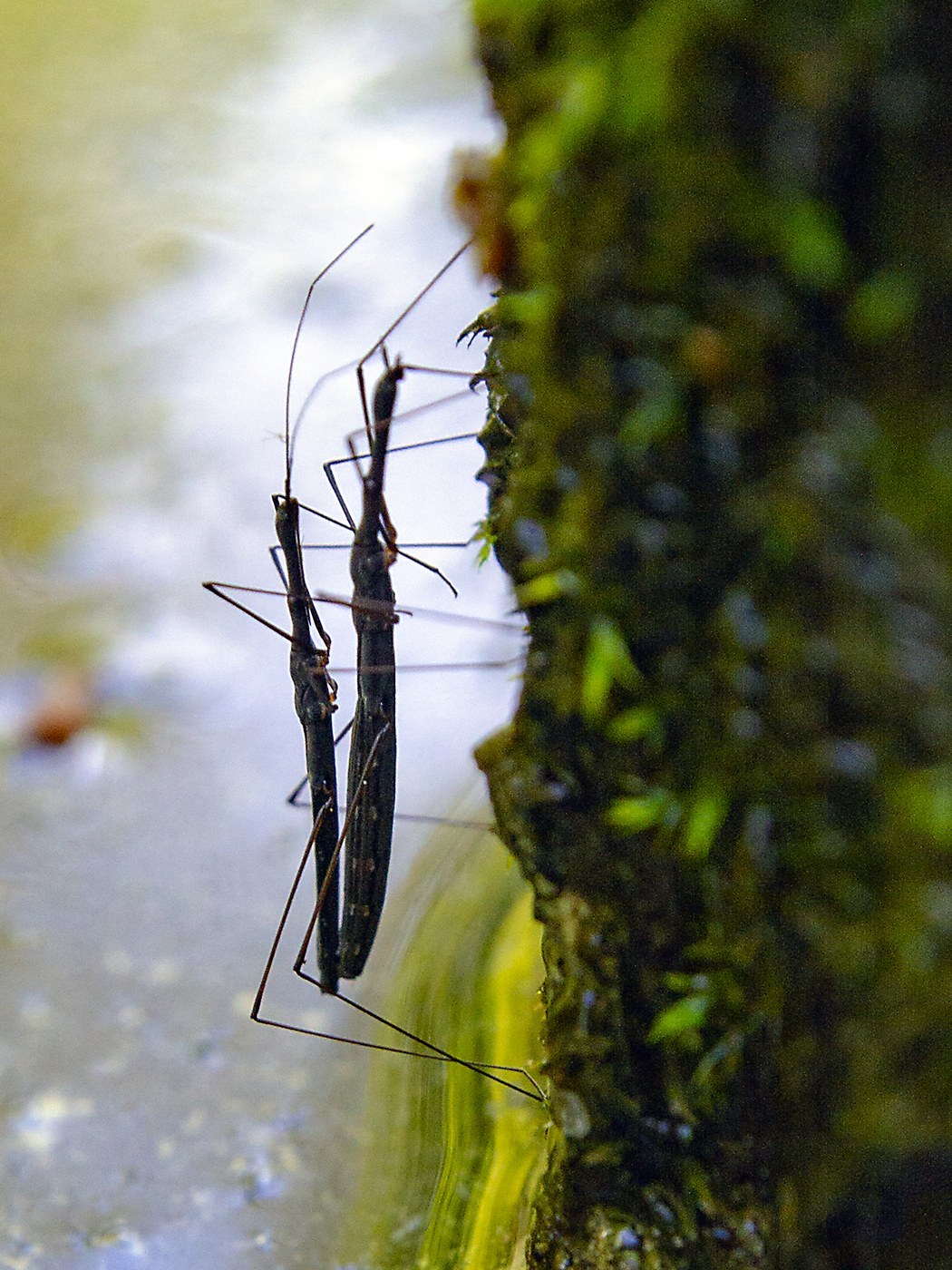
Water Measurer
Quiet edges of ponds, marshes, and slow streams
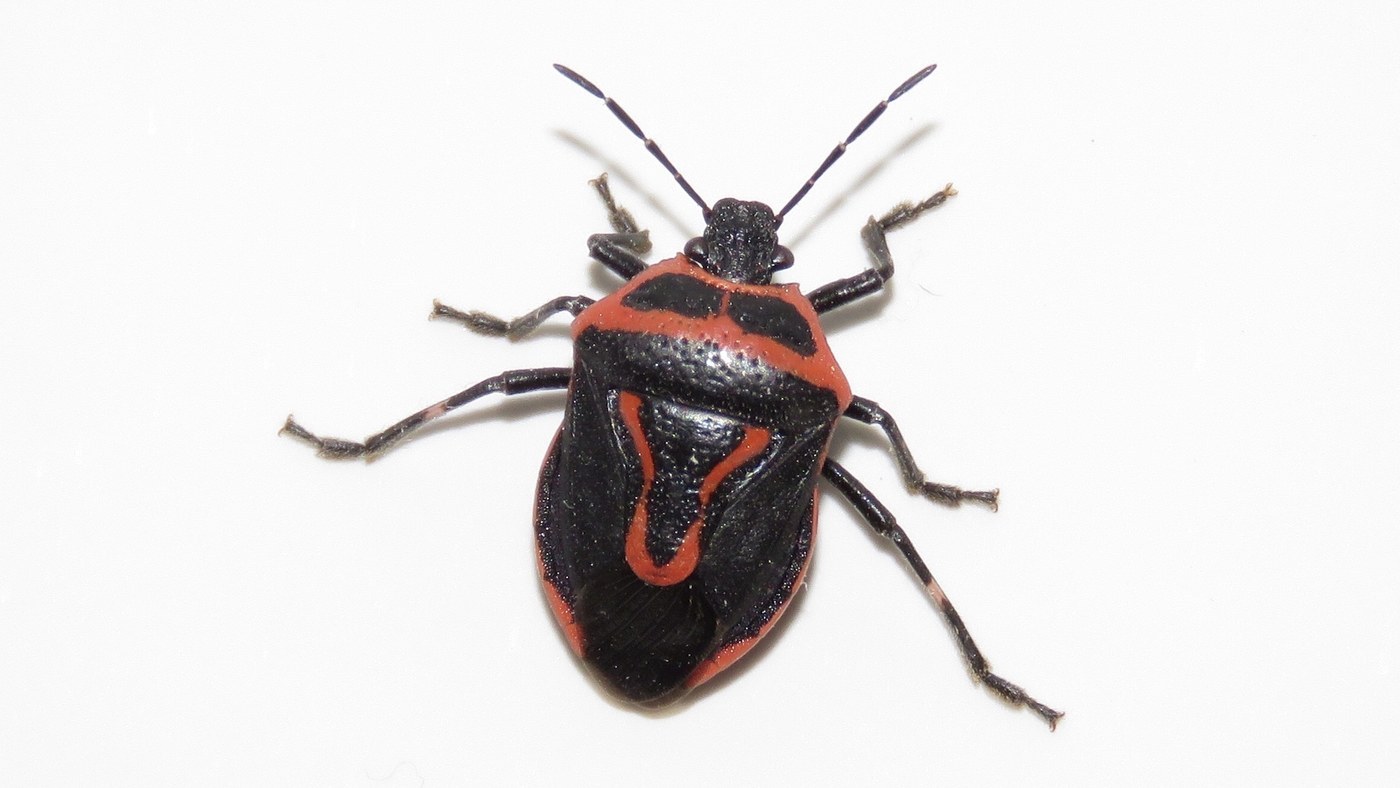
Two-Spotted Stink Bug
Gardens and fields with potato and nightshade-family plants