Cockchafer Identification Guide
Identify this large springtime scarab beetle by its reddish-brown wing covers, fan-like antennae, and buzzing evening flight.
Read the full Cockchafer encyclopedia entry →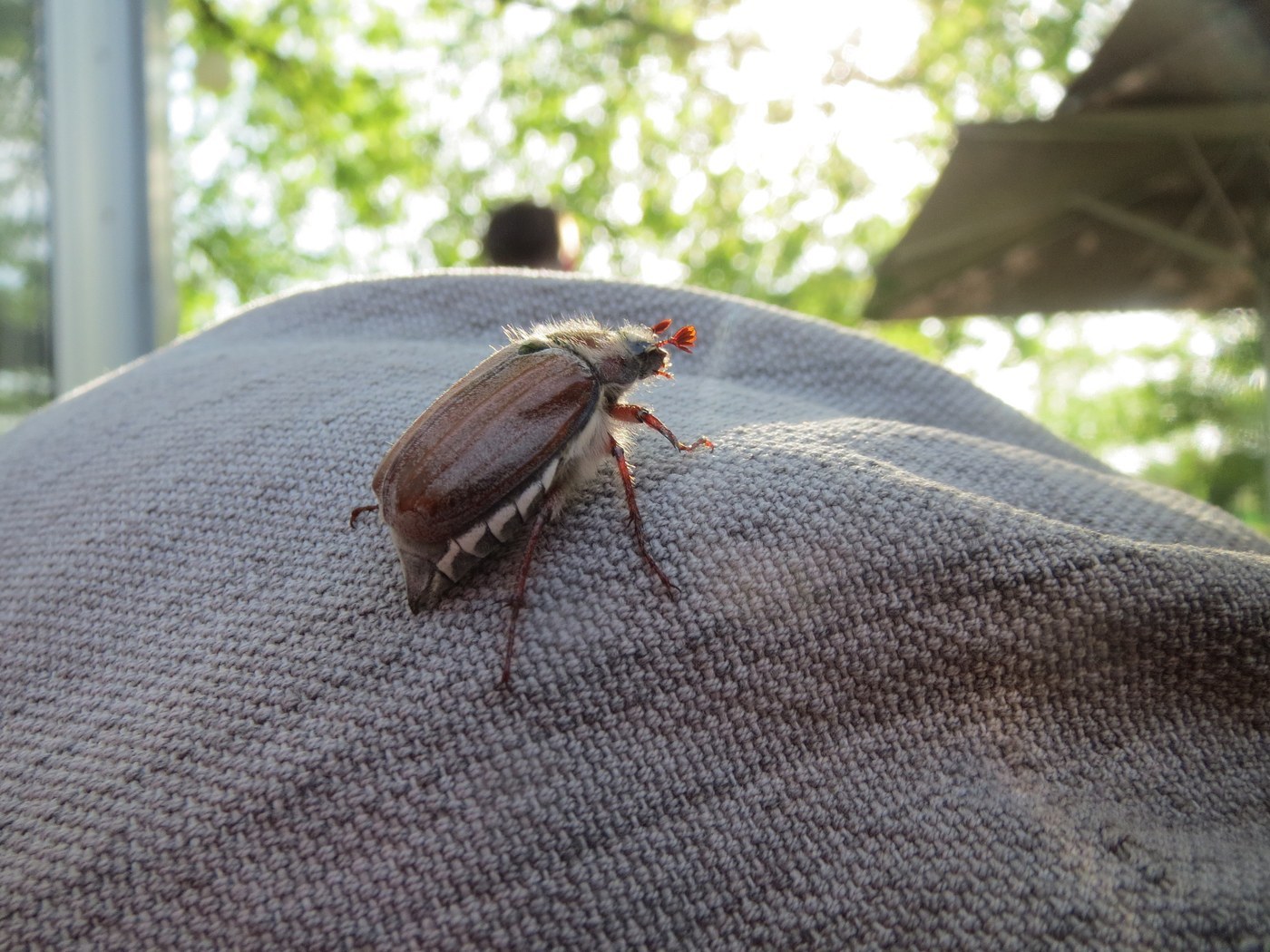
Key Visual Features
The cockchafer, also known as the May bug or June bug in parts of Europe, is a robust scarab beetle recognizable by its size and distinctive fan-shaped antennae.
- Size: Large-bodied beetle, roughly 1 to 1.2 inches (25-30 mm) long.
- Color: Reddish-brown to chestnut wing covers (elytra) with a black or dark brown head and thorax, often with a fine covering of short gray-white hairs on the sides of the abdomen.
- Body shape: Stout, oval, heavily built body typical of scarab beetles, tapering to a pointed rear end (the pygidium) that extends visibly beyond the wing covers.
- Wings: Hardened, ridged elytra cover the abdomen partially, with membranous flight wings folded beneath; capable of loud, clumsy buzzing flight.
- Legs: Sturdy, reddish-brown legs with claws adapted for gripping bark and foliage.
- Antennae: The signature feature — short antennae ending in a broad, fan-shaped club made of flat plates (lamellae) that the beetle can open and close; males have larger fans than females.
Where and When You'd See One
Cockchafers emerge in spring, typically April through June, giving rise to the common name "May bug." Adults are active at dusk and after dark, often seen bumbling clumsily around trees, hedgerows, and outdoor lights, or heard buzzing loudly in flight. They favor deciduous woodland edges, parks, and gardens with trees such as oak and hornbeam, where adults feed on leaves. Their larvae (large white grubs) develop in soil for several years before adults emerge.
Similar-Looking Bugs
- Summer chafer: Smaller and more slender than the cockchafer, active a bit later in summer, with a less pronounced pointed rear end.
- June beetles (Phyllophaga): North American relatives, generally smaller, more uniformly brown, and lacking the cockchafer's pronounced tapering abdomen tip.
- Rose chafer: Smaller, metallic green, and active by day on flowers, unlike the dull reddish-brown, dusk-flying cockchafer.
- Stag beetle: Much larger with prominent antler-like mandibles in males; cockchafers have no such jaws and rely on their fan antennae as the key feature.
Quick ID Checklist
- Fan-shaped, plated antennae tip (larger in males)
- Reddish-brown elytra with a dark head and thorax
- Pointed abdomen tip visible past the wing covers
- Loud, clumsy buzzing flight at dusk
- Seen around trees and lights in spring (April-June)
Frequently asked questions
What is the best single feature to identify a cockchafer?
Look at the antennae tips — cockchafers have distinctive fan-shaped clubs made of flat plates that they can spread open, larger and more pronounced in males than females.
When is the best time of year to see a cockchafer?
Adults emerge and are most commonly seen from April through June, especially at dusk, which is why they're widely nicknamed the May bug.
How do I tell a cockchafer from a similar-looking June beetle?
Cockchafers are larger overall, have a noticeably pointed abdomen tip extending past the wing covers, and sport more pronounced fan-shaped antennae than most North American June beetles.
Why do I hear buzzing around trees at night in spring?
Cockchafers fly clumsily and loudly at dusk and after dark, bumping into branches, walls, and lit windows as they move between feeding sites in trees.
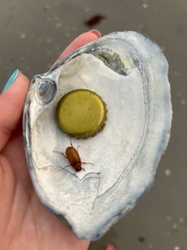
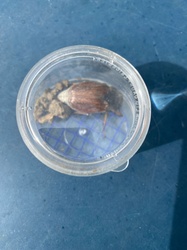
Cockchafer identified by the community
Recent Cockchafer finds identified with Bug Identifier.