
Cockchafer
Melolontha melolontha
A large, reddish-brown scarab beetle with distinctive fan-shaped antennae, famous for its noisy, clumsy evening flights around trees in late spring, giving rise to its alternate name, the May bug.
- Size
- 20–30 mm
- Habitat
- Deciduous woodlands, hedgerows, grasslands, and agricultural land across Europe
- Danger
- Harmless
Spotted a bug like this?
Identify any bug or insect from a photo, free.
Overview
The cockchafer is a large scarab beetle in the family Scarabaeidae, native to Europe and well known historically as a periodic agricultural pest as well as a familiar seasonal insect associated with the arrival of late spring. Its emergence in large numbers during May in many years gave rise to its common alternate name, the May bug or May beetle.
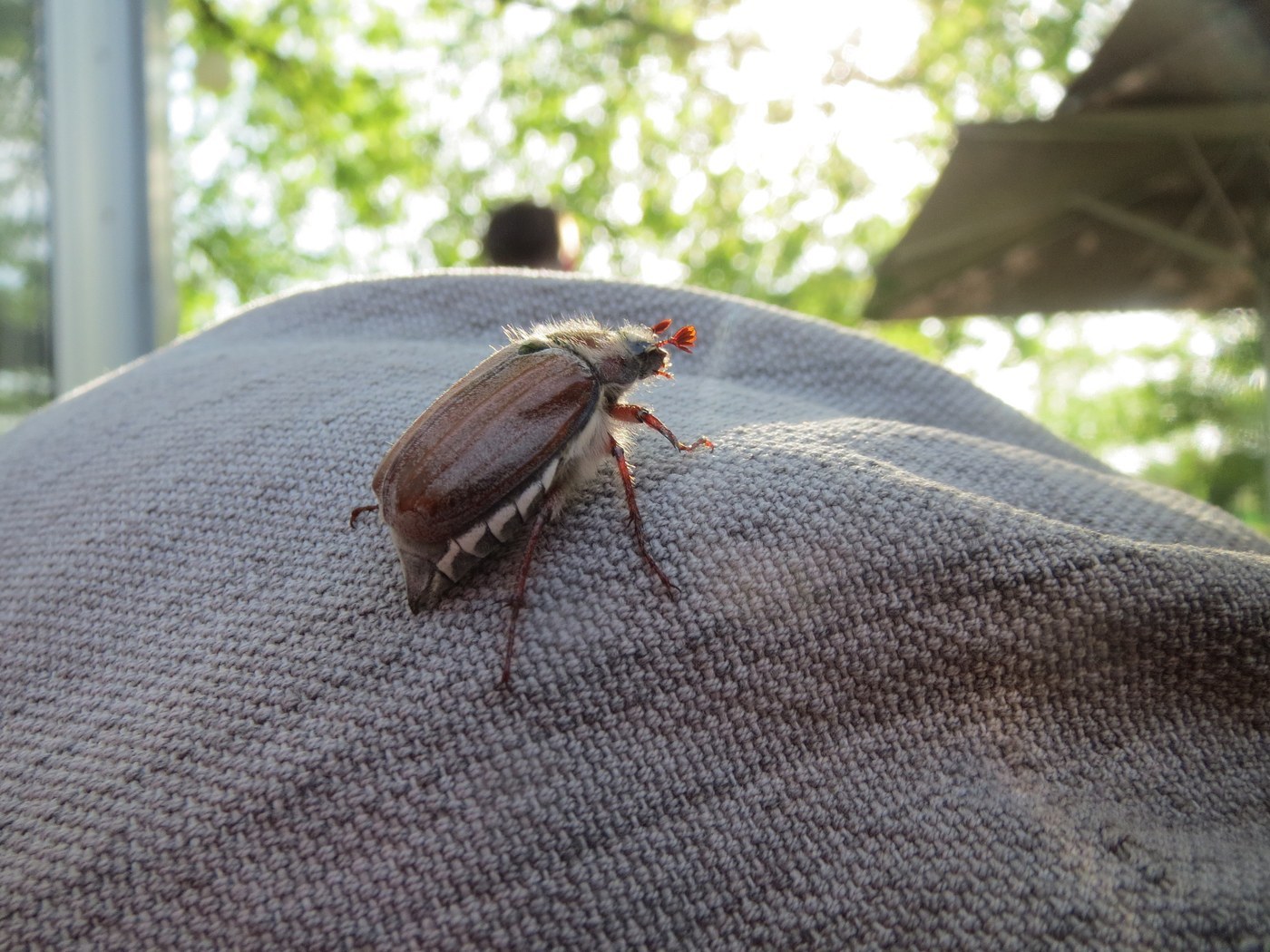
Adults are robust, reddish-brown to chestnut-colored beetles with a somewhat elongated oval body, covered in fine short hairs that give the wing covers a slightly velvety texture. One of its most distinctive features is its antennae, which end in a set of broad, fan-like plates that can be spread open or folded closed, more pronounced in males than females.
Historically significant in European folklore and agricultural history due to periodic population booms that caused notable crop and woodland damage, the cockchafer remains an ecologically important insect, with its subterranean larvae, called white grubs, playing a role in soil ecosystems, and adults serving as a food source for various birds and mammals.
How to Identify
- Adult body is robust and elongated-oval, typically 20–30 mm long, reddish-brown to chestnut on the wing covers with a darker, often blackish head and thorax.
- Fine short hairs cover parts of the body, giving a slightly fuzzy or velvety texture, particularly along the sides of the abdomen, which tapers to a pointed tip visible beyond the wing covers.
- Antennae terminate in distinctive fan-shaped clubs made of flattened plates called lamellae, notably larger and more elaborate in males than in females.
- Legs are stout and equipped with claws adapted for gripping foliage and bark.
- Larvae (white grubs) are large, plump, C-shaped, creamy white grubs with a brown head, living underground and resembling the larvae of related scarab beetles such as June beetles.
Habitat & Range
The cockchafer is native to Europe, found from the British Isles across much of continental Europe into parts of western Asia. It inhabits deciduous woodlands, hedgerows, parkland, grasslands, and agricultural land, with larvae developing in soil beneath grasslands, meadows, and cultivated fields.
Adults emerge and are most active during a relatively short period in late spring, typically around May, giving rise to their alternate common name. They are most active at dusk and after dark, when males in particular take to noisy, somewhat clumsy flight in search of mates and feeding sites among tree foliage.
Behavior & Diet
Adult cockchafers feed on the leaves and blossoms of deciduous trees such as oak, while the larvae live underground for several years feeding on the roots of grasses and various plants. Adults are known for their loud, buzzing flight and relatively clumsy, heavy-bodied movement through the air, often colliding audibly with obstacles such as windows or walls as they fly toward lights at dusk.
Cockchafers are historically notable for occasional population explosions in some regions of Europe, when large synchronized emergences of adults would occur roughly every few years, tied to the multi-year development period of the underground larvae. Adults are relatively short-lived, focusing their brief above-ground period on feeding and reproduction before dying off within a few weeks.
Life Cycle
Cockchafers undergo complete metamorphosis, passing through egg, larva, pupa, and adult stages, with the larval stage notably prolonged compared to many other beetles. Females lay eggs in the soil, and larvae (white grubs) hatch and spend an extended period underground, often three to four years depending on climate and region, feeding on the roots of grasses and other plants while growing through several instars.
Mature larvae eventually pupate in the soil, typically in late summer or fall, with adults sometimes remaining in the pupal chamber underground through the winter before emerging the following spring. Adults emerge in a relatively synchronized burst in late spring, mate, and lay eggs before dying within a few weeks, completing a life cycle that from egg to adult can span several years overall, dominated by the long larval development period.
Frequently asked questions
Why is the cockchafer also called the May bug?
Its adults characteristically emerge in large numbers during the month of May in much of its European range, giving rise to this widely used alternate common name.
What do cockchafer larvae look like?
The larvae, called white grubs, are large, plump, creamy white, C-shaped grubs with a brownish head, living underground and feeding on plant roots for several years before pupating.
How can you recognize an adult cockchafer?
Look for a robust reddish-brown beetle around 20 to 30 millimeters long with distinctive fan-shaped antennae tips, a pointed abdomen extending past the wing covers, and a noisy, somewhat clumsy flight at dusk.
How long does a cockchafer live?
Most of its life, often three to four years, is spent underground as a larva; the winged adult stage above ground is comparatively brief, typically lasting only a few weeks in late spring.
Cockchafer guides
In-depth guides for identifying, understanding, and living alongside Cockchafer.
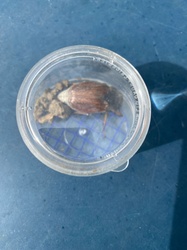
Cockchafer identified by the community
Real finds identified with Bug Identifier.
Other bugs you may enjoy
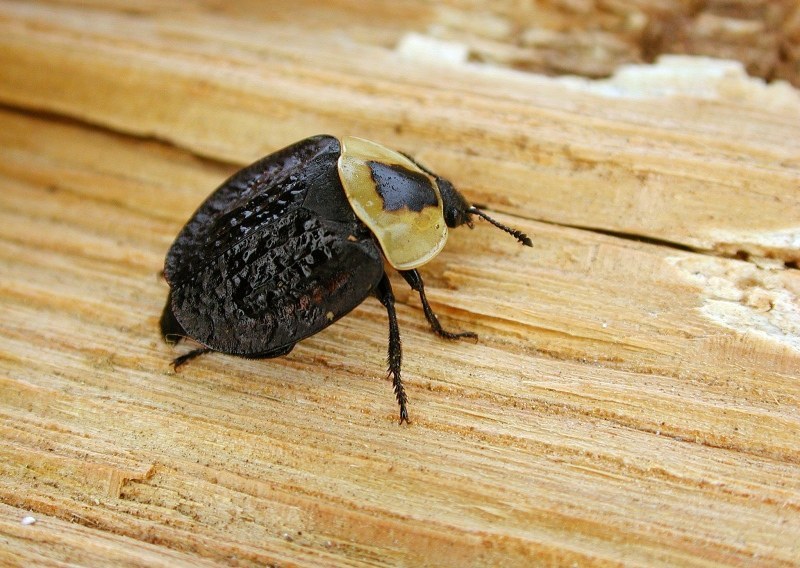
American Carrion Beetle
Forests, fields, and roadsides across North America, near decaying animal carcasses
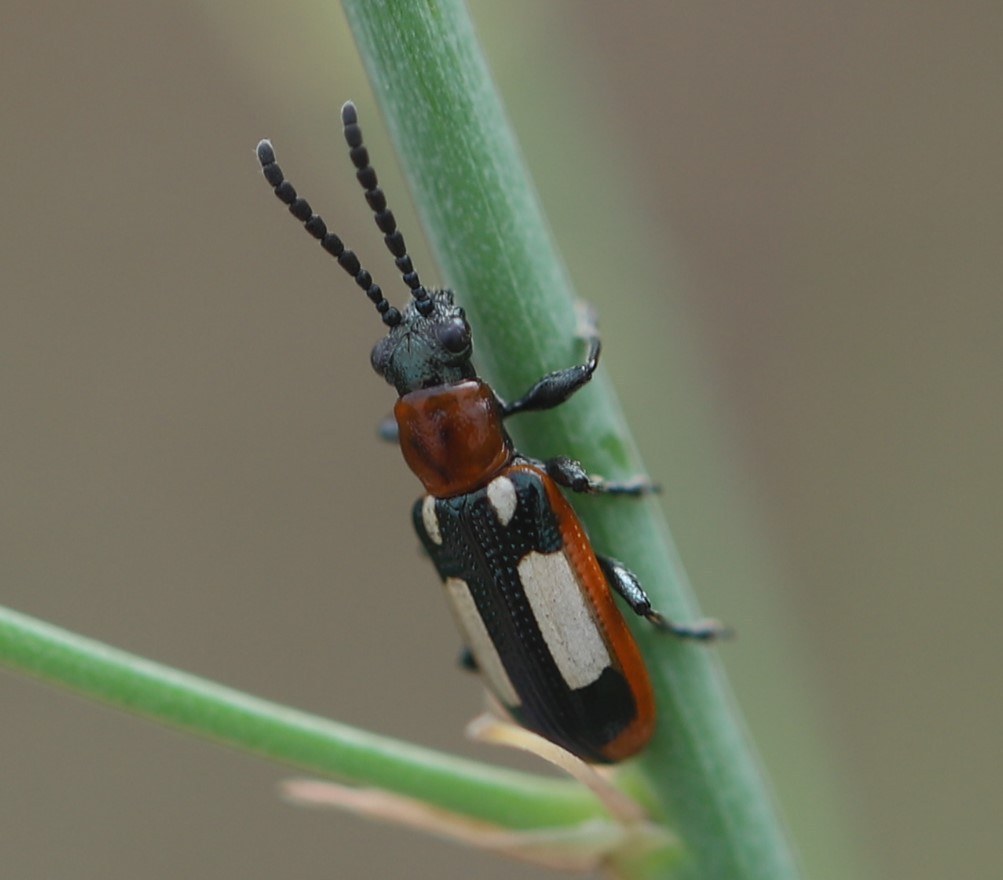
Asparagus Beetle
Asparagus patches, gardens, and farm fields
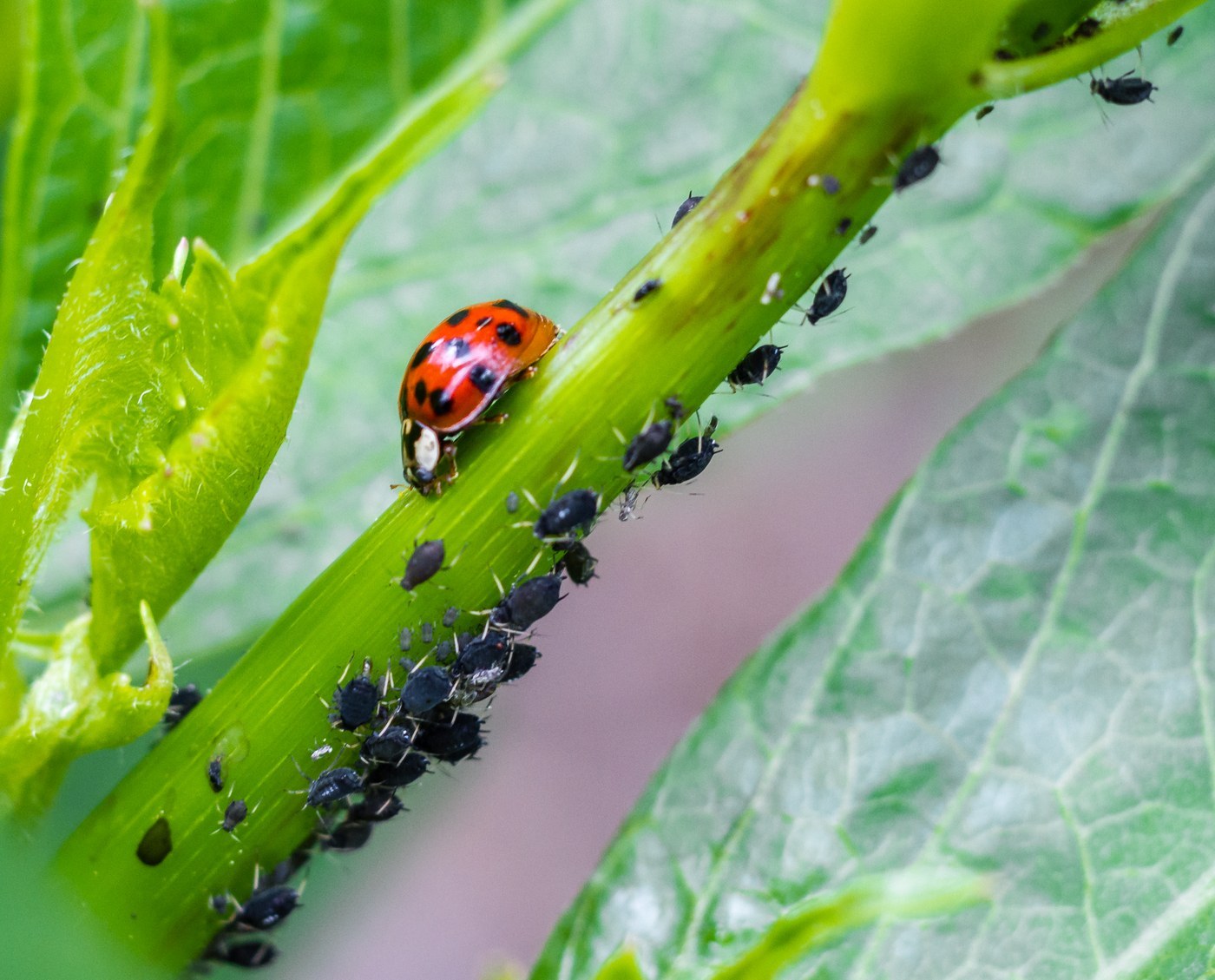
Asian Lady Beetle
Gardens, crop fields, woodlands, buildings
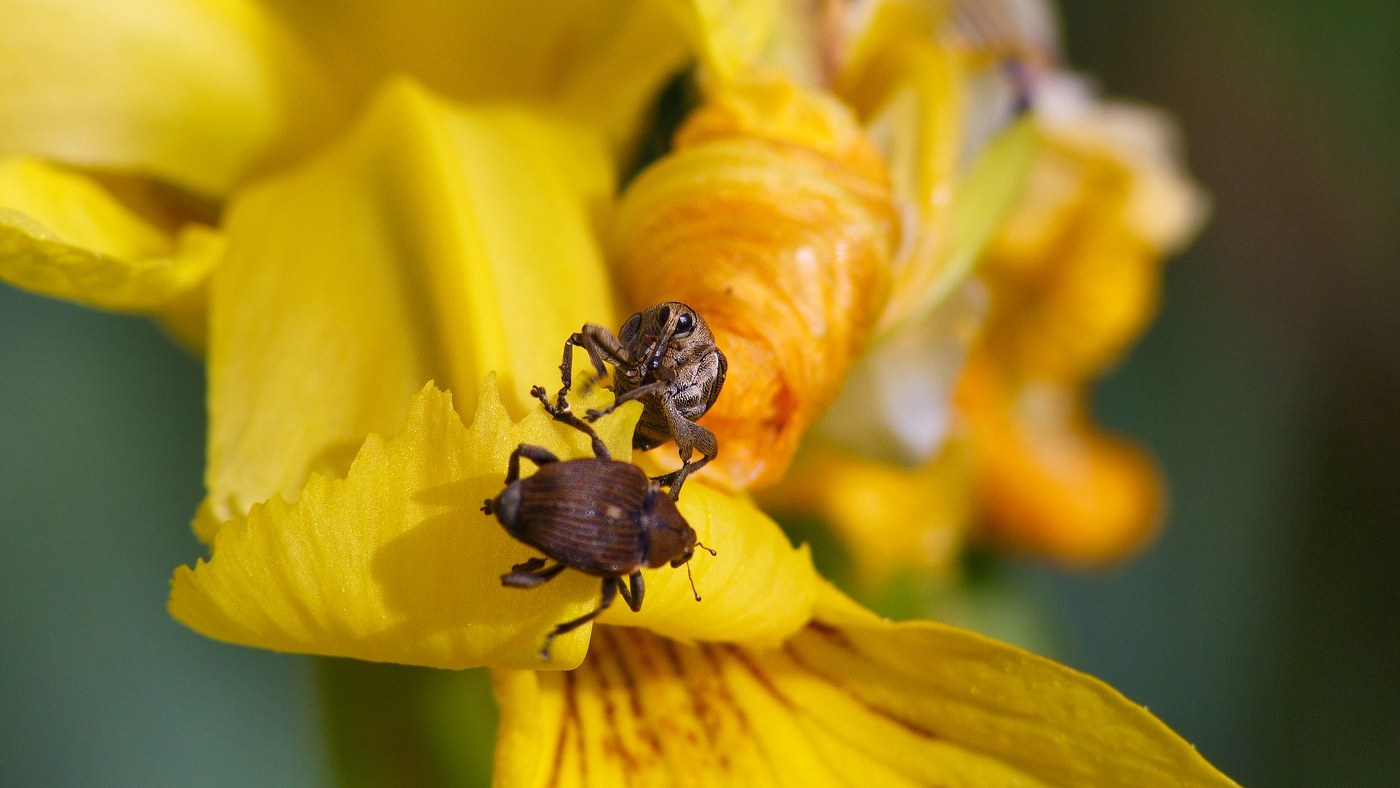
Acorn Weevil
Oak woodlands and forests, on and beneath oak trees
Wireworm
Soil of grasslands, gardens, and cultivated fields worldwide
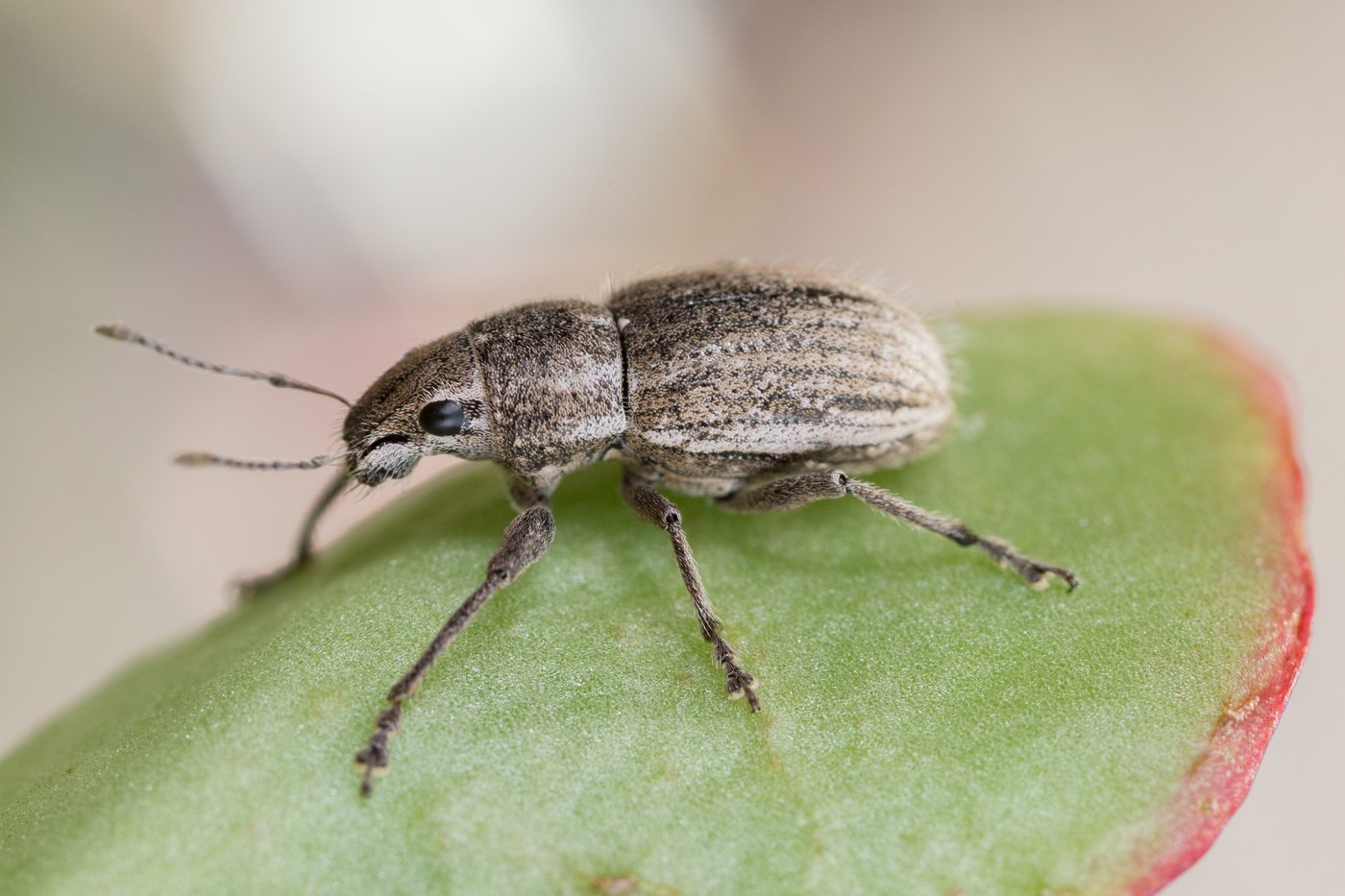
Whitefringed Beetle
Pastures, row crops, lawns, disturbed soils
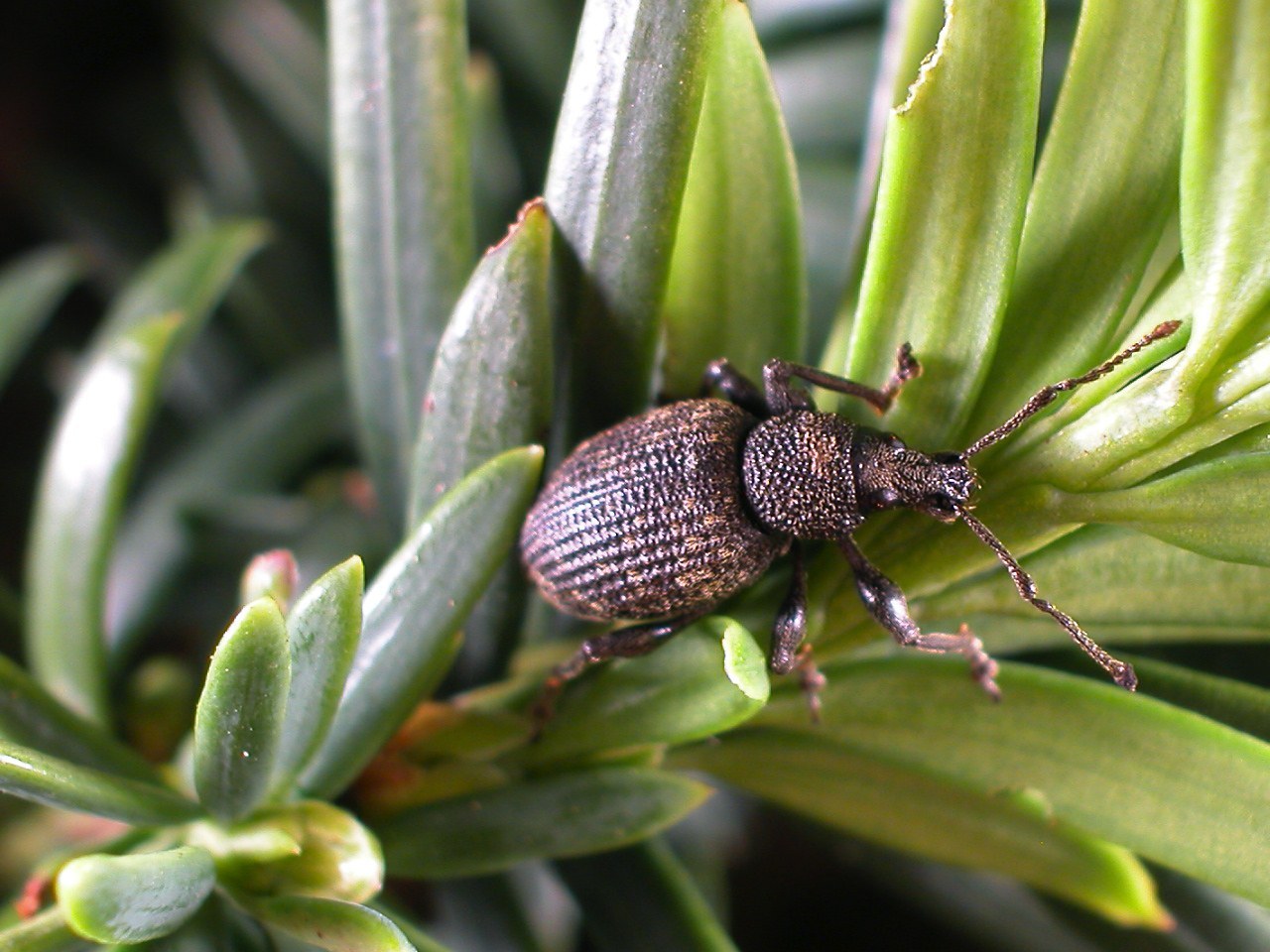
Vine Weevil
Gardens, nurseries, greenhouses, and container plantings
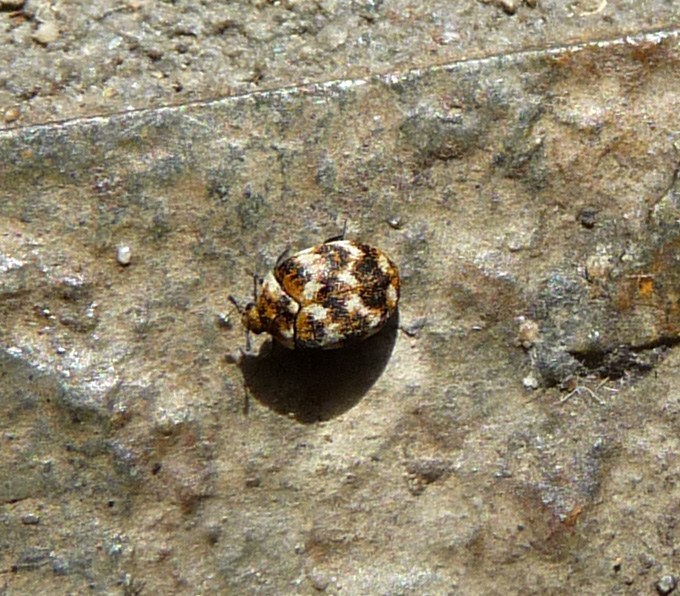
Varied Carpet Beetle
Homes, nests of birds and mammals, and flowers outdoors
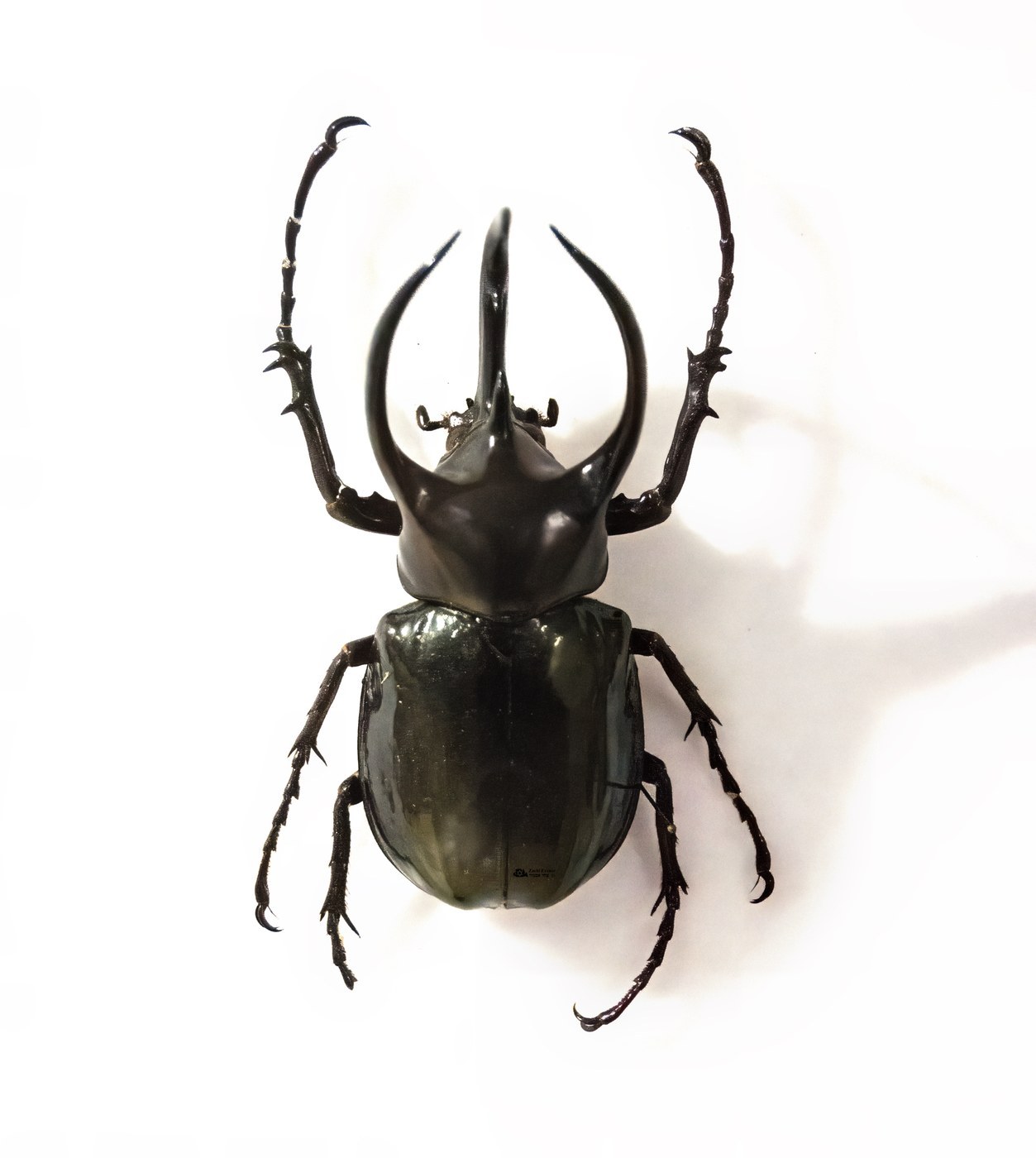
Atlas Beetle
Tropical forests of Southeast Asia
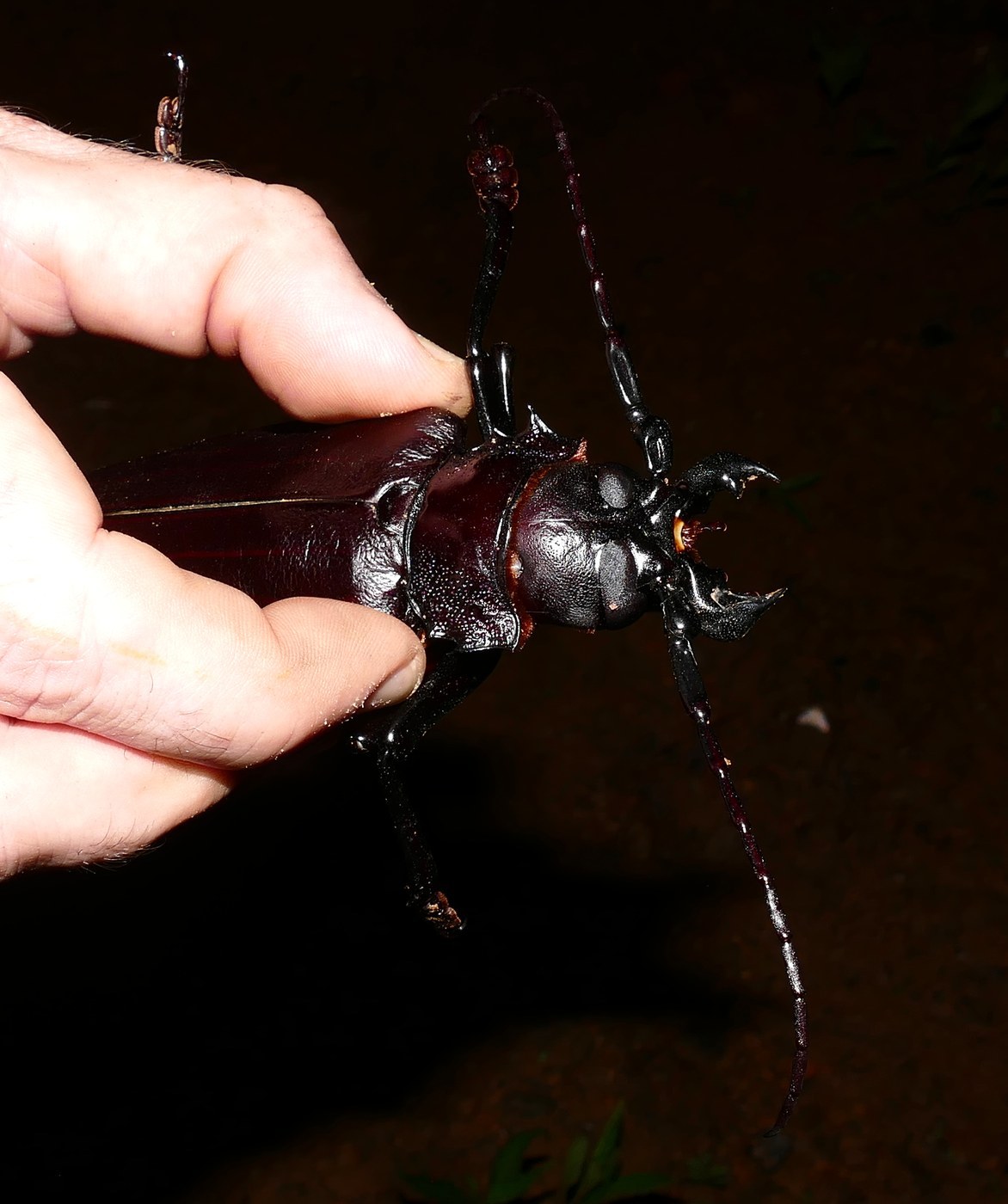
Titan Beetle
Amazon rainforest of South America
Ten-lined June Beetle
Sandy soils, pine forests, and orchards of western North America
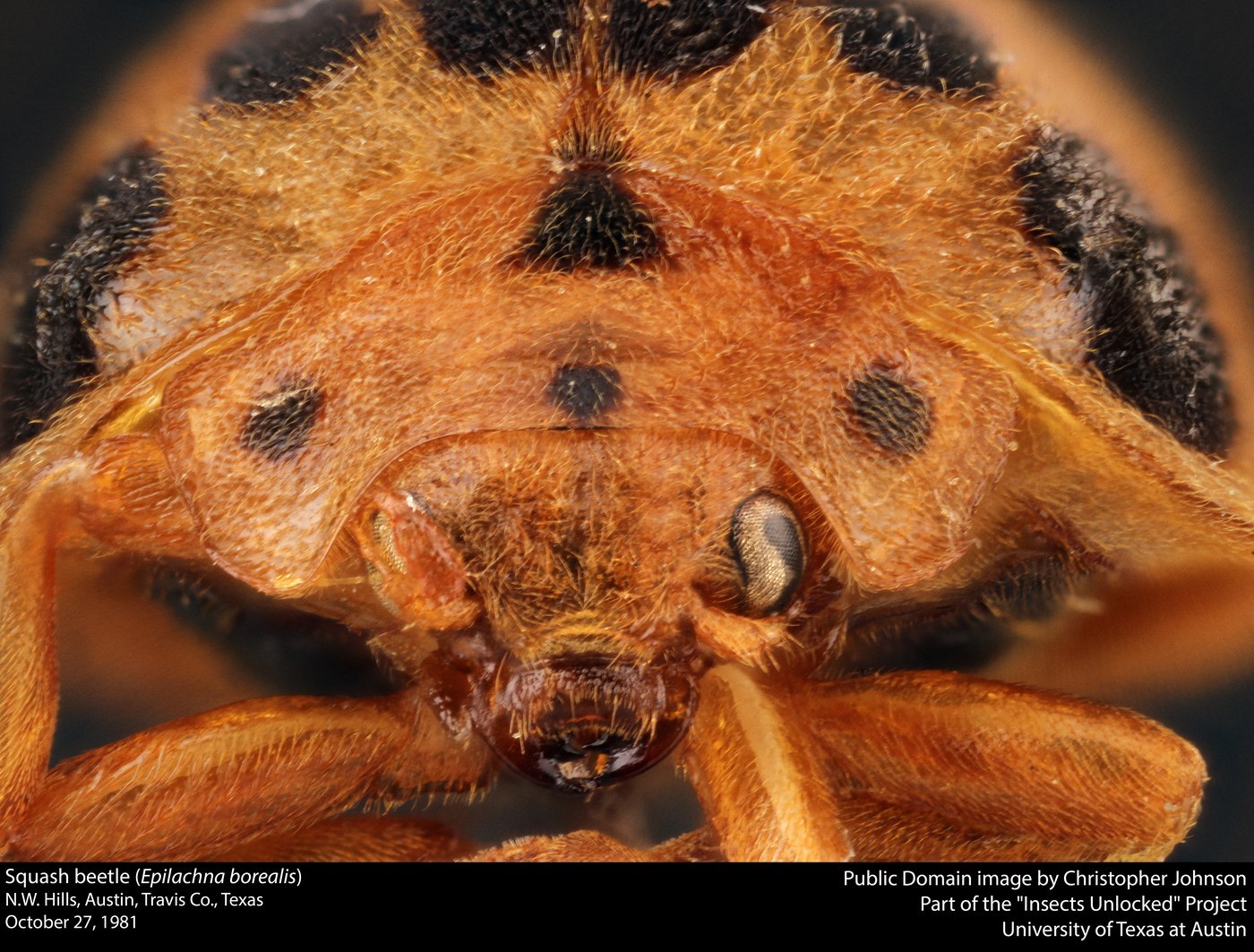
Squash Beetle
Vegetable gardens and fields growing squash, pumpkin, and other cucurbits