Diving Beetle Identification Guide
Recognize diving beetles by their smooth, streamlined bodies and powerful, synchronized swimming legs.
Read the full Diving Beetle encyclopedia entry →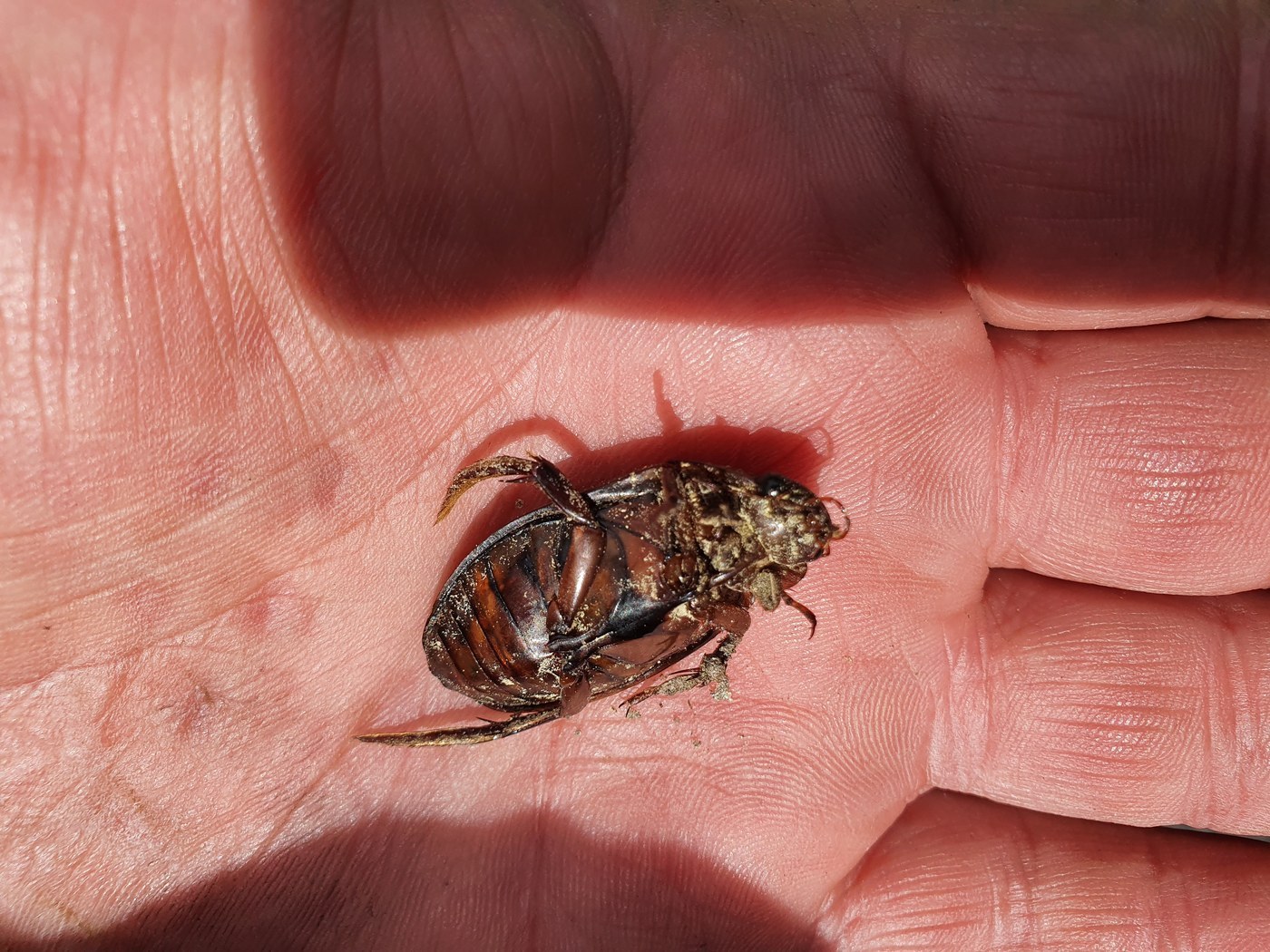
Key Visual Features
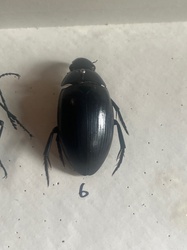
- Body shape: Smooth, oval, and strongly streamlined with a flattened, boat-like profile that minimizes drag underwater; sizes range from under 1/2 inch to over 1.5 inches depending on species.
- Color: Typically dark brown, black, or olive-green, often with a glossy sheen and sometimes subtle yellowish edging along the margins of the body.
- Legs: The hind legs are long, flattened, and fringed with fine hairs, used together in powerful, synchronized strokes to propel the beetle through water; front legs are shorter and used for grasping.
- Wings: Hardened wing covers (elytra) fit tightly over the abdomen, helping the beetle trap an air bubble for use while submerged.
- Head and antennae: Streamlined head with short, thread-like antennae held close to reduce water resistance while swimming.
- Underside: Smoothly rounded and often lighter in color than the back, aiding in a hydrodynamic profile.
Where and When You'd See One
Diving beetles inhabit ponds, slow streams, marshes, and other calm freshwater bodies with plenty of submerged vegetation. They are active year-round in many regions but are most commonly observed swimming in warmer months, often near the surface where they periodically emerge tail-first to collect air before diving back down. Adults are also capable fliers and may travel between water bodies at night, sometimes appearing near outdoor lights.
Similar-Looking Creatures
- Water scavenger beetles: Similar overall shape but swim with alternating leg strokes rather than the diving beetle's synchronized paddling, and typically have shorter, clubbed antennae versus the diving beetle's thread-like antennae.
- Whirligig beetles: Smaller and known for rapid spinning on the water's surface rather than sustained underwater swimming.
- Water beetles (general): A broad category that overlaps closely with diving beetles; look for the powerful, simultaneous hind-leg strokes as a distinguishing trait of true diving beetles.
- Aquatic true bugs (e.g., backswimmers, water boatmen): Lack hardened wing covers and have a more angular or triangular body shape compared to the smooth oval of a diving beetle.
Quick ID Checklist
- Smooth, oval, streamlined body, usually dark brown, black, or olive-green.
- Long, flattened, hair-fringed hind legs used in synchronized swimming strokes.
- Hardened wing covers trapping an air bubble for underwater use.
- Found in ponds, streams, and marshes with submerged vegetation.
- Surfaces periodically tail-first to collect air before diving again.
Frequently asked questions
How can I tell a diving beetle from a water scavenger beetle?
Diving beetles swim by kicking both hind legs together in a powerful synchronized stroke, while water scavenger beetles alternate their leg movements; diving beetles also have thread-like antennae compared to the shorter, clubbed antennae of water scavenger beetles.
Why do diving beetles surface tail-first?
They rise to the surface tail-first to position the tip of their abdomen at the waterline, allowing them to collect an air bubble beneath their wing covers before diving back underwater.
What body shape should I look for to identify a diving beetle?
Look for a smooth, oval, strongly streamlined, boat-like body that is flattened for reduced drag, which distinguishes it from bulkier or more angular aquatic insects.
Are diving beetles able to fly?
Yes, adult diving beetles are capable fliers and sometimes travel between ponds at night, occasionally being drawn to outdoor lighting near water sources.
Diving Beetle identified by the community
Recent Diving Beetle finds identified with Bug Identifier.