
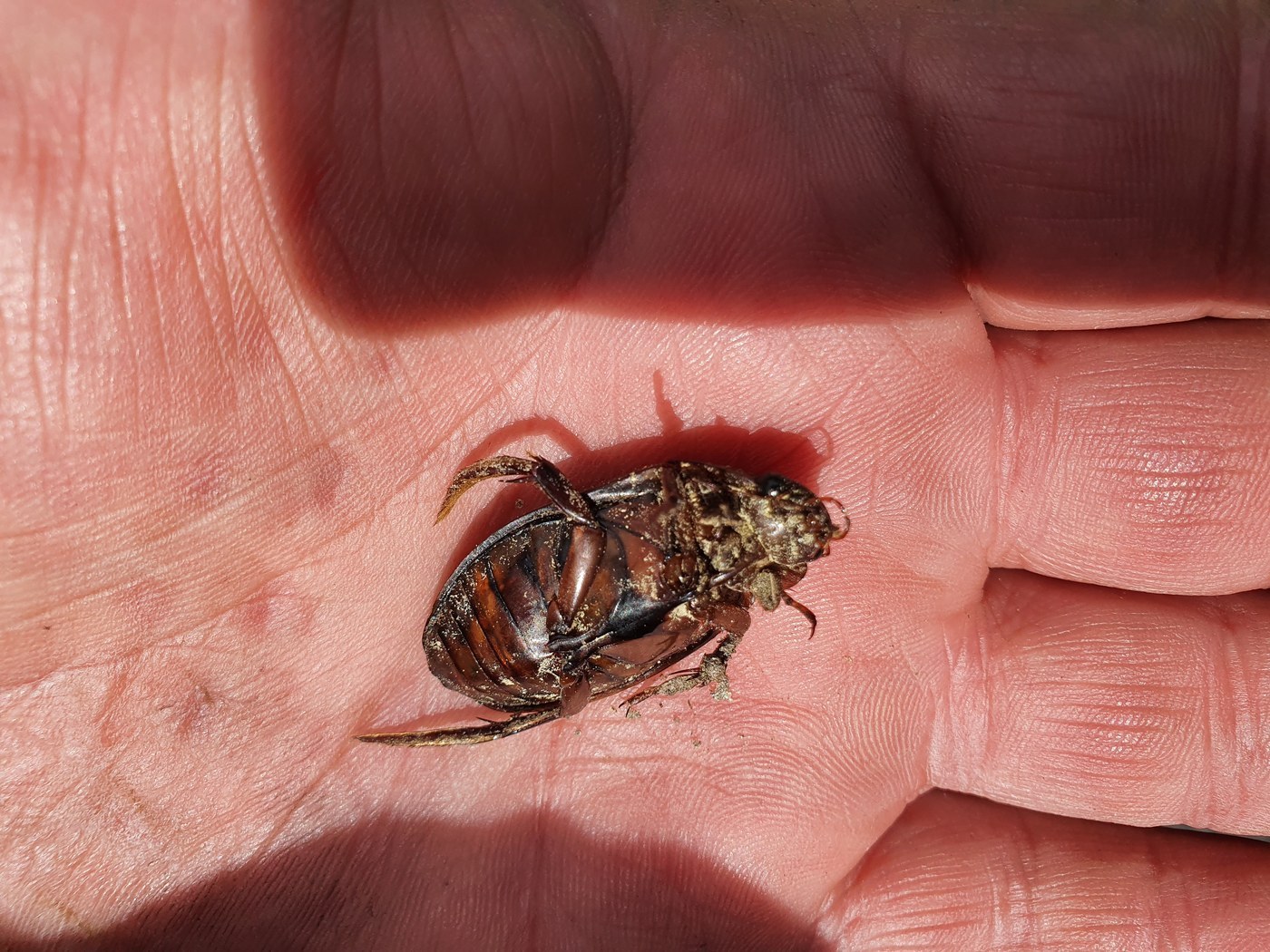
Diving Beetle
Dytiscus marginalis
A smooth, streamlined, dark-bodied beetle with broad, fringed hind legs built for swimming, an active underwater predator that carries its own air supply beneath its wing covers.
- Size
- 10–35 mm
- Habitat
- Ponds, lakes, slow-moving fresh water
- Danger
- Bites
Spotted a bug like this?
Identify any bug or insect from a photo, free.
Overview
Diving beetles make up the family Dytiscidae, order Coleoptera, one of the largest families of aquatic beetles, with the European species Dytiscus marginalis, the great diving beetle, among the best studied representatives. These beetles are powerful, fully aquatic predators as both larvae and adults.
Streamlined and smooth-bodied, diving beetles are well adapted for an active predatory lifestyle underwater, using broad, fringed hind legs as paddles to pursue prey through ponds and other still or slow-moving freshwater habitats.
As voracious predators at multiple levels of the aquatic food web, diving beetles are ecologically significant in freshwater habitats and are frequently studied examples of insect adaptation to an aquatic, predatory way of life.
How to Identify
- Smooth, streamlined, oval body, typically 10–35 mm long depending on species
- Coloring usually dark brown, black, or olive, sometimes with pale yellow or greenish margins along the body edges
- Broad, flattened, oar-like hind legs fringed with fine hairs, used for swimming
- Hard, glossy wing covers (elytra) that meet in a straight line down the back
- Distinguished from water scavenger beetles by longer, thread-like antennae and a smoother, more torpedo-shaped body suited to fast swimming
Habitat & Range
Diving beetles are found in ponds, lakes, marshes, and slow-moving streams across nearly every continent, favoring habitats with abundant aquatic vegetation that offers shelter and hunting grounds. They are active year-round in mild climates and seasonally, from spring through fall, in temperate regions.
Adults are capable fliers and can disperse between bodies of water, particularly at night, when they are sometimes drawn to artificial lights near ponds and pools.
Behavior & Diet
Diving beetles are active, agile predators, using their paddle-like hind legs to pursue and capture other aquatic insects, small crustaceans, tadpoles, and small fish. Both larvae and adults are predatory, making the species significant predators within pond and marsh food webs.
Adults carry a bubble of air beneath their wing covers to breathe underwater, periodically surfacing tail-first to replenish it before diving again. When handled, diving beetles can pinch or bite in defense with their strong mandibles, and within the ecosystem they serve as both a major invertebrate predator and prey for larger animals such as fish, birds, and amphibians.
Life Cycle
Diving beetles undergo complete metamorphosis. Females lay eggs on or within the stems of aquatic plants, and the hatched larvae, sometimes called water tigers, are elongated, active predators equipped with large, sickle-shaped mandibles used to capture and pierce prey.
Larvae molt through several instars while hunting underwater before leaving the water to pupate in a chamber dug into damp soil near the shoreline. Adults emerge and return to the water, generally completing one generation per year in temperate climates, with adults often overwintering in mud or beneath ice-covered water.
Frequently asked questions
What do diving beetles eat?
Both larvae and adults are predatory, feeding on other aquatic insects, small crustaceans, tadpoles, and occasionally small fish.
How do diving beetles breathe underwater?
Adults carry a bubble of air beneath their wing covers and periodically surface tail-first to replenish it before diving again.
How can you tell a diving beetle from a water scavenger beetle?
Diving beetles have long, thread-like antennae and a smooth, torpedo-shaped body built for speed, while water scavenger beetles have shorter antennae and a keel-like spine on the underside of the thorax.
What are the larvae of diving beetles called?
They are often called water tigers, named for their active predatory behavior and large, sickle-shaped mandibles.
Diving Beetle guides
In-depth guides for identifying, understanding, and living alongside Diving Beetle.
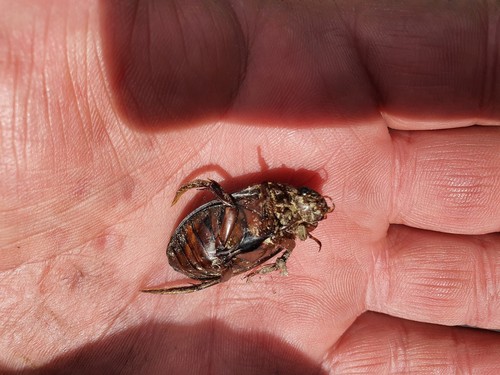
Diving Beetle identified by the community
Real finds identified with Bug Identifier.
Other bugs you may enjoy
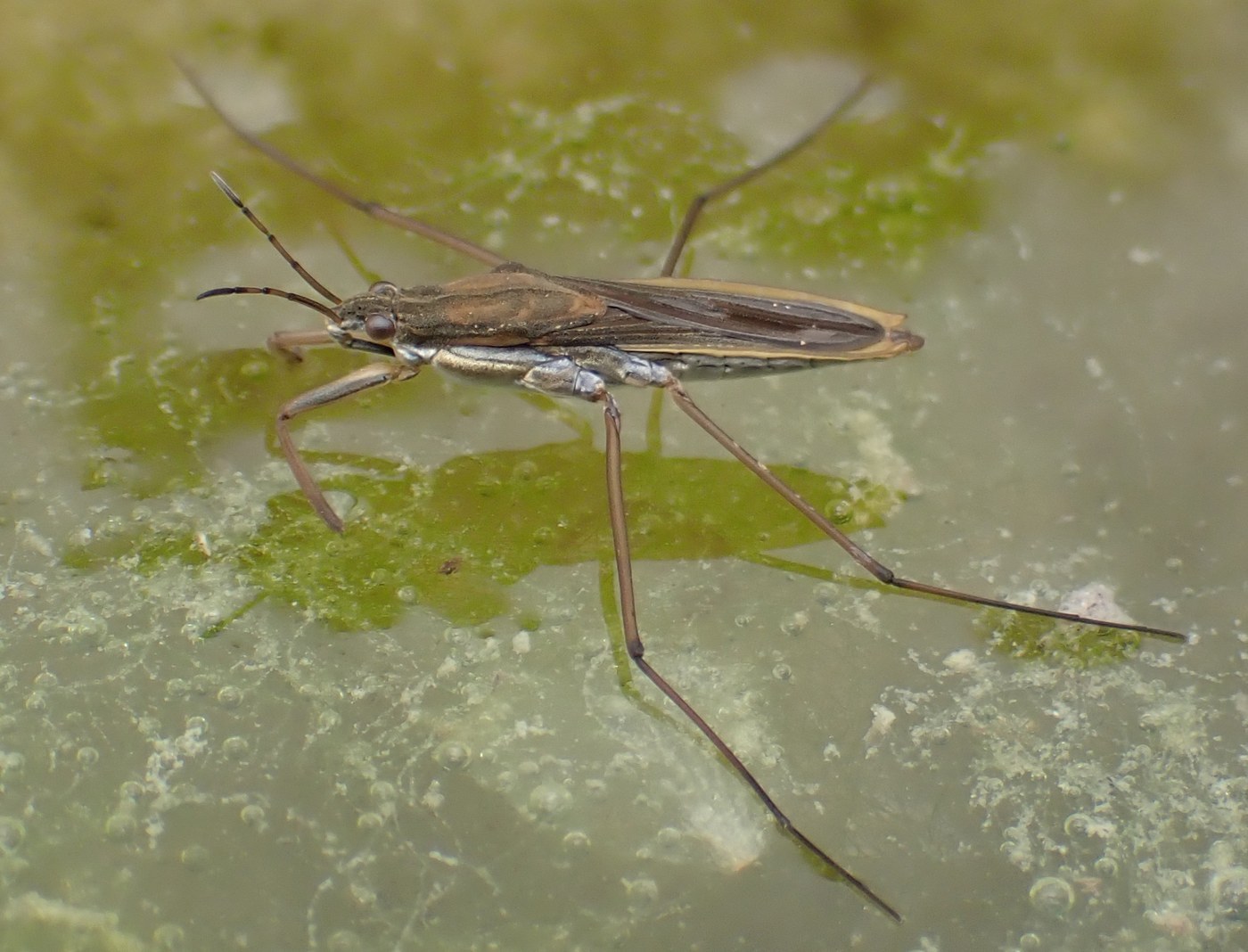
Water Strider
Still or slow-moving fresh water: ponds, lake edges, slow streams, puddles
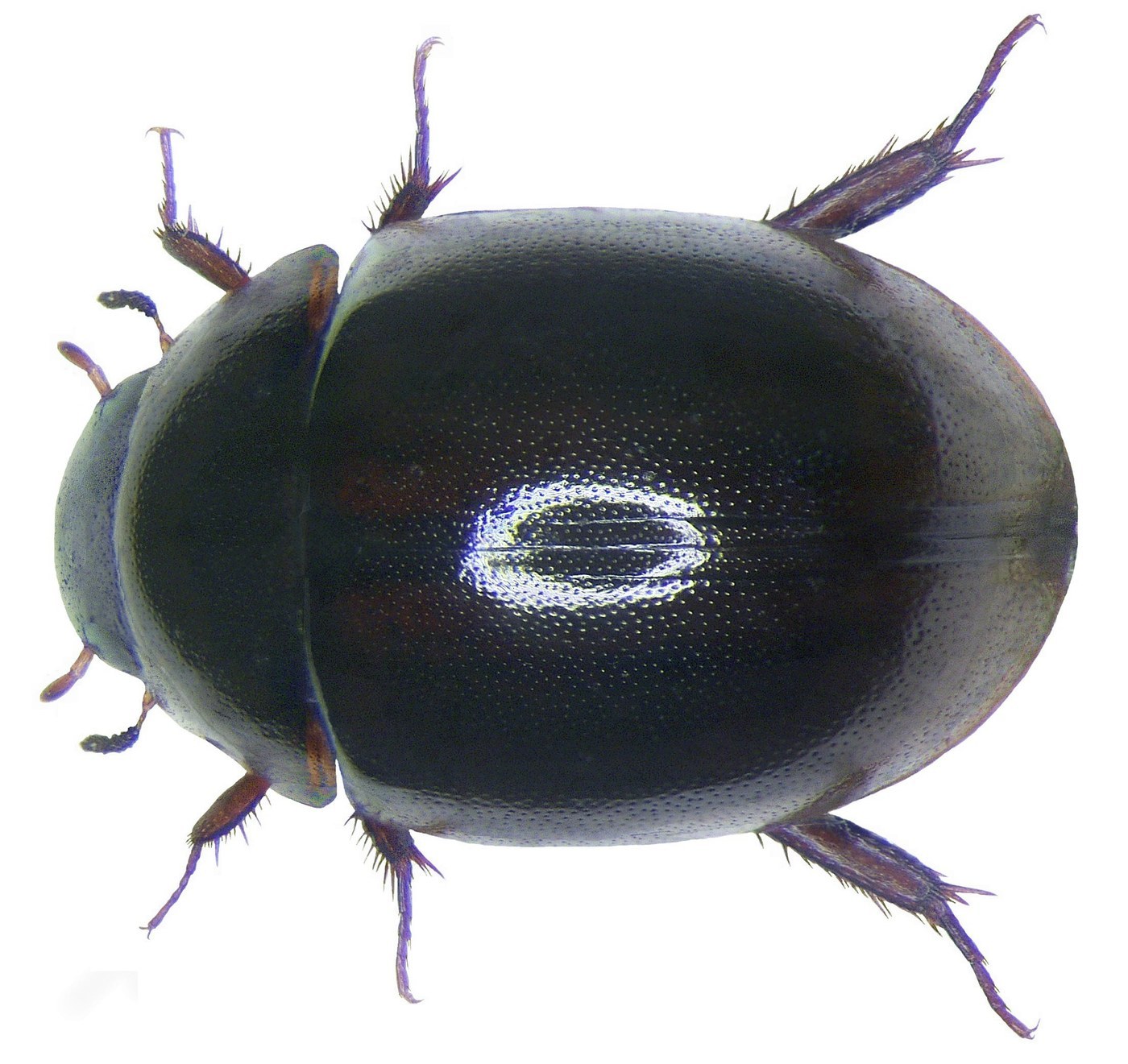
Water Beetle
Ponds, slow streams, marshes, still fresh water
Water Penny Beetle
Fast, rocky, well-oxygenated streams
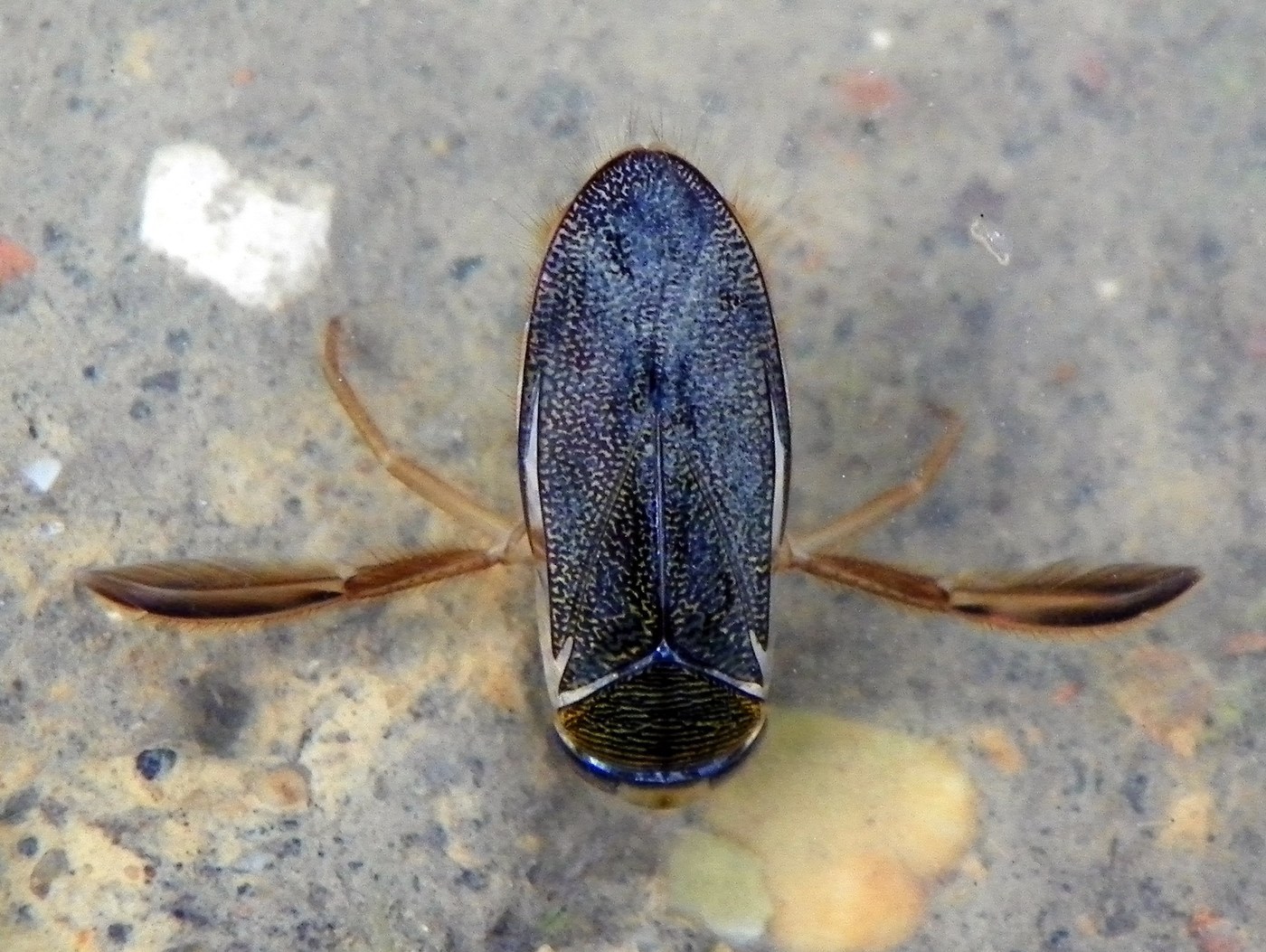
Water Boatman
Ponds, lakes, slow streams, freshwater with vegetation
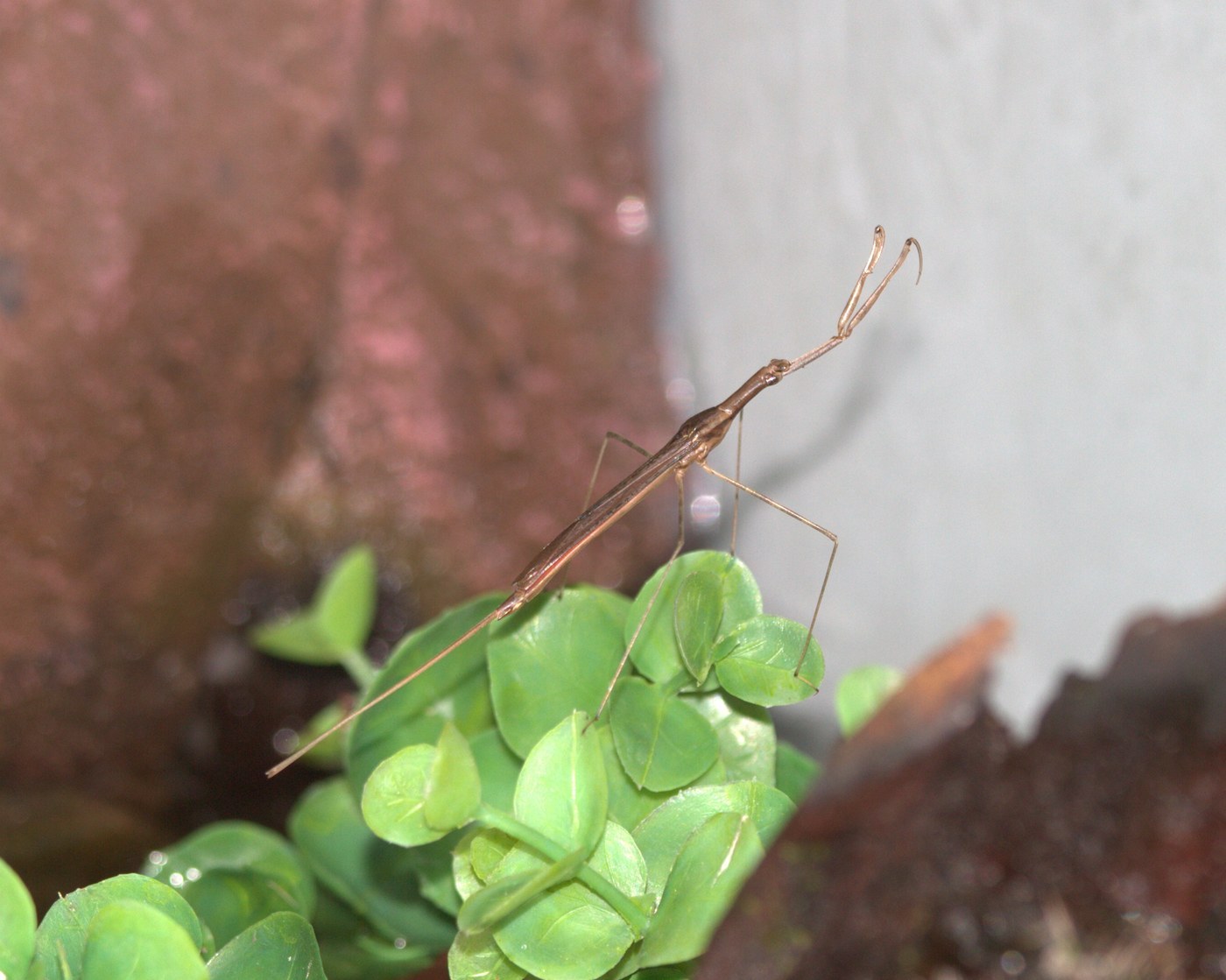
Water Scorpion
Still or slow-moving water with submerged vegetation
Stonefly
Cold, clean, well-oxygenated streams and rivers
Stonefly Nymph
Cold, fast-flowing, well-oxygenated streams
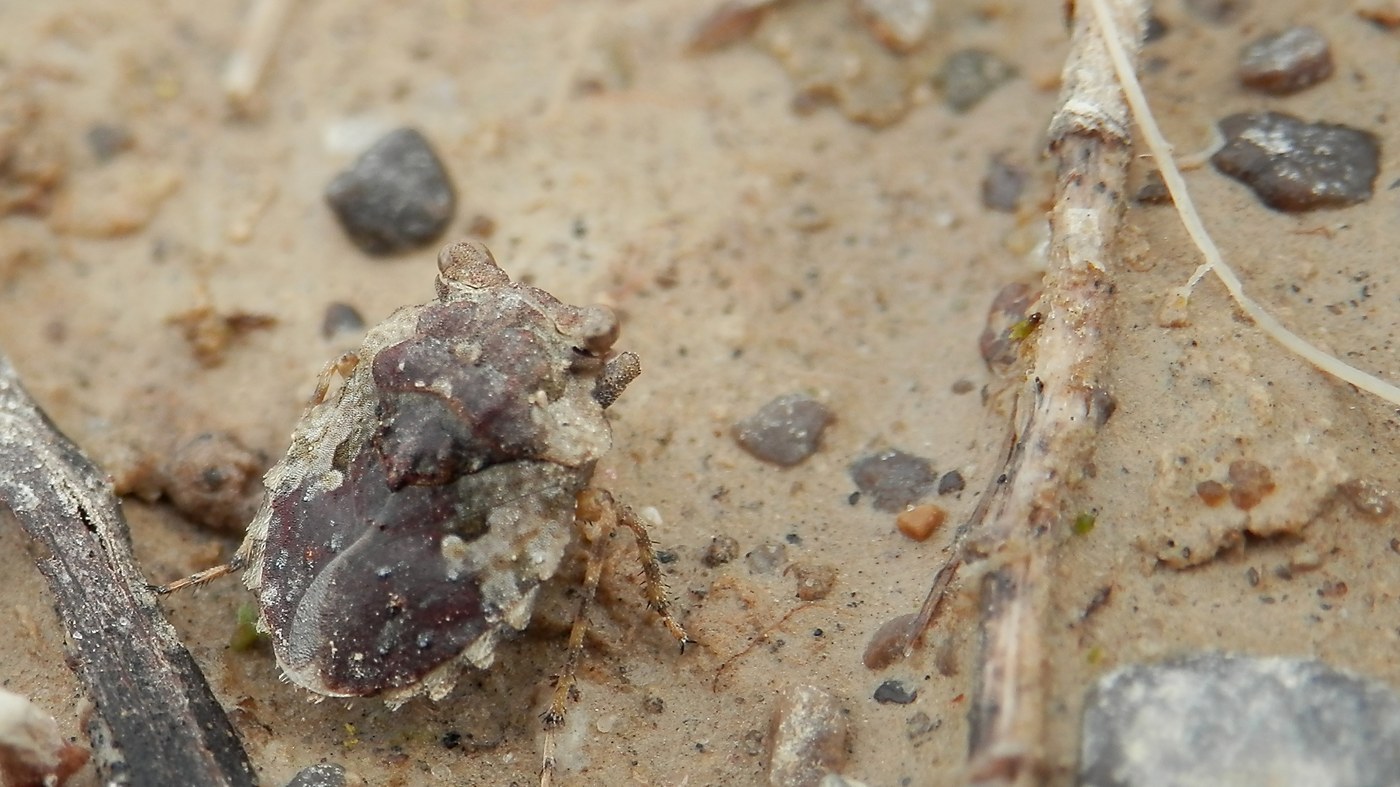
Toad Bug
Muddy or sandy shorelines of ponds, streams, and rivers
Soldier Fly Larva
Ponds, marshes, and slow streams with organic sediment
Mosquito Larva
Standing water in ponds, ditches, containers, and puddles
Whirligig Beetle
Surface of ponds, lakes, and slow streams
Rat-Tailed Maggot
Stagnant, oxygen-poor water such as manure pools, drains, and compost